

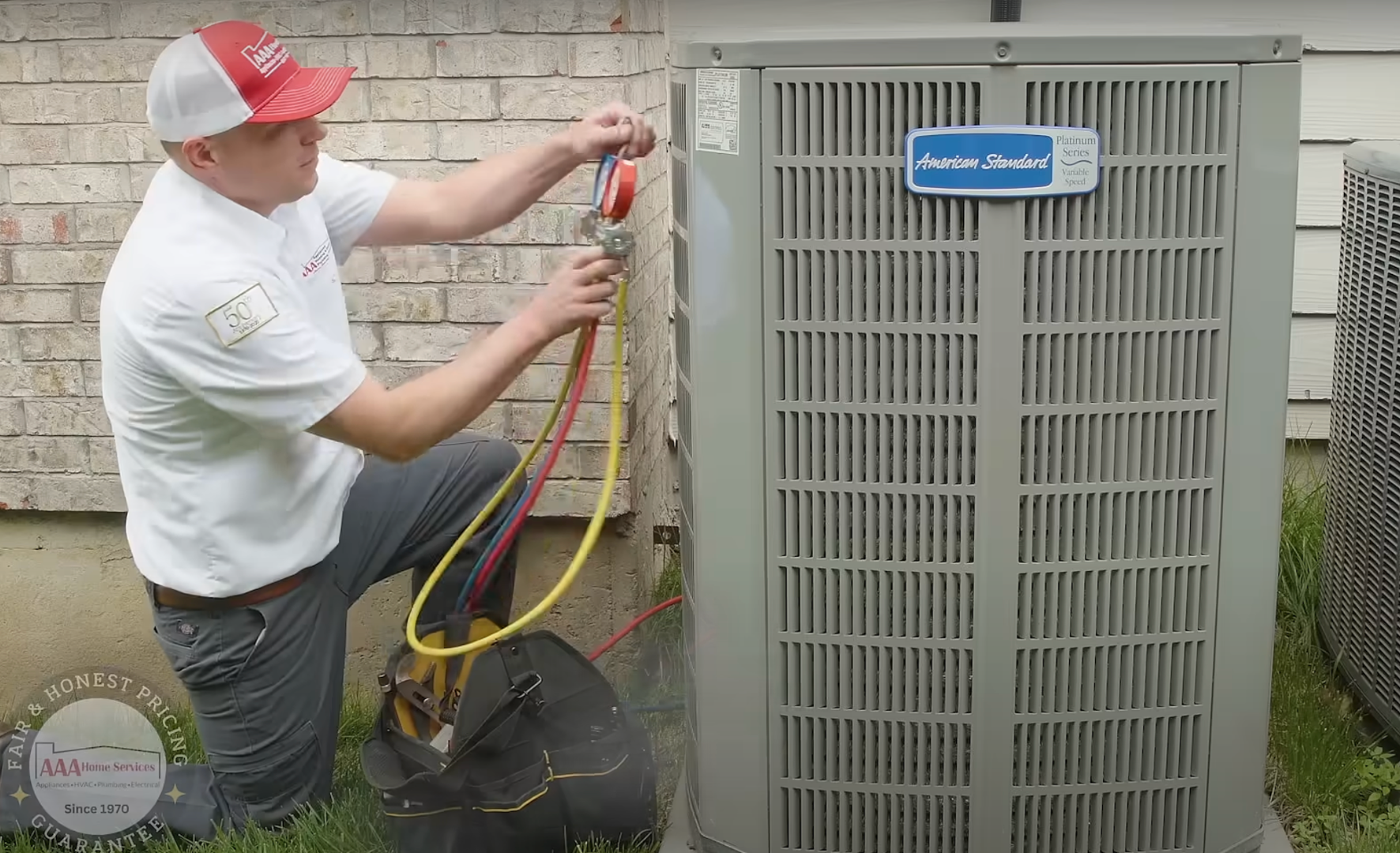
A power surge lasts a fraction of a second. In that time, it can damage or destroy HVAC systems, refrigerators, dishwashers, televisions, computers, smart home devices, and any other appliance connected to your electrical system. Modern homes are more vulnerable than ever — today's appliances and electronics use sensitive circuit boards that can't tolerate voltage spikes the way older analog devices could.
For Lake St. Louis homeowners, whole-home surge protection is one of the most cost-effective electrical investments available. Here's how it works, what it costs, and whether it's worth it for your situation.
What Is a Whole-Home Surge Protector?
A whole-home surge protector — also called a surge protection device (SPD) — installs at your electrical panel. When a voltage spike hits your home's electrical system, the SPD absorbs or diverts the excess energy before it reaches your outlets and the devices plugged into them.
This is fundamentally different from a power strip surge protector. A point-of-use surge protector at an outlet provides some protection for devices plugged into that strip, but it does nothing for your HVAC system, hardwired appliances, or devices on other circuits. A whole-home SPD protects everything on every circuit simultaneously.
Where Do Surges Come From?
Lightning strikes are the dramatic cause, but most power surges come from everyday sources:
- Utility switching — when your power company switches circuits during grid management
- Large appliance cycling — your HVAC, refrigerator, or well pump cycling on and off creates small surges on your internal circuits
- Downed power lines — weather events that disrupt the grid can send voltage spikes into homes
- Lightning nearby — a strike doesn't have to hit your home directly to send a surge through your lines
The cumulative damage from small, repeated surges is often more significant than a single large event. Internal appliance cycling slowly degrades electronics over time — you may never see a single dramatic failure, but your devices fail sooner than they should.
What Does a Whole-Home Surge Protector Cost?
A quality whole-home SPD typically runs $150–$400 for the unit, plus installation. Total installed cost in Lake St. Louis runs $300–$700 depending on the panel, the SPD model, and any additional work required. Some homeowner's insurance policies offer discounts for whole-home surge protection — worth checking with your insurer.
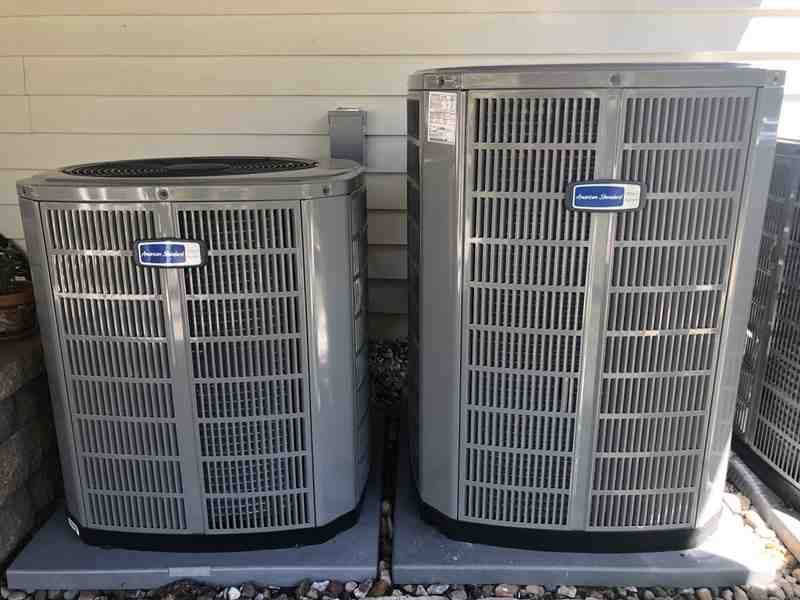
Consider that a single HVAC system replacement costs $5,000–$12,000. A refrigerator runs $1,000–$3,000. A whole-home SPD that prevents one major appliance failure pays for itself many times over. The math is straightforward.
Installation by a Licensed Electrician
Whole-home surge protectors must be installed at the electrical panel by a licensed electrician. This is not a DIY project — working inside a panel involves live components. Our electrical team handles SPD installation throughout Lake St. Louis and St. Charles County. Our technicians do not work on commission — you get a straight quote on what the installation actually requires. Many home service companies push add-ons that aren't necessary; we recommend what makes sense for your home's specific setup.
"After losing a refrigerator and a TV to a surge last year, we had AAA install a whole-home surge protector. Wish we'd done it sooner. The installation took about an hour and the tech explained exactly what it does and doesn't protect against. No hard sell, just the facts."
— Paul M., AAA Home Services Customer
FAQ
Do I still need power strip surge protectors if I have a whole-home SPD?
Whole-home SPDs handle large surges from the utility or lightning. A layered approach — whole-home SPD plus quality point-of-use protectors for sensitive electronics like computers and TVs — provides the most complete protection. Think of it as a belt-and-suspenders system.
How do I know if my whole-home SPD has been triggered?
Most SPDs have an indicator light or audible alarm that activates when the unit absorbs a significant surge. After a storm or a known surge event, check the unit at your panel. Some units have sacrificial components that need replacement after a large event.
Can I install a whole-home surge protector myself?
No. Installation requires working inside the electrical panel, which involves live components even with the main breaker off. A licensed electrician is required — both for safety and for the work to be permitted and legal.
Does a whole-home SPD protect against a direct lightning strike?
A direct lightning strike to your home delivers an enormous amount of energy — no SPD completely eliminates damage from a direct strike. What an SPD does is protect against indirect strikes and the surges that travel through utility lines. Direct strike protection requires additional measures like lightning rods and grounding systems.
How long does a whole-home surge protector last?
Most units have a service life of 5–10 years under normal conditions. Units that absorb a significant surge may have their protection capacity reduced — check the indicator light and replace the unit if it shows it's been compromised.
Call to Action
Ready to protect your Lake St. Louis home's appliances and electronics from power surges? AAA Home Services provides licensed surge protection installation throughout St. Charles County with upfront pricing and honest recommendations.