

Pollution Solution: Simple Steps to Improve Your Indoor Air
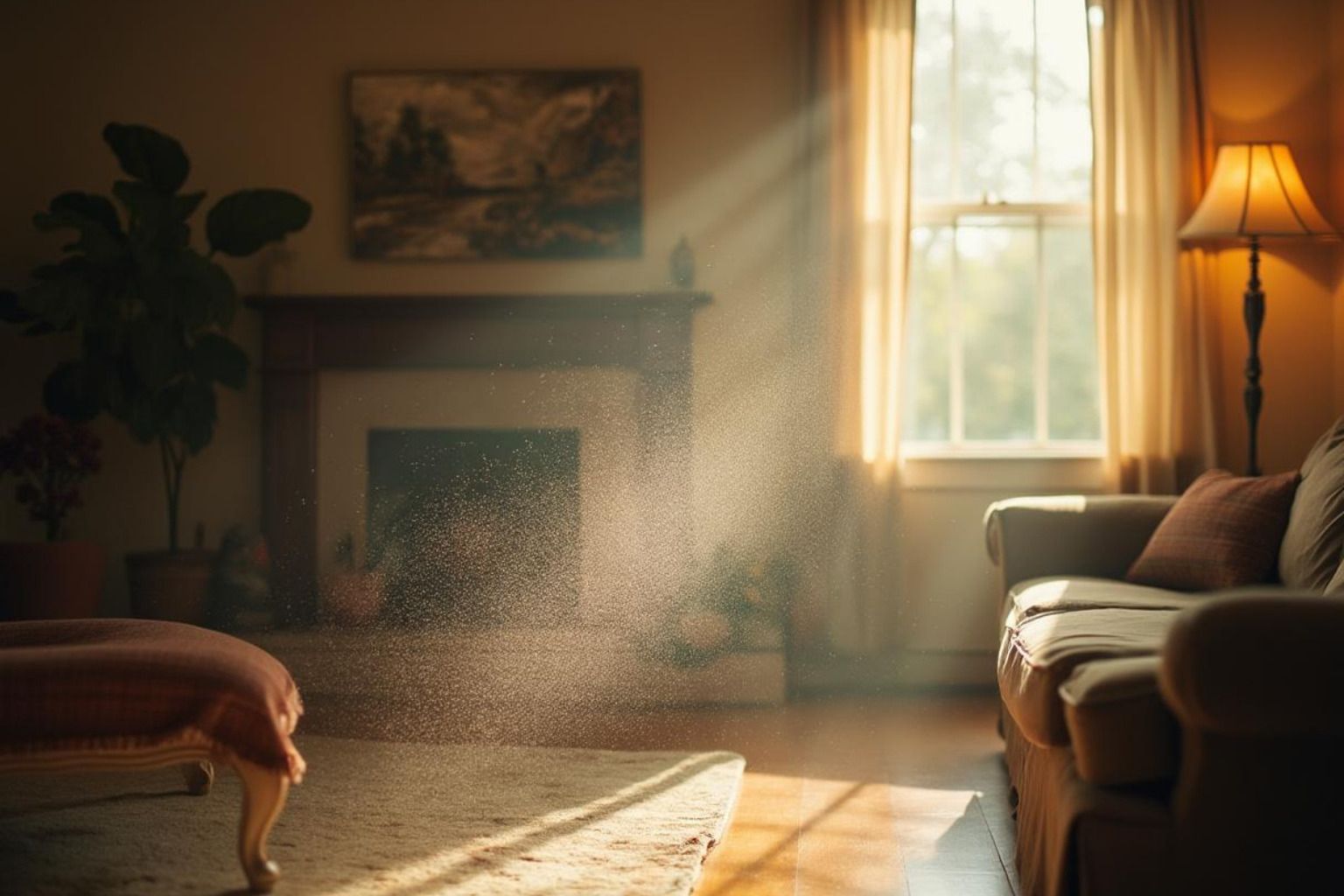
Why Indoor Air Quality Matters More Than You Think
Control of indoor air pollution is essential for protecting your family’s health, especially since Americans spend 90% of their time indoors where air can be 2-5 times more polluted than outdoor air. The good news? You can dramatically improve your home’s air quality using three proven strategies:
Quick Action Steps:
- Source Control – Eliminate pollutants at their source (smoking, VOCs, mold)
- Ventilation – Increase fresh air exchange with exhaust fans and windows
- Air Cleaning – Use HEPA filters and air purifiers to capture remaining particles
Most homeowners don’t realize that cooking fumes, cleaning chemicals, furniture off-gassing, and poor ventilation create a cocktail of pollutants that can trigger headaches, respiratory issues, and long-term health problems. The EPA estimates that indoor air pollution contributes to thousands of deaths annually, with children and elderly residents facing the highest risks.
But here’s what’s encouraging: unlike outdoor air pollution, you have direct control over your indoor environment. Simple changes like upgrading to MERV-13 filters, running kitchen exhaust fans, and choosing low-VOC products can reduce indoor pollutants by up to 60%.
I’m Dan Walsh, and through years of managing home repair services and working with technicians on indoor air quality solutions, I’ve seen how proper control of indoor air pollution transforms families’ health and comfort. Let me walk you through the practical steps that make the biggest difference in your home’s air quality.
Why Indoor Air Quality Deserves Your Attention
You might be surprised to learn that your home’s air can harbor invisible threats that are quietly affecting your family’s health every day. Understanding these pollutants and their sources is your first step toward effective control of indoor air pollution .
The most concerning indoor air pollutants include PM2.5 (fine particulate matter so small it penetrates deep into your lungs), nitrogen dioxide (NO₂) from gas appliances, carbon monoxide (CO) from combustion sources, volatile organic compounds (VOCs) from household products, and radon seeping up from the ground. These pollutants create what experts call sick building syndrome —when your home literally makes you sick.
Children, elderly family members, and anyone with asthma face the highest risks because their respiratory systems are more sensitive to these airborne contaminants. If you’ve noticed that certain family members seem to get sick more often at home, poor indoor air quality could be the culprit.
The Hidden Health Toll
Poor indoor air quality doesn’t just cause stuffy noses—it can seriously impact your family’s long-term health in ways you might not expect. The effects range from annoying daily symptoms to serious health conditions that develop over time.
Immediate symptoms that many families experience include frequent coughing and sneezing, persistent headaches and fatigue, throat and eye irritation, difficulty breathing, and unexplained skin irritation. If these symptoms improve when you leave the house, your indoor air quality likely needs attention.
Long-term exposure to indoor air pollutants can lead to much more serious health problems. Research shows connections to respiratory disease , reduced lung capacity, increased asthma attacks, cardiovascular risk , and even cognitive decline . Studies indicate that CO₂ levels above 1,000 ppm can reduce cognitive performance by 12%, while levels at 2,500 ppm can decrease it by 51%.
This is why maintaining proper ventilation isn’t just about comfort—it’s about keeping your family’s minds sharp and bodies healthy. When you invest in control of indoor air pollution , you’re investing in your family’s immediate comfort and long-term wellbeing.
Where Pollutants Come From Indoors
Indoor air pollution comes from numerous sources throughout your home, and understanding these sources helps you tackle the problem effectively.
Cooking fumes are among the biggest culprits. Gas stoves release nitrogen dioxide and particulate matter every time you cook, while wood-burning fireplaces produce smoke and fine particles. Even seemingly harmless candles and incense emit soot and chemicals that accumulate in your home’s air.
Cleaning chemicals and household products are another major source. Most conventional cleaners release volatile organic compounds, while air fresheners and scented products add synthetic fragrances that can trigger respiratory issues. Paints and adhesives continue off-gassing formaldehyde and other VOCs long after application.
Your home’s materials and furnishings contribute to the problem too. Carpets trap dust mites, pet dander, and mold spores, while pressed wood furniture releases formaldehyde for months after installation. New materials continue off-gassing chemicals well into their first year in your home.
Damp basements and poorly ventilated bathrooms become breeding grounds for mold, while pets contribute dander and allergens. Even dust mites in bedding and upholstery add to the pollutant load.
Don’t forget about outdoor infiltration —traffic emissions, pollen, and second-hand smoke from neighboring properties can enter through windows, cracks, and your HVAC system. This is why effective control of indoor air pollution requires a comprehensive approach that addresses all these sources.
Scientific research on indoor air health risks confirms that addressing these pollutant sources can dramatically improve your family’s health and quality of life.
Three-Pillar Strategy for the Control of Indoor Air Pollution
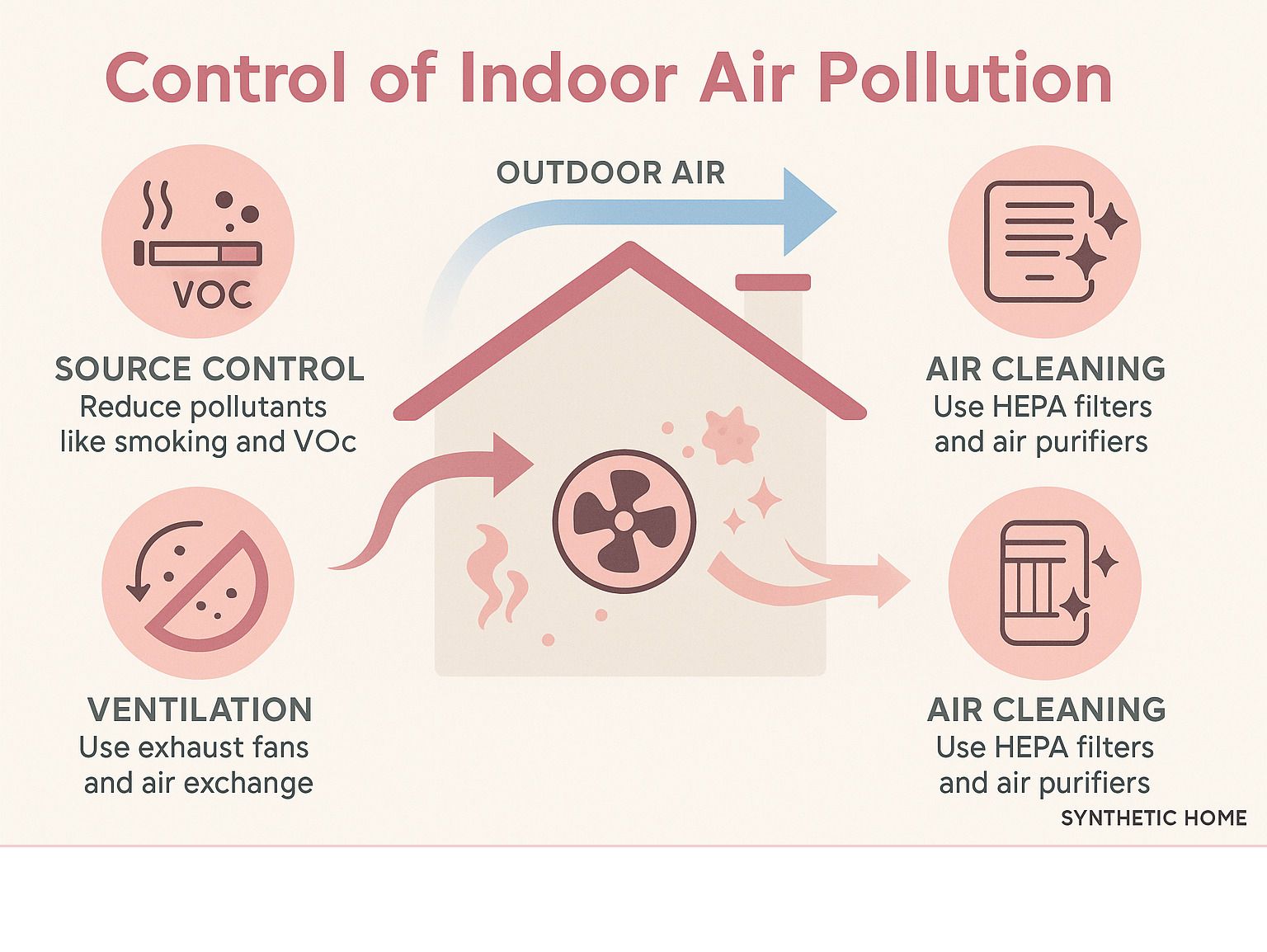
When it comes to control of indoor air pollution , the most effective approach isn’t about buying the most expensive equipment or trying every gadget on the market. Instead, it’s about following a proven three-pillar strategy that tackles pollutants systematically: source control, ventilation, and air cleaning.
Think of it like dealing with a leaky bucket. You could keep adding water (air purifiers), but wouldn’t it make more sense to first patch the holes (source control) and then drain out what’s left (ventilation)? That’s exactly how indoor air quality professionals approach the problem, and it’s the same strategy recommended by the EPA and American Lung Association.
This comprehensive approach works because each pillar addresses different aspects of indoor pollution. Source control eliminates pollutants before they spread, ventilation dilutes and removes contaminated air, and air cleaning captures what remains. Together, they create a powerful defense system for your family’s health.
Source Control—First Line of Defense for the Control of Indoor Air Pollution
Source control is hands-down the most cost-effective way to improve your home’s air quality. Instead of constantly fighting pollutants after they’ve spread throughout your house, you’re stopping them at their source. It’s like turning off a faucet instead of mopping up water all day long.
Eliminating smoking indoors is the single most important step you can take. Environmental tobacco smoke contains over 7,000 chemicals, with at least 70 known to cause cancer. Even if you think you’re being careful by smoking near a window, those toxins linger in fabrics, carpets, and walls for months. A strict no-smoking policy inside your home protects everyone, especially children whose developing lungs are particularly vulnerable.
When you’re renovating or buying new furniture, choosing low-emission products makes a huge difference. Look for low-VOC or zero-VOC paints and finishes, formaldehyde-free furniture , and CRI Green Label Plus certified carpets . These products cost about the same as conventional options but release far fewer harmful chemicals into your air.
Minimizing chemical use doesn’t mean living with a dirty house. Simple alternatives like vinegar, baking soda, and essential oils can handle most cleaning tasks without filling your air with harsh fumes. Skip the air fresheners, scented candles, and plug-in fragrances—they’re just masking odors with more chemicals instead of solving the problem.
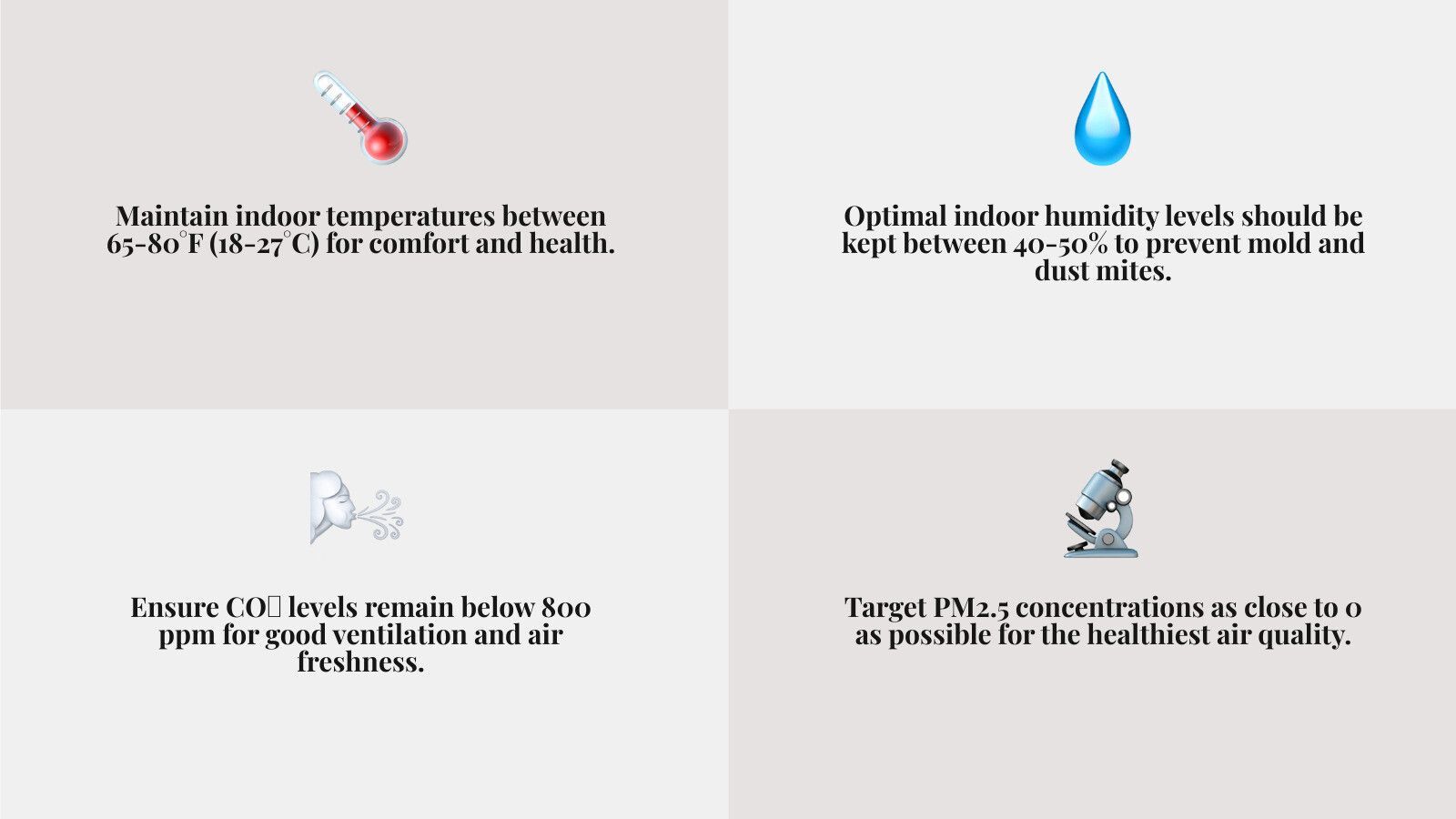
Controlling moisture is critical for preventing mold growth, which can trigger serious respiratory problems. Keep indoor humidity between 40-50% using dehumidifiers or humidifiers as needed. Fix leaks promptly, and if you suspect mold in your HVAC system, professional Air Duct Cleaning can remove contaminants and improve your system’s efficiency.
Ventilation—Dilute and Disperse for the Control of Indoor Air Pollution
Good ventilation brings fresh outdoor air inside while pushing stale, polluted air out. This dilutes indoor contaminants and helps maintain healthy CO₂ levels below 800 ppm. Without proper ventilation, even homes with excellent source control can develop stuffy, unhealthy air.
Kitchen ventilation is especially important since cooking produces significant amounts of particulate matter and nitrogen dioxide, particularly from gas stoves. Your range hood should vent outdoors, not just recirculate air through a filter. Calculate the required CFM (cubic feet per minute) by dividing your kitchen’s volume by 12 for about 5 air changes per hour. Always run the exhaust fan on high when cooking and for 15 minutes afterward to clear lingering pollutants.
Bathroom ventilation prevents moisture buildup that leads to mold growth. Use exhaust fans during and after showers, and if your bathroom doesn’t have adequate ventilation, consider having a professional install one. The investment pays off in preventing costly mold remediation later.
For homes that are tightly sealed for energy efficiency, Energy Recovery Ventilators (ERVs) provide controlled fresh air exchange while recovering heat and humidity from outgoing air. These systems are particularly valuable during extreme weather when opening windows isn’t practical.
Natural ventilation strategies work well when outdoor air quality is good and weather permits. Try the “window-fan trick”—place a fan in a window pointing outward to exhaust indoor air while opening another window on the opposite side of your home to draw in fresh air. This creates a cross-breeze that effectively flushes out indoor pollutants.
For detailed ventilation standards and guidelines, the EPA’s Indoor Air Quality Guide provides comprehensive information on proper ventilation rates for different spaces.
Air Cleaning—Capture What Remains
After you’ve controlled sources and improved ventilation, air cleaning provides the final layer of protection by capturing airborne particles and some gaseous pollutants. This is where many homeowners start, but it’s actually most effective as the third step in your indoor air quality strategy.
HVAC filter upgrades are often the easiest first step. Replace standard fiberglass filters with MERV-13 or higher rated filters if your system can handle them. These filters capture much smaller particles including dust, pollen, and some bacteria. However, check with an HVAC professional first—some older systems can’t handle the increased airflow resistance of higher-efficiency filters.
Portable air purifiers work well for specific rooms or problem areas. Choose HEPA-certified units that remove 99.97% of particles 0.3 microns or larger. Look for CARB-certified purifiers to ensure they don’t produce harmful ozone. Size the unit appropriately by dividing your room’s square footage by 1.55 to determine the required CADR (Clean Air Delivery Rate).
For budget-conscious homeowners, a DIY box fan filter can provide significant particle reduction at a fraction of the cost of commercial units. Simply strap a MERV-13 filter to a box fan. While not as efficient as purpose-built air purifiers, this simple solution can meaningfully improve air quality in bedrooms or other frequently used spaces.
| Filter Type | Efficiency | Best For | Maintenance |
|---|---|---|---|
| HEPA | 99.97% of particles ≥0.3μm | Allergens, fine dust, smoke | Replace every 6-12 months |
| MERV-13 | 85% of particles 0.3-1.0μm | General indoor air quality | Replace every 3 months |
| Electrostatic | 80-110% depending on type | Washable option | Clean monthly |
The key to successful control of indoor air pollution is implementing all three pillars consistently. Source control prevents problems, ventilation maintains fresh air, and air cleaning captures what’s left. When working together, these strategies can reduce indoor pollutants by up to 60%, creating a healthier environment for your entire family.
Room-by-Room Action Plan
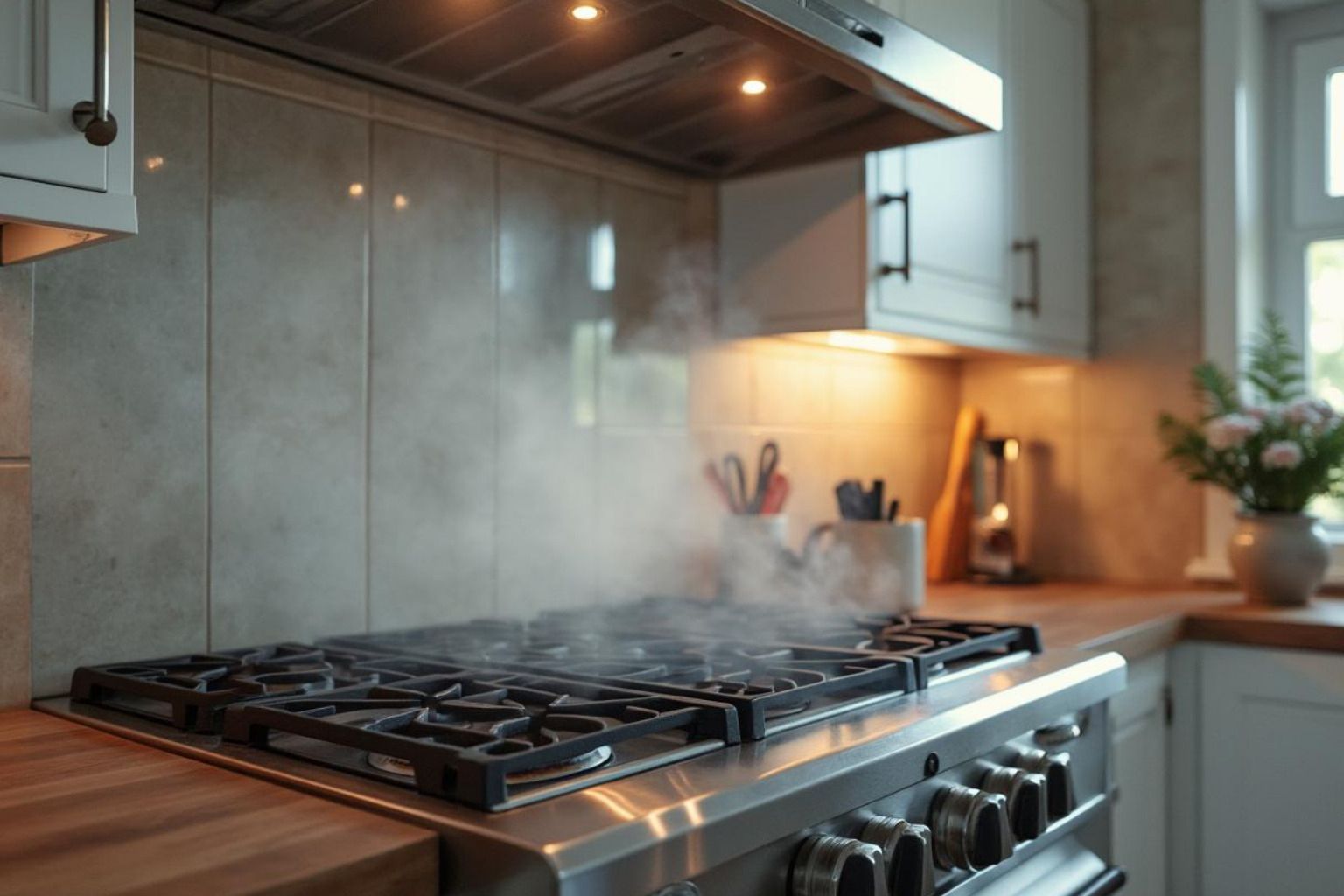
Every room in your home has its own air quality personality. The kitchen battles grease and combustion fumes, while bedrooms need to stay clean for restful sleep. Your basement might be fighting a moisture war, and the living room deals with dust and pet dander. Let’s tackle each space with targeted strategies that make a real difference.
Kitchen Hotspots
Your kitchen works overtime producing air pollutants. Every time you cook, you’re creating nitrogen dioxide from gas burners, particulate matter from searing meat, and volatile compounds from heating oils. It’s like having a small chemistry lab in your home—which is why proper ventilation isn’t optional.
Gas stoves demand respect when it comes to indoor air quality. They emit significantly more pollutants than electric models, releasing nitrogen dioxide that can irritate lungs and worsen asthma symptoms. If you’re planning a kitchen upgrade, electric induction cooktops offer better control of indoor air pollution while providing precise temperature control.
Your range hood is your best friend , but only if it actually vents outdoors. Those recirculating models that just filter and blow air back into your kitchen? They’re like trying to clean a muddy floor with a dirty mop. Calculate your kitchen’s volume and aim for about 5 air changes per hour to properly clear cooking fumes.
Grease filter maintenance keeps your range hood working effectively. Clean those filters monthly with hot, soapy water, and replace them when they start looking like they’ve seen too many bacon breakfasts. A clogged filter makes your hood work harder and removes fewer pollutants.
Never bring outdoor cooking indoors —that means no kerosene heaters, grills, or generators. These produce dangerous carbon monoxide levels that can be deadly in enclosed spaces.
Bedroom Breathers
Since you spend about a third of your life sleeping, your bedroom’s air quality directly impacts your health and rest quality. Poor bedroom air can leave you waking up stuffy, sneezing, or feeling like you didn’t really sleep at all.
Hypoallergenic bedding creates a barrier between you and dust mites, those microscopic creatures that love to munch on dead skin cells. Wash your sheets, pillowcases, and blankets weekly in water heated to at least 130°F—anything cooler is like giving dust mites a warm bath instead of evicting them.
Pet policies can be emotionally challenging but physically beneficial. While Fluffy might give the best cuddles, pet dander can trigger allergies and asthma attacks. If family members have respiratory issues, keeping pets out of bedrooms can significantly improve sleep quality and breathing.
Air purifier placement works best when the unit is properly sized for your room. A tiny purifier in a large master bedroom is like trying to cool a house with a desk fan. Run it on the highest setting you can tolerate for noise—many people find white noise actually helps them sleep better.
For homes where dry winter air causes morning stuffiness and static electricity, professional Aprilaire Humidifiers can maintain optimal humidity levels throughout your entire home.
Damp & Dark Areas
Basements, crawl spaces, and poorly ventilated areas are like five-star hotels for mold and mildew. These spaces often have higher humidity, less air circulation, and organic materials that mold loves to call home.
Basement dehumidification requires maintaining humidity below 50% year-round. A quality dehumidifier becomes essential equipment, not just a nice-to-have. Empty and clean the unit regularly—a moldy dehumidifier defeats its own purpose and can actually make air quality worse.
Mold inspection starts with your nose and eyes. That musty smell isn’t just “basement character”—it’s often the first sign of mold growth. Look for visible growth, water stains, and areas where humidity consistently feels high. Small spots might be manageable, but extensive mold problems require professional assessment and remediation.
Radon testing is particularly important if you have a basement or crawl space. This colorless, odorless gas seeps up from soil and can accumulate to dangerous levels. As the second leading cause of lung cancer, radon deserves serious attention. Professional radon mitigation systems can effectively reduce levels when testing shows liftd concentrations.
Relative humidity monitoring helps you stay ahead of moisture problems. Digital hygrometers are inexpensive and give you real-time feedback on whether your moisture control efforts are working. Consistent readings above 60% signal it’s time to investigate and address humidity sources before mold gets established.
Monitoring, Maintenance & Smart Tech
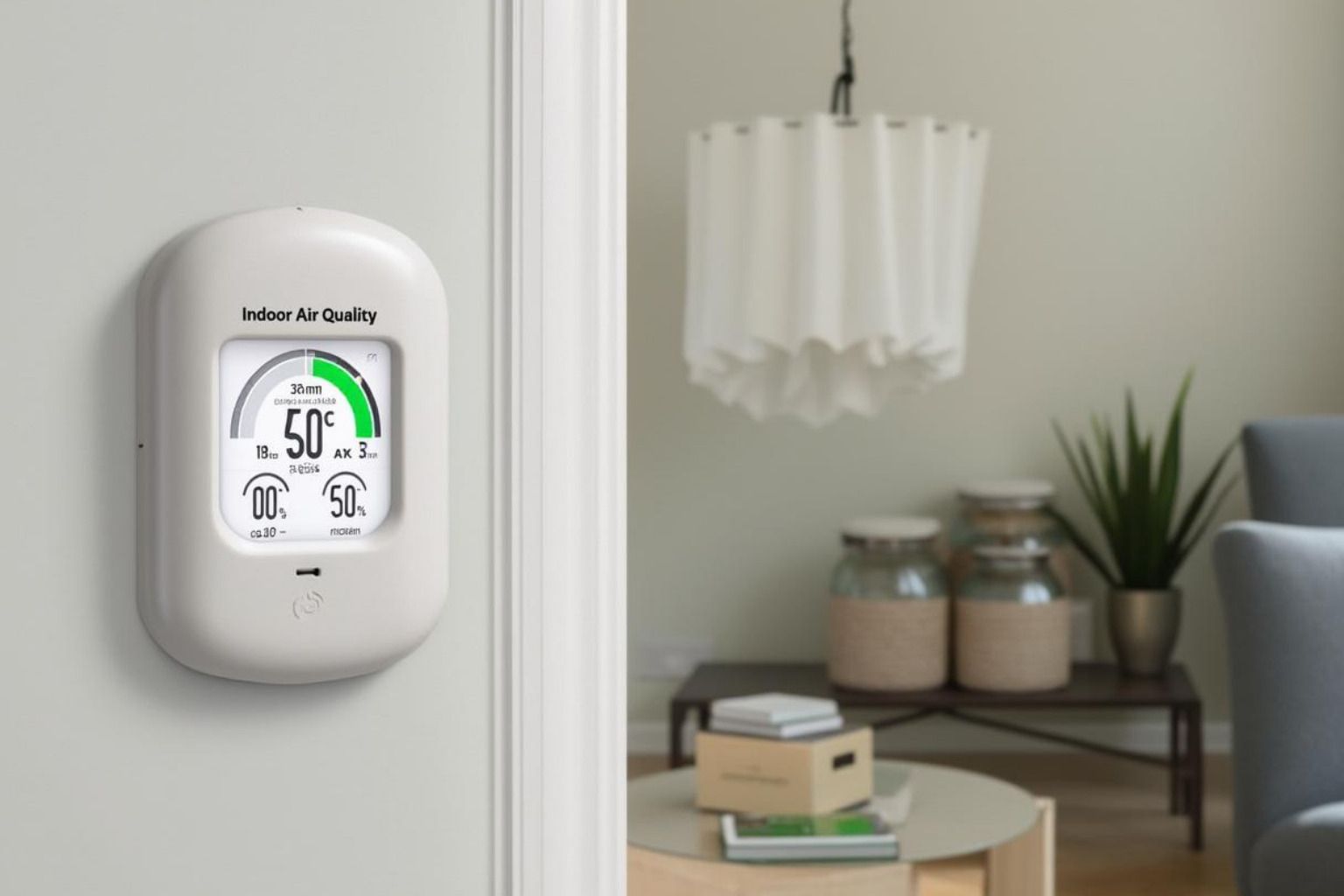
Think of monitoring your indoor air quality like checking the weather before you leave the house—it helps you make smart decisions about your family’s health. Effective control of indoor air pollution isn’t a “set it and forget it” approach. It requires ongoing attention and the right tools to keep your home’s air clean and healthy.
Indoor air quality monitors have become incredibly affordable and user-friendly. These devices track the stuff that matters most: PM2.5 particles, CO₂ levels, volatile organic compounds, and humidity. When you can see real-time readings, you’ll quickly notice patterns—like how CO₂ spikes during dinner parties or how humidity climbs on laundry day.
Carbon monoxide detectors aren’t just nice to have—they’re lifesavers. Install them on every level of your home, especially near bedrooms and any gas appliances. Test the batteries monthly (I like to do it when I pay my mortgage—easy to remember), and replace the entire detector every 7-10 years.
Your HVAC system is like the lungs of your home, and filter maintenance keeps those lungs healthy. Most homes need new filters every 1-3 months, but homes with pets, lots of cooking, or dusty conditions may need changes more often. A clogged filter doesn’t just reduce air quality—it makes your system work harder and costs you money.
Smart thermostats and ERV automation take the guesswork out of ventilation. These systems can automatically increase fresh air exchange when they detect high CO₂ levels or adjust humidity based on outdoor conditions. It’s like having a personal assistant for your home’s air quality.
Here’s where professional help really pays off: annual HVAC tune-ups catch problems before they become expensive repairs. Our AAA technicians inspect your ductwork, clean components, and ensure your system is running efficiently. We often find issues that homeowners miss—like blocked vents, dirty coils, or ductwork problems that affect air quality.
Stay Informed, Stay Safe
The AirNow app is your best friend for outdoor air quality updates. Before opening windows for natural ventilation, check if outdoor air is actually cleaner than indoor air. During wildfire season or high pollution days, keep those windows closed and let your air purifiers do the heavy lifting.
Real-time alerts from your indoor monitors help you respond quickly to problems. If your CO₂ readings climb above 800 ppm, it’s time to increase ventilation. If humidity spikes above 60%, run those exhaust fans or dehumidifiers.
The key to successful control of indoor air pollution is consistency. Create simple routines—check your monitors weekly, change filters regularly, and schedule professional maintenance annually. Your family’s health is worth this small investment of time and attention.
Special Tips for Vulnerable Groups
When we talk about the control of indoor air pollution , it’s extra important to think about the people in our homes who are most sensitive. Children, our beloved elderly family members, and anyone living with respiratory conditions like COPD or asthma basics, face higher risks from airborne pollutants. These groups need special attention and extra protection when you’re planning for healthier home air.
Keeping Kids Healthy
Our little ones are especially vulnerable. Kids breathe in more air relative to their body weight than adults do, and their tiny lungs and developing systems are more susceptible to pollutants. That’s why keeping their air clean is so vital.
When setting up a nursery, think about crib placement – try to keep it away from windows that face busy streets to lessen exposure to car exhaust. Opt for low-VOC paints and avoid new carpeting, which can off-gas chemicals, in their rooms. Always keep cleaning supplies safely locked away, and choose natural, gentler alternatives whenever possible. For toys, pick those made from natural materials if you can, and remember to wash stuffed animals weekly in hot water to keep dust mites at bay. And don’t forget about places your kids spend a lot of time outside the home: advocating for better daycare air quality and using school IAQ checklists can make a real difference in their overall well-being.
Protecting Seniors & People With Respiratory Issues
Just like children, older adults and those with existing respiratory issues such as COPD or asthma need extra consideration. Their bodies might be less able to cope with air pollutants, making clean air absolutely crucial for their comfort and health.
A key step is reduced chemical exposure . Choose fragrance-free products for cleaning and personal care, and steer clear of harsh chemicals whenever you can. It’s also smart to store medications in cool, dry places, as humidity can affect their effectiveness. For those using indoor air quality monitors, look for ones with easy-to-read IAQ displays so important information is always clear. Maintaining smoke-free homes is non-negotiable for these groups. During times of poor outdoor air quality, like when there are wildfire smoke precautions , consider setting up a sealed room or a dedicated clean room setup with a HEPA air purifier to create a safe haven. It’s about providing a space where they can truly breathe easier.
For additional resources on respiratory health and quitting smoking, visit the Freedom From Smoking resource provided by the American Lung Association.
Frequently Asked Questions about the Control of Indoor Air Pollution
How often should I replace my HVAC filter?
Replace standard filters every 1-3 months, depending on your home’s conditions. Homes with pets, smokers, or high dust levels need monthly changes, while homes with minimal pollutant sources can go 3 months. Higher-efficiency filters like MERV-13 may need more frequent replacement due to their finer mesh capturing more particles.
Do houseplants really purify the air?
While NASA’s famous plant study showed that certain plants can remove pollutants in laboratory conditions, research indicates that you’d need about 700 plants to offset one person’s CO₂ production. Plants can contribute to better air quality, but they’re not a substitute for proper ventilation and filtration.
What’s the quickest way to lower high CO₂ levels?
Open windows and doors to increase fresh air exchange, or turn on exhaust fans to remove stale air. If you have an ERV or HRV system, increase its runtime. For immediate relief, go outside for fresh air while your home ventilates.
Conclusion
Control of indoor air pollution doesn’t have to be complicated or expensive. By following the three-pillar approach—source control, ventilation, and air cleaning—you can significantly improve your family’s health and comfort. Small changes like upgrading your HVAC filter, running exhaust fans, and choosing low-VOC products can reduce indoor pollutants by up to 60%.
The key is consistency: maintain your systems, monitor your air quality, and address problems promptly. Whether you need help with Indoor Air Quality Service, HVAC maintenance, or system upgrades, AAA Home Services has the expertise to help.
With over 50 years of experience serving the Greater St. Louis area and more than 8,000 satisfied customers, we understand the unique air quality challenges facing local homeowners. Our award-winning technicians can assess your home’s specific needs and recommend solutions that fit your budget and lifestyle.
Don’t let poor indoor air quality compromise your family’s health. Take the first step toward cleaner, healthier air by implementing these proven strategies. For professional guidance and service, contact AAA Home Services—your trusted local experts in creating comfortable, healthy home environments.
Glossary for control of indoor air pollution :
The post Pollution Solution: Simple Steps to Improve Your Indoor Air appeared first on AAA Home Services.