

The flicker you can’t ignore is the other kind — the one that’s telling you something is wrong inside the walls, at the panel, or at the utility drop, and the fix is not a new bulb. Here’s how to tell which flicker is which, and when it’s time to call a licensed electrician before it becomes a safety issue.
DIY-Level Flicker: The Stuff You Can Handle Yourself
 Most flickering lights fall into one of these categories, and every one of them has a homeowner-level fix.
1. Loose bulb. Vibrations from foot traffic, HVAC blower starts, even garage door openers can gradually back a bulb out of its socket over months. Turn the light off, let the bulb cool, and give it a quarter-turn clockwise. If the flicker goes away, you’re done.
2. Wrong LED for the dimmer. Older dimmer switches, especially ones installed before about 2015, were designed for incandescent bulbs and don’t always work cleanly with modern LED replacements. If your flicker started right after you swapped in LED bulbs, the dimmer is the likely culprit. The fix is either a dimmer-compatible LED or an LED-rated dimmer switch. Both are under $30.
3. Failing dimmer. Old rotary or slide dimmers wear out — the internal contacts get pitted and the brightness starts to hunt around. If one specific switch flickers its lights and other switches in the house don’t, replace the dimmer.
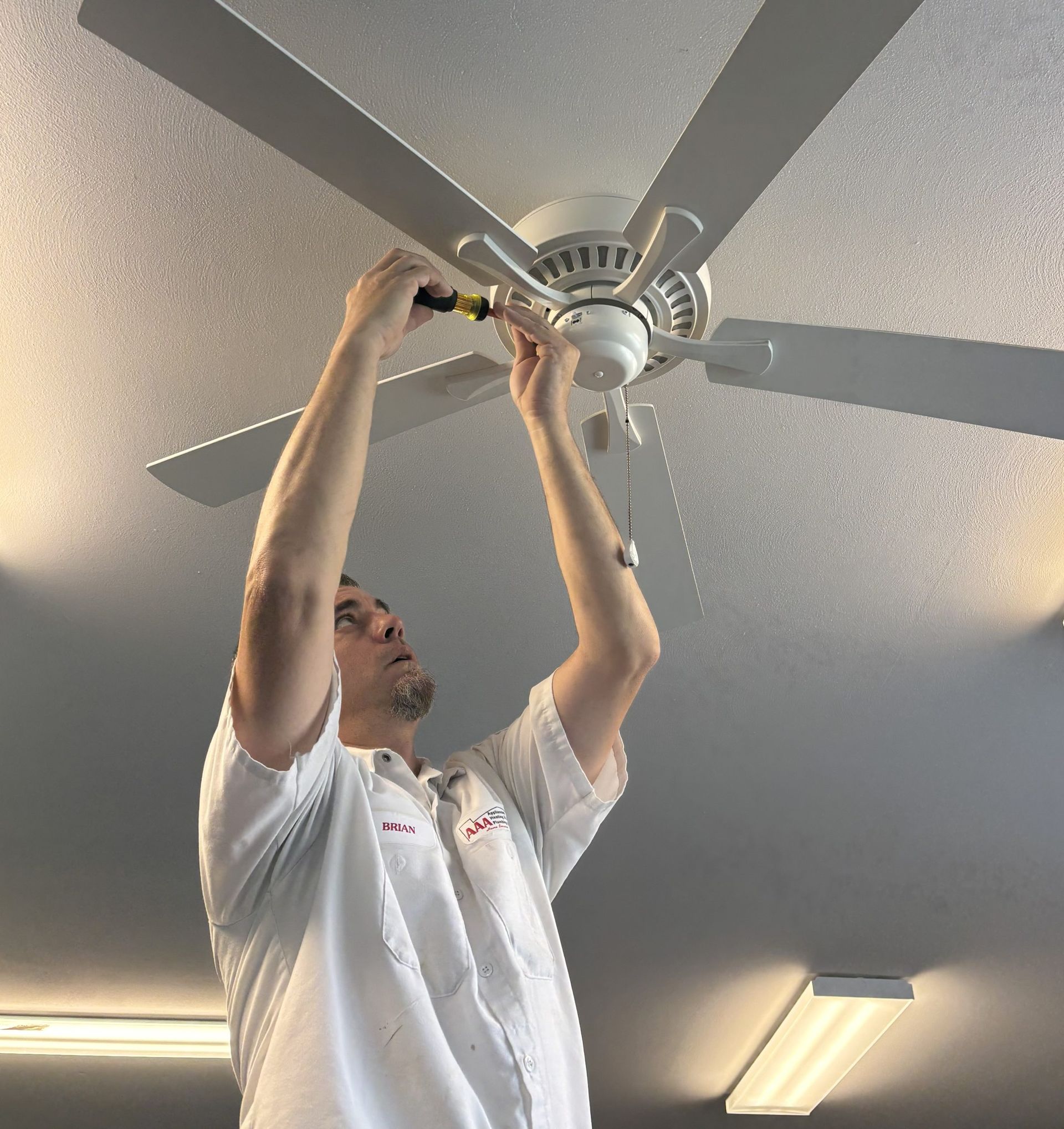
4. Loose bulb in a ceiling fan fixture. Very common. The combination of heat and constant vibration from the fan motor backs the bulbs out over time. Check and retighten every 6 months on a running fan.
If you’ve tried these and the flickering is gone, great. You saved yourself a service call. But if the flicker is happening in a pattern that doesn’t match any of the above, keep reading.
Call-an-Electrician Flicker: The Warning Signs You Shouldn’t Ignore
These are the patterns that should make a Chesterfield homeowner pick up the phone rather than keep Googling. Each one points at something inside the electrical system that’s actually wrong and getting worse — and some of them can start fires.
- Multiple rooms flicker at the same time. A single-room flicker usually points at that circuit. A whole-floor or whole-house flicker points at the main service, the panel, or the utility connection — all of which need a licensed electrician and, sometimes, a call to the utility company.
- Lights dim noticeably when a large appliance kicks on. The fridge compressor, the AC condenser, the oven element, or the washer starting a fill cycle should not visibly change the brightness of your ceiling lights. If they do, your panel or incoming service is underpowered or there’s a loose connection at the panel busbar — and loose panel connections arc, heat up, and start fires.
- Flickering combined with a faint burning smell. If you can even slightly smell burning plastic or electrical insulation near a flickering light, outlet, or switch — trust your nose and turn off the main breaker until an electrician can get there. This is one of the clearest early warnings of an active hazard.
- Flickering that started after a storm or power surge. A surge can damage wiring, splices, breakers, or the service entrance in ways that don’t fail all at once. Intermittent flickering in the weeks after a big storm is your house telling you to get it looked at.
- Lights flickering along with tripping breakers. Any pattern where a flicker correlates with a breaker trip is pointing at an overloaded or failing circuit. Never solve this by installing a bigger breaker — it’s the most common DIY mistake we see and it removes the one safety device that’s supposed to protect the circuit.
- Outlets or switches that feel warm to the touch. A warm wall plate — especially near a flickering light — is a loose connection generating heat. Loose connections don’t fix themselves, and they get worse over time.
Any one of these patterns is a reason to call. Two at the same time is an emergency.
“Brian did an exemplary job of repairing my electrical system which had been damaged by a power surge. He assessed and fixed my problems quickly. I couldn’t ask for a better service provider.”
— Robbye F., AAA Electrician customer
Why Chesterfield Homes Specifically Show These Issues
A big portion of the Chesterfield housing stock was built between 1975 and 1995, which means a lot of homes here have electrical panels approaching or past the 40-year mark. At that age, you start seeing: main breaker bus bars with corrosion or heat damage, aluminum branch wiring in homes built in a specific 1965-1973 window, original panels (FPE Stab-Lok, Zinsco, certain Pushmatic models) that have known defect histories and are now considered hazardous by most licensed electrical professionals, and service entrance cables that have weathered decades of Missouri storms.
A house built in 1985 has had 40 years for those connections to loosen, the insulation to dry out, and the panel to accumulate wear. Flickering lights are sometimes the first visible symptom that the panel is due for an upgrade or the wiring needs attention.
What a Real Diagnosis Looks Like
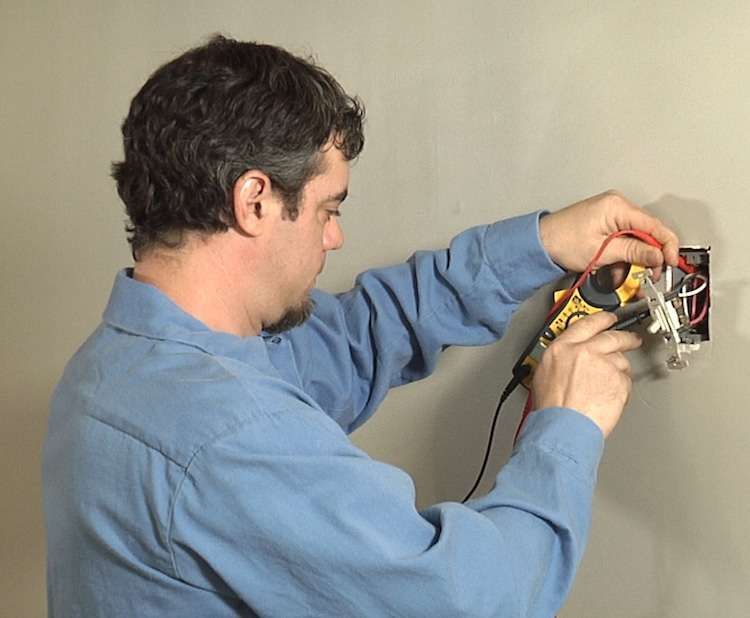
When our Chesterfield electricians arrive for a flickering lights call, the diagnosis work is methodical. The electrician pulls the panel cover and visually inspects for heat damage, loose connections, scorch marks, and corrosion. They measure voltage at the main bus, at the affected branch circuit, and at the first and last outlets on that circuit looking for a voltage drop that shouldn’t be there. If the problem is at the fixture, they check the box, the splices, and the device itself.
Most diagnosis calls resolve in under an hour. Most fixes — a loose neutral, a failed breaker, a bad splice — take another 30-60 minutes after that. Bigger issues (panel upgrade, whole-house rewire sections) get a written quote you can take away and think about without pressure.
“Brian Keith did a great job! He is knowledgeable, professional and able to diagnose a problem and determine the solution. He has performed other electrical services, and we have always been pleased.”
— Steve C., AAA Electrician customer
Whole-Home Surge Protection: The Affordable Insurance Policy
While we’re at your panel anyway, it’s worth asking about whole-home surge protection. A good surge device installed at the main panel protects every circuit in the house from utility-side and lightning-related surges. For homes that have experienced flickering or post-storm electrical weirdness, it’s one of the highest-value additions you can make — and it’s covered in more depth in our whole-house surge protector guide.
Schedule an Electrical Safety Check in Chesterfield
If you’ve been noticing any of the warning-sign patterns above, don’t wait for it to get worse. Call our Chesterfield electrical team at (636) 224-1790 to schedule a diagnostic visit. Our electricians are licensed, bonded, insured, and don’t work on commission — so the assessment you get is honest, protected by our Fair and Honest Pricing Guarantee. For more background reading, take a look at our ultimate guide to electrical wiring or browse our lighting repair and installation services.