
Flow Like a Pro: Expert Tips for Optimal Sewer Drain Upkeep
Why Your Sewer System Deserves Regular Attention
Your home’s sewer system works tirelessly behind the scenes, but when it fails, it can lead to messy and expensive problems. Proactive sewer drain maintenance is the key to preventing backups, property damage, and health hazards. A little attention now can save you from major headaches later.
Key preventative steps include:
- Watching for slow drains, gurgling sounds, or foul odors.
- Scheduling professional cleanings every 18-24 months.
- Being mindful of what you put down your drains and toilets.
- Using drain strainers to catch hair and debris.
- Addressing warning signs immediately.
This guide will walk you through recognizing problems, understanding their causes, and implementing effective maintenance. At AAA Home Services, our skilled technicians have helped countless homeowners in the Greater St. Louis area avoid plumbing disasters with honest assessments and lasting solutions.
Your Complete Guide to Sewer Drain Maintenance
Telltale Signs Your Sewer Line Needs Attention
Recognizing the early warning signs of a sewer problem is crucial for preventing a major backup. If you notice any of the following, it’s time to investigate.
- Multiple Slow Drains: If sinks, showers, and toilets throughout your house are draining slowly, the problem is likely in your main sewer line, not an individual pipe.
- Gurgling Sounds: Strange gurgling or bubbling noises from your drains or toilet after use often indicate trapped air in a partially blocked pipe.
- Unpleasant Odors: A persistent sewage smell from your drains means wastewater isn’t flowing away properly, allowing sewer gases to escape into your home.
- Water Backing Up in Unexpected Places: If flushing a toilet causes water to back up into your shower or tub, it’s a classic sign of a main line clog. The water has nowhere else to go.
- Sewage in Your Floor Drain: For homes with basement or utility room floor drains, any sewage or wastewater emerging from them is a clear signal that your main sewer line is blocked.
- Water Pooling Around the Sewer Cleanout: The sewer cleanout provides access to your main line. If you see water or sewage around this pipe, it means the line is backed up.
While a single clogged sink is a minor issue, the signs above point to a more serious problem in your main sewer line that requires professional attention. As our customer Mike M. noted, getting a quick and professional response is key: “Jack was fantastic, he repaired the issues very quickly, he talked me through his repair and he called and was able to show up before the time I was told which I really appreciated. I use AAA for most all my home issues and he made my decision the right one!” Learn more about spotting and preventing drainage clogs.
The Usual Suspects: Common Causes of Sewer Clogs
Understanding what causes clogs is the first step toward prevention. Many sewer backups are the result of everyday habits.
- Grease, Oils, and Fats (FOG): Pouring cooking grease down the drain is a primary cause of clogs. It cools, solidifies, and builds up on pipe walls, trapping other debris.
- Improperly Flushed Items: So-called “flushable” wipes do not break down like toilet paper. Along with feminine hygiene products, paper towels, and cotton swabs, they create stubborn blockages. Your toilet should only be used for human waste and toilet paper.
- Garbage Disposal Overload: Overloading your disposal with starchy or fibrous foods like potato peels, rice, and celery can create a thick sludge that clogs pipes.
- Tree Root Intrusion: Tree roots are naturally drawn to the moisture in sewer lines and can invade pipes through small cracks or joints, causing severe blockages and damage. This is especially common in older homes with clay or cast iron pipes.
- Pipe Deterioration: Over time, pipes can corrode, develop scale buildup from hard water, or sag (create “bellies”). These issues create rough surfaces and low spots where waste can accumulate and cause clogs.
- Failing Septic Systems: For homes with septic systems, a lack of regular maintenance can cause the tank to fill with solids, leading to backups in the house.
Your home’s private sewer lateral—the pipe running from your house to the municipal main—is your responsibility to maintain and repair. For help with these issues, our Sewer Repair Services team is ready to assist. You can also learn more about city sewer maintenance responsibilities to understand where your property line ends.
Proactive Sewer Drain Maintenance: Your First Line of Defense
Preventative sewer drain maintenance is key to avoiding costly and messy plumbing issues in the home. Adopt safe habits and partner with a trained AAA technician for professional service.
- Be Mindful of What Goes Down the Drain:
- Kitchen: Never pour grease, oil, or fat down the sink. Use your garbage disposal sparingly and avoid starchy or fibrous foods.
- Bathroom: Only flush human waste and toilet paper. Everything else, including “flushable” wipes, belongs in the trash.
- Use Drain Strainers: Place strainers in sinks and showers to catch hair, soap scum, and food particles.
- Schedule Professional Service: Have an AAA plumber perform routine cleaning and inspection (often every 18–24 months). Depending on the home, this may include cabling, hydro-jetting, and camera inspection. AAA can often offer Same Day/Next Day service, depending on availability.
- Skip DIY Chemicals and Home Remedies: Avoid caustic drain cleaners and do-it-yourself mixes for clogs—they can damage pipes or mask bigger issues. Call a trained technician instead.
- Septic Systems: If your home has a septic system, have it pumped by a licensed professional every two to three years.
Know Your System and Responsibilities
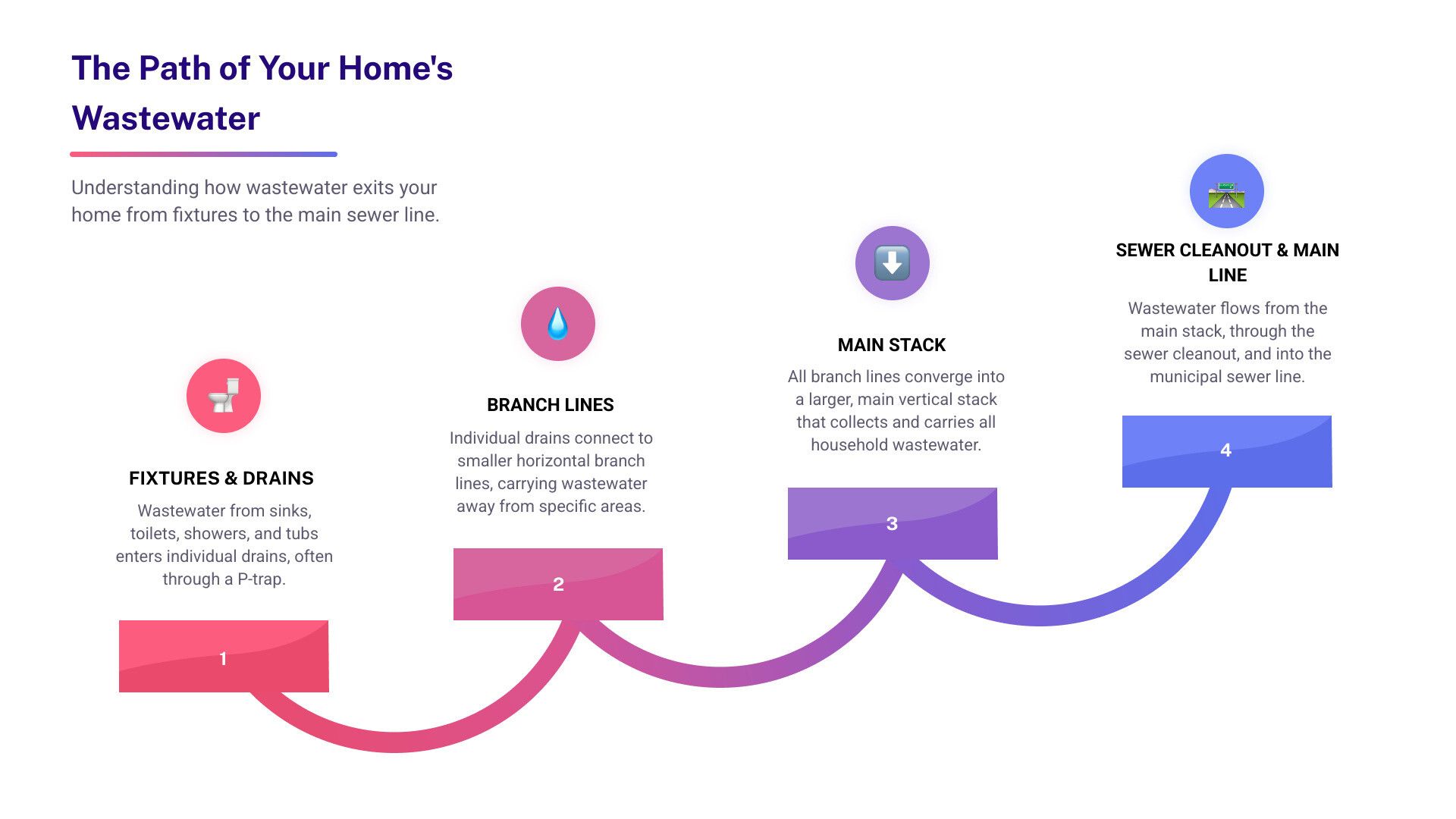
Locate your sewer cleanout and keep it accessible for service. Homeowners are typically responsible for the private sewer lateral from the home to the property line, while the municipality maintains the public main—confirm details with your local guidelines. Learn more about city sewer maintenance responsibilities. AAA’s residential plumbers service and repair home sewer and drain lines and can help keep everything flowing smoothly.
What homeowners say:
- Cheryl R. – AAA Plumbing and Home services is the one to call for all home services. Jeremy was professional, neat and efficient! I trust AAA for all of my home services and will freely recommend their home services to all of my family and friends.
- Sara B. – Fast, professional, honest. AAA is my go-to home repair provider. I am not from the area and do not much about plumbing, but did not feel taken advantage of. I worked with Jim and he walked me through everything and answered all of my questions.
The post Flow Like a Pro: Expert Tips for Optimal Sewer Drain Upkeep appeared first on AAA Home Services.