
Furnace Making Noise? What Each Sound Actually Means
Your furnace has been running quietly for years, and now it's making a sound that wasn't there before. Different furnace noises point to different problems — some minor, some that need immediate attention. Here's a practical guide to what you're likely hearing and what it means for your system.
Banging or Booming at Startup
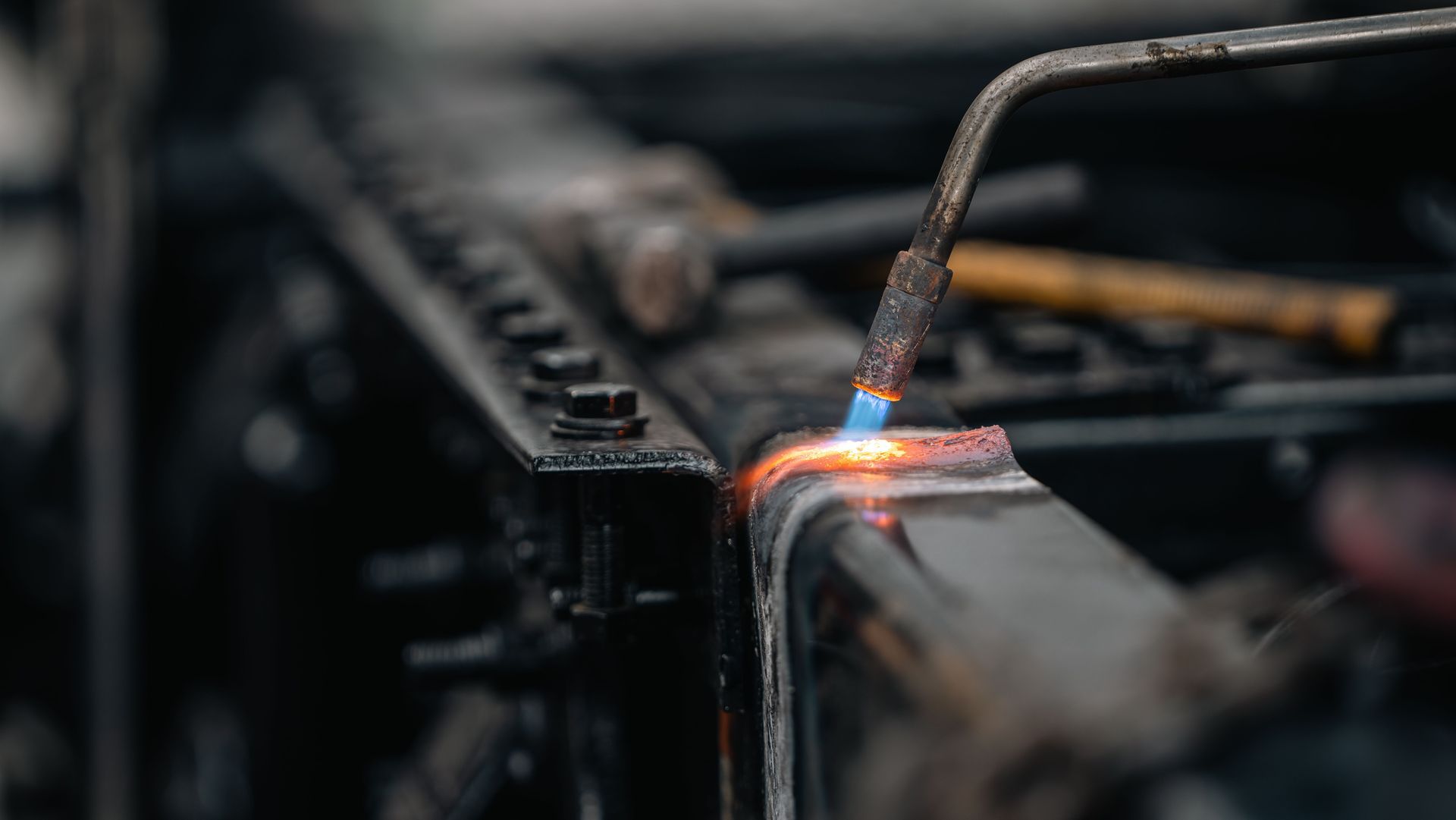
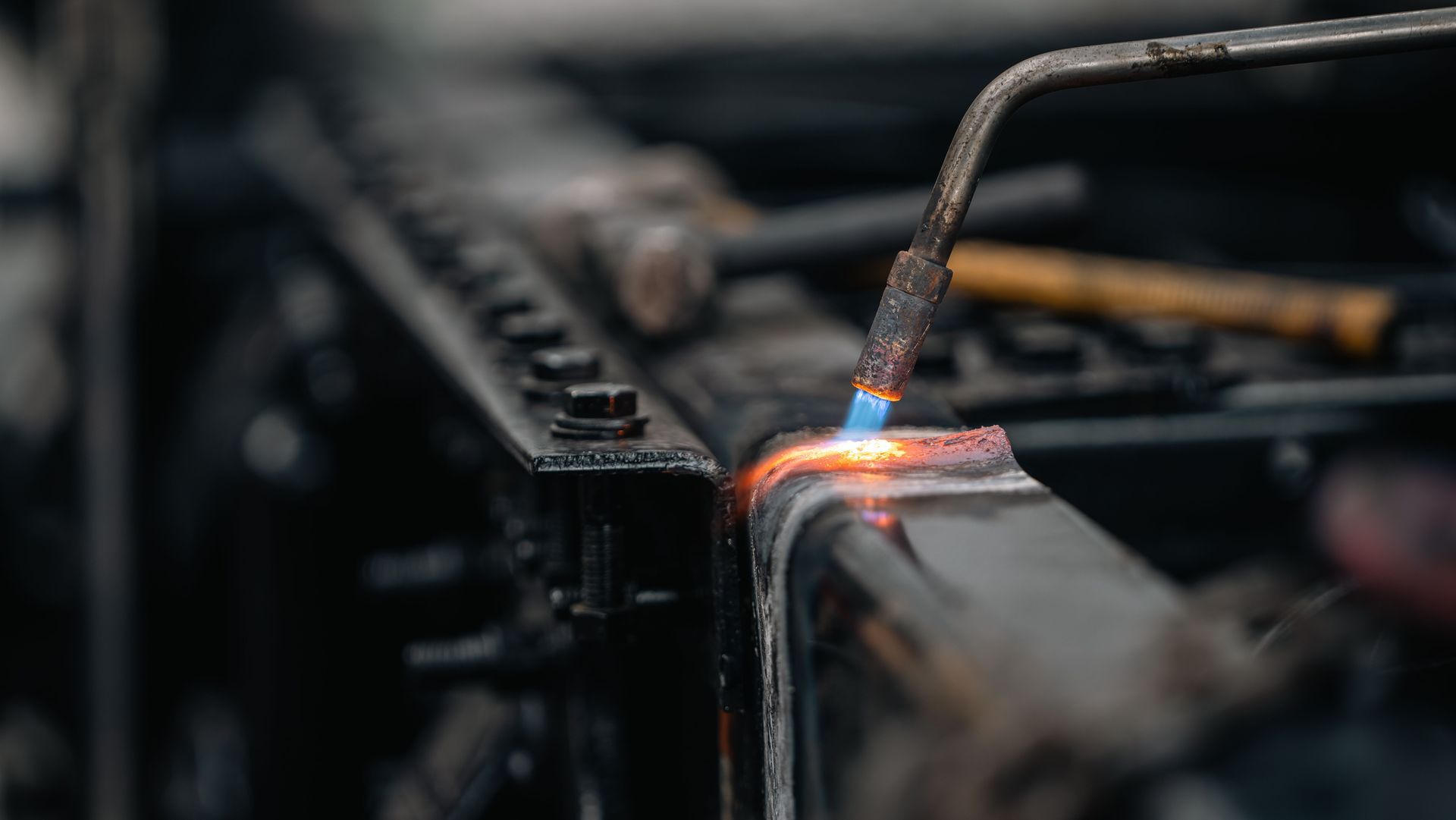
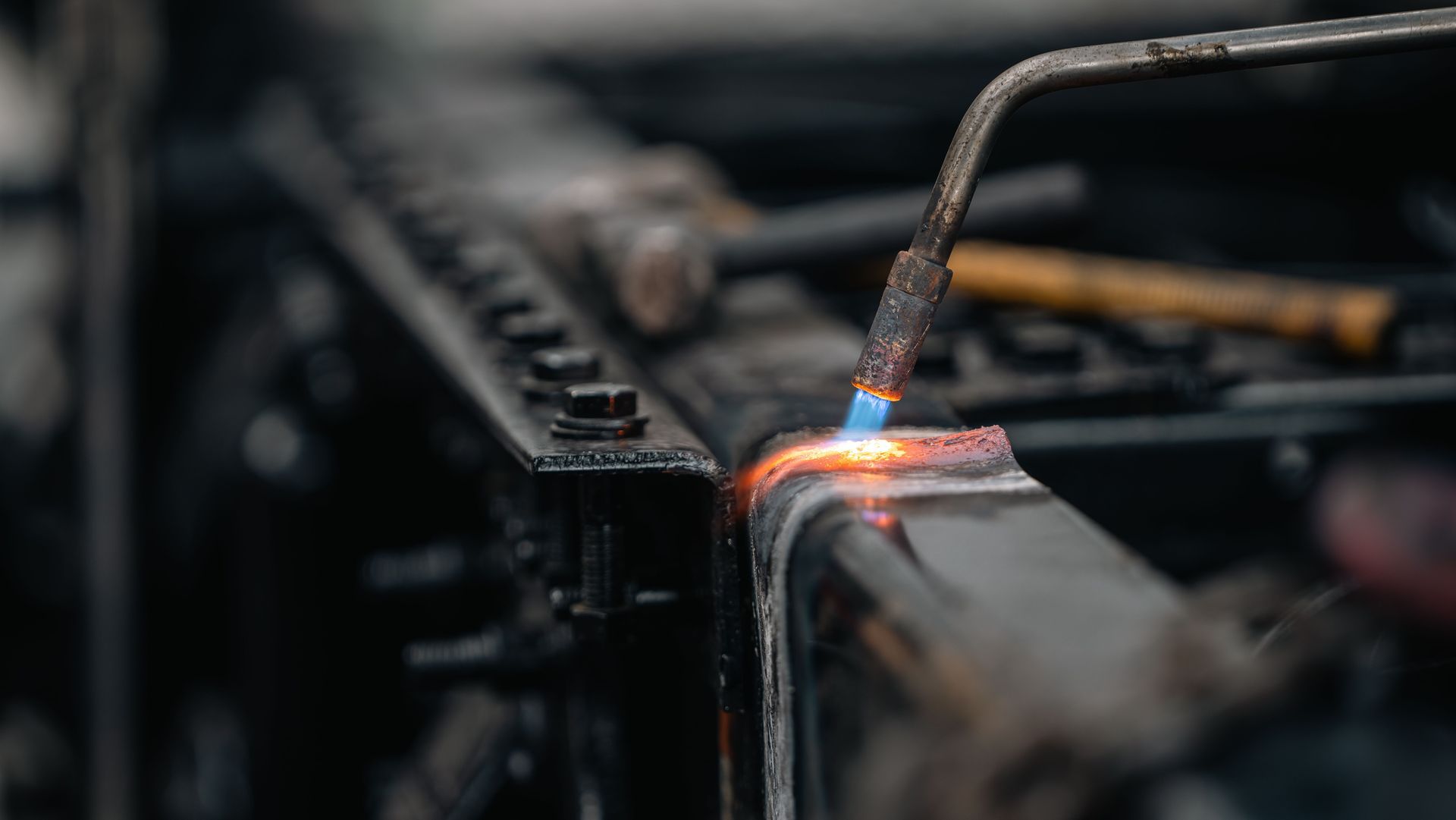
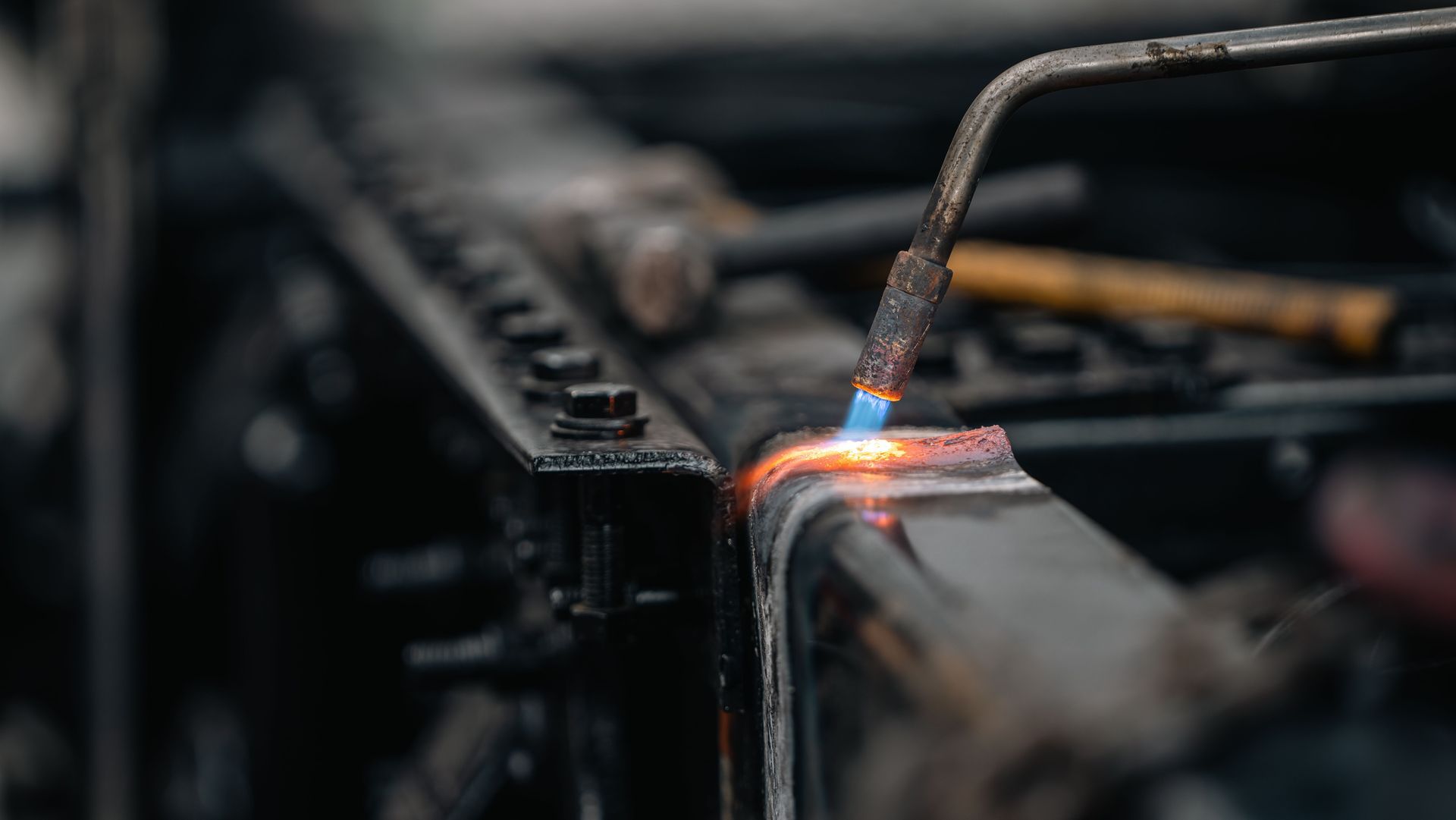
A loud bang when the furnace kicks on is one of the most alarming furnace noises — and for good reason. This is almost always delayed ignition. Here's what happens: gas flows into the burner chamber, but the ignition is delayed by dirty burners or a weak igniter. By the time the gas lights, there's a small buildup that ignites all at once, causing the bang.
This is hard on the heat exchanger. Repeated delayed ignitions can crack it over time. A dirty flame sensor, fouled burners, or low gas pressure are typical causes. Don't ignore a banging startup — it needs attention from a technician.
Popping or Clicking During Operation
Popping sounds that happen during the heating cycle — not just at startup — are usually the ductwork. When the furnace pushes heated air through the ducts, the metal expands slightly. When the system shuts off and cools, it contracts. If the ducts are undersized, have restricted airflow, or are old and stiff, this expansion/contraction is louder than normal.
A clogged air filter that reduces airflow significantly can make this worse. Try replacing the filter and see if it improves. Persistent duct popping may warrant having a technician check airflow balance.
Clicking that happens once at startup (the igniter trying to light) is normal. Clicking that keeps going or won't stop is not — it usually means the burner isn't lighting and the furnace is cycling through repeated ignition attempts.
Squealing or Screeching
High-pitched squealing almost always involves a motor. The two most likely sources:
- Blower motor bearings: When bearings dry out or wear, they start producing a high-pitched whine or squeal that gets louder over time. Lubrication might extend the life of the motor, but worn bearings are often a sign the motor is approaching failure.
- Draft inducer motor: The inducer pulls combustion air through the heat exchanger before the burners light. If its bearings are going, you'll hear squealing at the beginning of the heating cycle, before the blower starts.
Older furnaces with belt-drive blowers can also squeal from a worn or misaligned belt. Newer direct-drive systems don't have belts, so the motor itself is the focus.
Rattling
Rattling has a wide range of causes, from completely harmless to serious:
- Loose access panels: The simplest fix — make sure the furnace door panels are fully seated and latched.
- Loose screws: Sheet metal screws on the furnace cabinet or duct connections can work loose over time. Tighten them and the rattle may disappear.
- Debris in the ductwork: A screw, piece of insulation, or even a small object dropped into a vent can rattle when air pushes through.
- Internal rattling: Rattling that seems to come from inside the furnace — especially from the heat exchanger area — is more concerning. A cracked heat exchanger can vibrate and rattle during operation. This needs professional evaluation.
Rumbling or Low Humming
A rumbling sound during or after the heating cycle often points to combustion issues. Dirty burners that aren't burning cleanly, a partially failing heat exchanger, or a blower motor struggling to move air can all produce a rumbling sound.
If the rumbling happens after the burners shut off, it may be combustion gases still lingering inside the heat exchanger — which can indicate incomplete combustion. The EPA's indoor air quality guidance highlights combustion issues as a key source of indoor air pollutants. Any persistent rumbling is worth a professional look.
Whistling
Whistling typically means air is being forced through a gap it shouldn't be going through. Common causes include a dirty or partially clogged air filter (air finds any gap around the filter frame to get through), a filter that doesn't fit properly, or small gaps in the ductwork connections near the air handler. Replace the filter first; if the whistling continues, have the ductwork checked.
When to Call for Furnace Repair
Any noise that's new, getting louder, or accompanied by a smell of gas or burning should be addressed promptly. Ignoring furnace sounds doesn't make the underlying problem go away — it usually makes it worse and more expensive to fix.
AAA Home Services handles furnace repair in St. Peters and throughout St. Charles, St. Louis, Lincoln and Warren Counties. We've been diagnosing the full range of furnace problems since 1970, and our technicians do not work on commission — so you'll get an honest assessment of what's causing the noise and what it actually takes to fix it.
For furnace repair, call (636) 397-3200 or request service online.