
What's Actually Included in a Furnace Tune-Up?
If you've ever scheduled a furnace tune-up and wondered exactly what the technician is doing in there for an hour, you're not alone. The term "tune-up" gets used a lot, but the actual scope varies significantly between companies. Here's a clear breakdown of what a thorough, professional furnace service visit should cover — and why each item matters.
Visual Inspection of the System
Before touching anything, a good technician does a full visual scan of the furnace and surrounding area. They're looking at:
- The general condition of the unit — rust, corrosion, unusual wear
- Flue and exhaust vent connections for damage, separation, or blockage
- Gas lines and fittings for signs of corrosion or leaks
- The air filter (and filter slot) for condition and proper fit
- The area around the furnace for combustibles or clearance issues
This initial scan often reveals obvious problems before the real diagnostic work begins.
Heat Exchanger Inspection
This is one of the most critical — and most often overlooked — parts of a furnace tune-up. The heat exchanger is the component that separates the combustion gases from the air that gets pushed into your living space. A crack in the heat exchanger can allow carbon monoxide to enter your home.
A proper inspection involves checking each cell of the heat exchanger visually (and sometimes with a camera or smoke test) for cracks, holes, or deterioration. This is something you cannot check from the outside of the furnace, and it's a primary reason professional annual service matters.
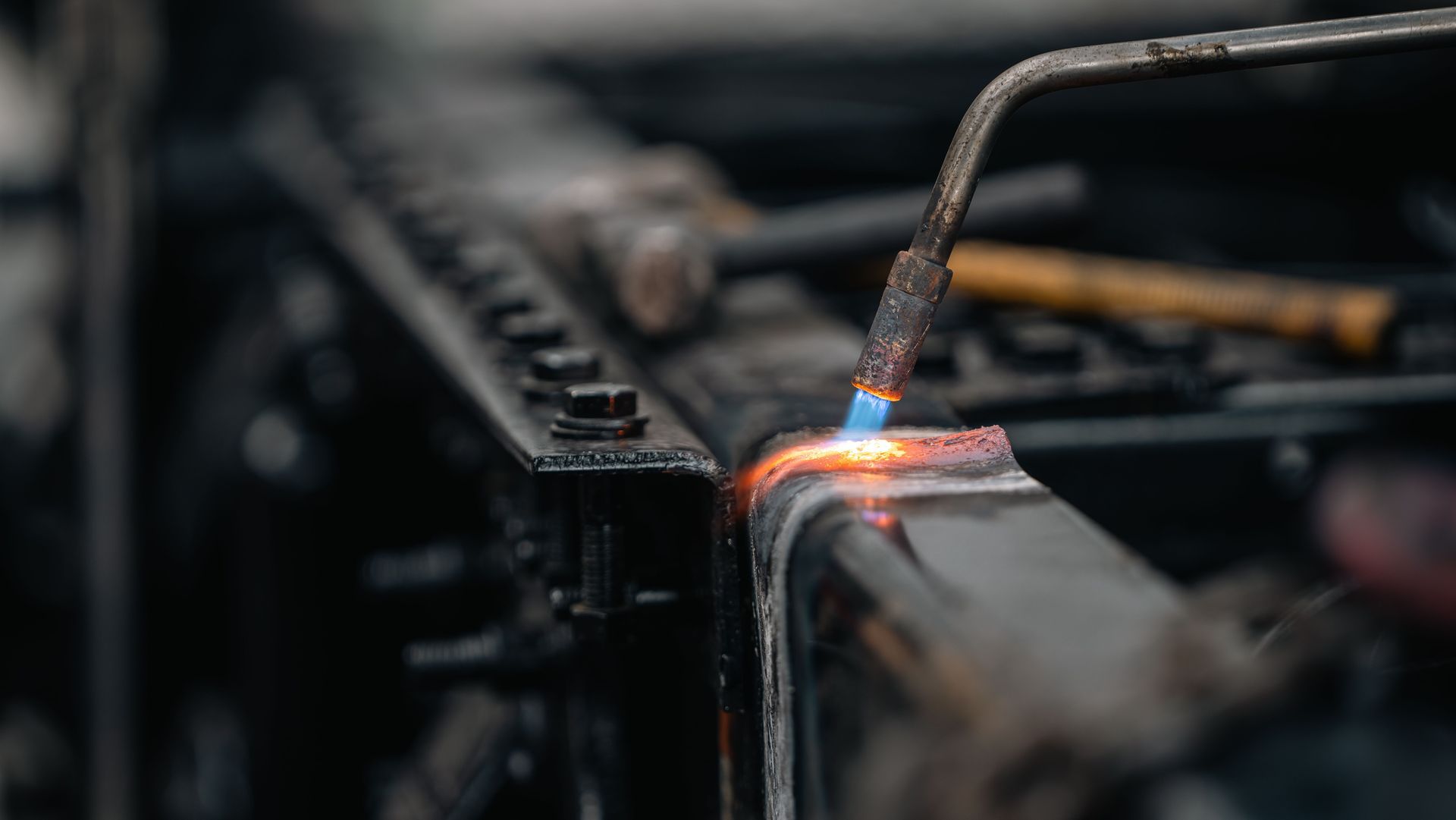
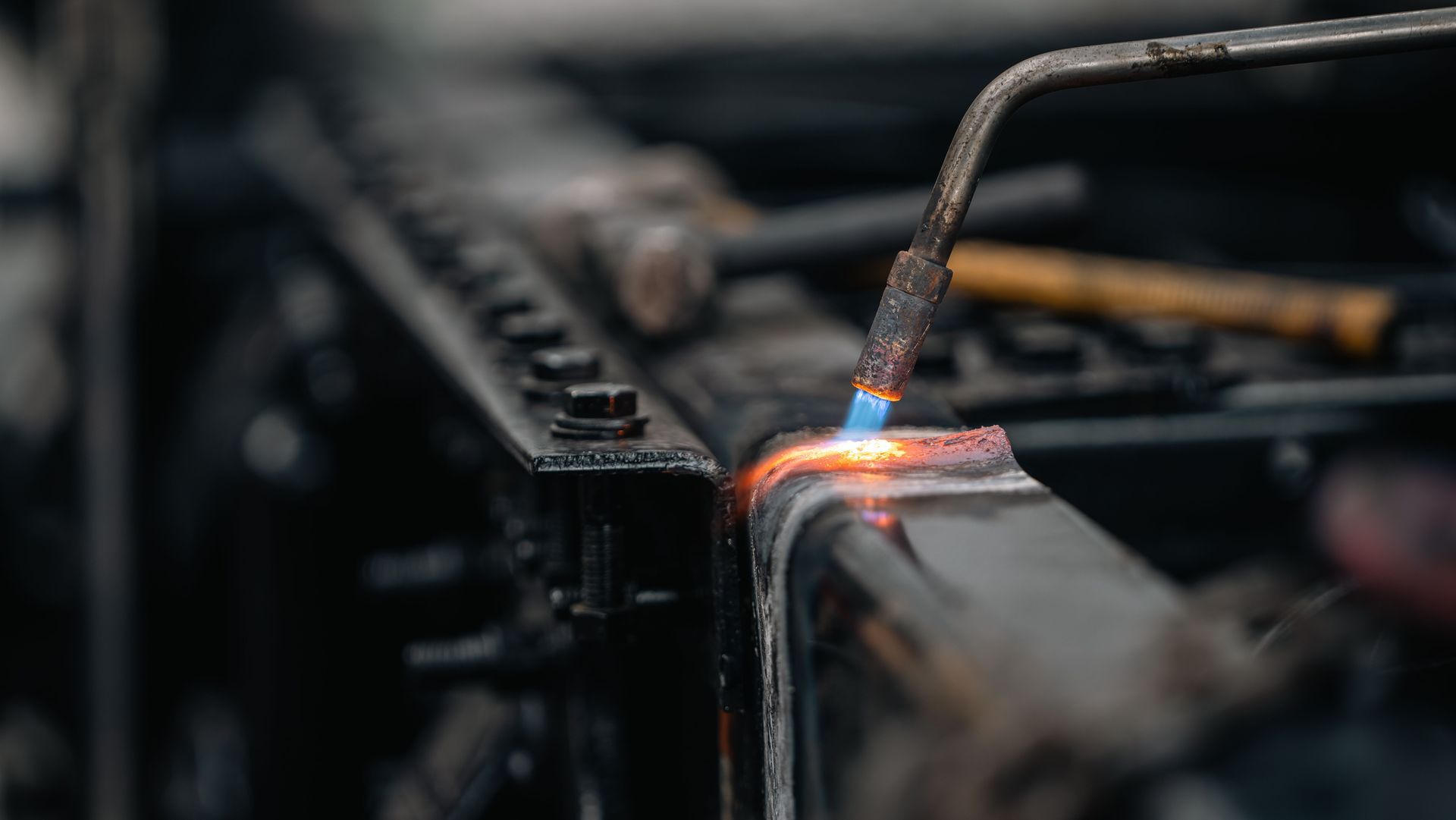
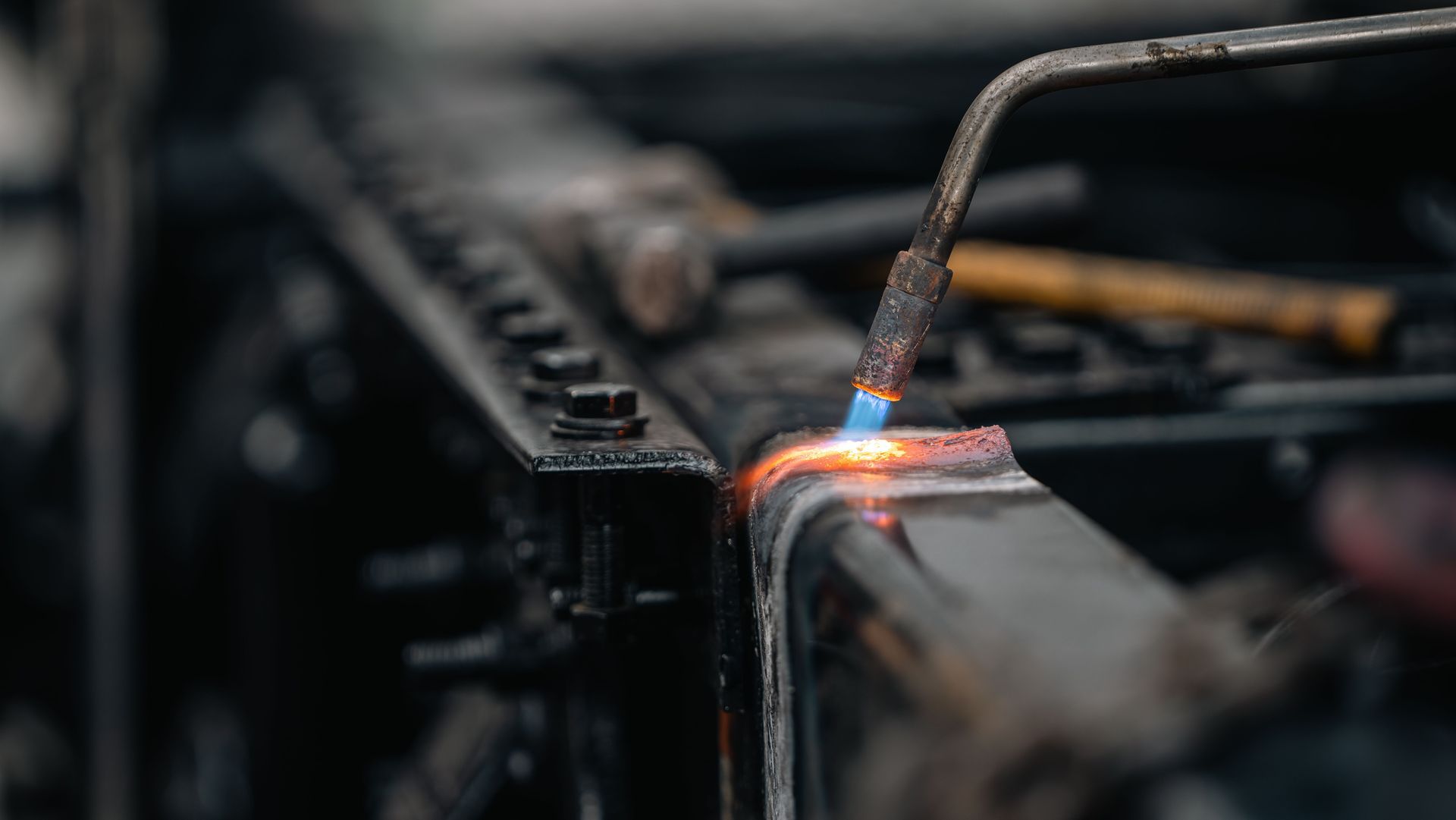
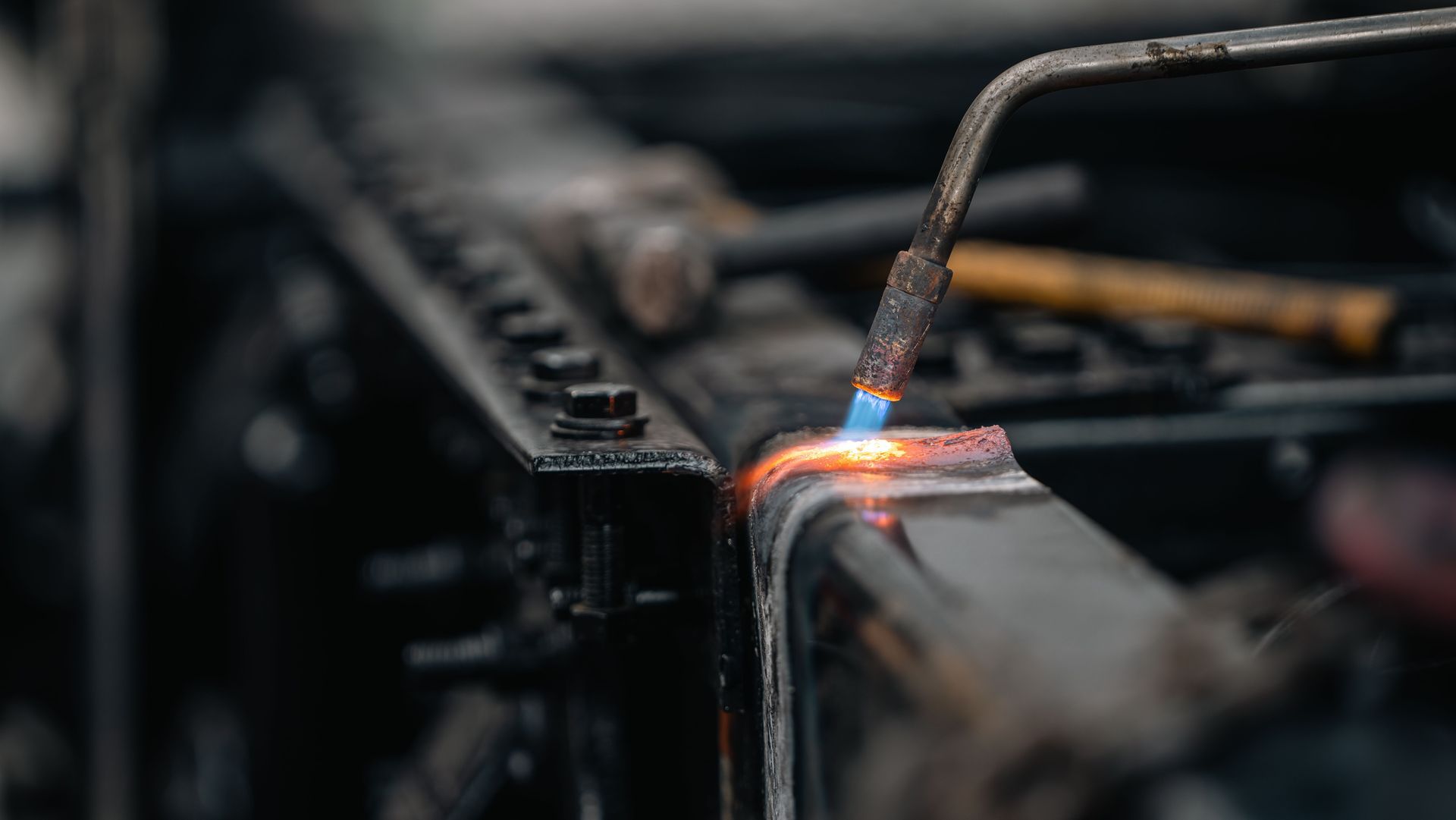
Burner Cleaning and Flame Inspection
Over time, dust and debris accumulate on the burners, leading to uneven combustion, poor efficiency, and sometimes delayed ignition (which causes the banging sound many homeowners notice). A technician removes and cleans the burner assembly, then checks the flame pattern when the system fires up.
The flame should burn blue and steady. Yellow, orange, or uneven flames indicate a combustion problem that needs to be addressed.
Igniter and Flame Sensor Check
The igniter (typically a hot-surface igniter) and flame sensor are small components with a big impact on reliability. The technician checks the igniter for cracks or wear and tests the flame sensor's microamp reading. A weak flame sensor reading means the sensor is getting close to failure — better to catch it during a tune-up than during a January breakdown.
Blower Motor Inspection and Lubrication
The blower motor pushes conditioned air through your ductwork. During a tune-up, the technician:
- Checks the blower wheel for dust buildup (a dirty blower wheel can reduce airflow by 20–30%)
- Lubricates bearings if applicable to the motor type
- Checks motor amperage to verify it's running within spec
- Verifies the drive belt (if present) for tension and wear
Electrical Components and Safety Controls
Loose electrical connections cause resistance, heat, and — eventually — component failures. The technician checks and tightens terminals in the control board area, tests the capacitor (if present), and verifies that the unit's safety switches and limit controls are operating correctly. This includes:
- High-limit switch test
- Pressure switch verification
- Control board and wiring condition
Gas Pressure and Combustion Testing
Gas pressure that's too high or too low affects combustion efficiency and can damage components. A technician uses a manometer to check supply and manifold gas pressure against the manufacturer's specifications. They may also perform a combustion analysis to measure efficiency and confirm complete, safe combustion.
The U.S. Department of Energy notes that proper combustion is one of the most significant factors in both furnace efficiency and safety.
Flue and Venting Inspection
The flue carries combustion byproducts out of your home. The technician checks the entire flue run for blockages, proper slope, secure connections, and signs of corrosion or damage. A blocked or damaged flue is both an efficiency problem and a serious safety hazard.
What the Tune-Up Doesn't Include
A standard tune-up covers inspection, cleaning, and testing. It typically does not include replacement parts. If a tune-up reveals that the igniter is cracked, the flame sensor needs replacement, or a capacitor is failing, those parts and the labor to install them would be a separate charge. A good technician will explain any findings clearly and let you decide how to proceed.
Schedule Your Annual Furnace Service
AAA Home Services has been providing professional furnace maintenance throughout St. Charles, St. Louis, Lincoln and Warren Counties since 1970. Our technicians do not work on commission — they're paid to do the job right, not to sell you extra services.
To schedule a tune-up or learn more about our full range of heating services, call (636) 397-3200 or request service online. If you're dealing with a furnace issue beyond routine maintenance, our furnace repair team is ready to help.