
7 Signs Your Furnace Needs to Be Replaced (Not Just Repaired)
Every furnace repair call we go on starts with the same question from homeowners: "Is it worth fixing, or should I just replace it?" There's no one-size-fits-all answer, but there are clear warning signs that tell an experienced technician whether a system has more productive life in it or whether you're just throwing money at a losing cause. Here are seven signs that point toward replacement.
1. The Furnace Is 15 Years Old or Older
Age is the single biggest factor in the repair-versus-replace decision. Most gas furnaces are designed to last 15–20 years. Once your system hits that range, every repair you make is on a unit that's approaching or past the end of its expected service life.
That doesn't mean you automatically replace a furnace the day it turns 15. But it does mean you weigh the cost of repairs differently. A $600 fix on a 10-year-old furnace makes sense. The same $600 on a 17-year-old unit is a different calculation entirely.
2. You've Had Repairs Two or More Winters in a Row
One breakdown can be a fluke. Two in the same season, or back-to-back winters of service calls, is a pattern. When different components start failing one after another, that's typically a sign that the system as a whole is wearing out — not that you've just had bad luck with individual parts.
Think of it this way: a car that needs a new alternator, then a new water pump, then a new transmission over 18 months probably needs a new car. The same logic applies to HVAC systems.
3. Your Heating Bills Are Climbing Without Explanation
If your gas bills have crept up over the past two or three winters and you haven't changed how you use your heat, your furnace is likely losing efficiency. As heat exchangers crack, burners get dirty, and components wear, a furnace has to run longer to produce the same amount of heat. You pay for every extra minute it runs.
Older furnaces — those made before 2000 — often have AFUE ratings of 60–70%. That means 30–40 cents of every dollar you spend on gas is wasted. ENERGY STAR-certified systems today operate at 95–98% efficiency. The monthly savings from replacing an old furnace can be significant.
4. Some Rooms Are Too Cold, Others Too Hot
Uneven heating — a bedroom that's always cold while the living room is fine, or a basement that swings between extremes — can have multiple causes. But when it's coming from an aging furnace, it's often because the blower motor is weakening, the heat exchanger is damaged, or the system can no longer distribute heat evenly throughout the home.
Sometimes the fix is a blower motor or ductwork adjustment. But in older systems, uneven heating is often a symptom of a broader decline in the unit's ability to perform.
5. The Burner Flame Is Yellow or Orange
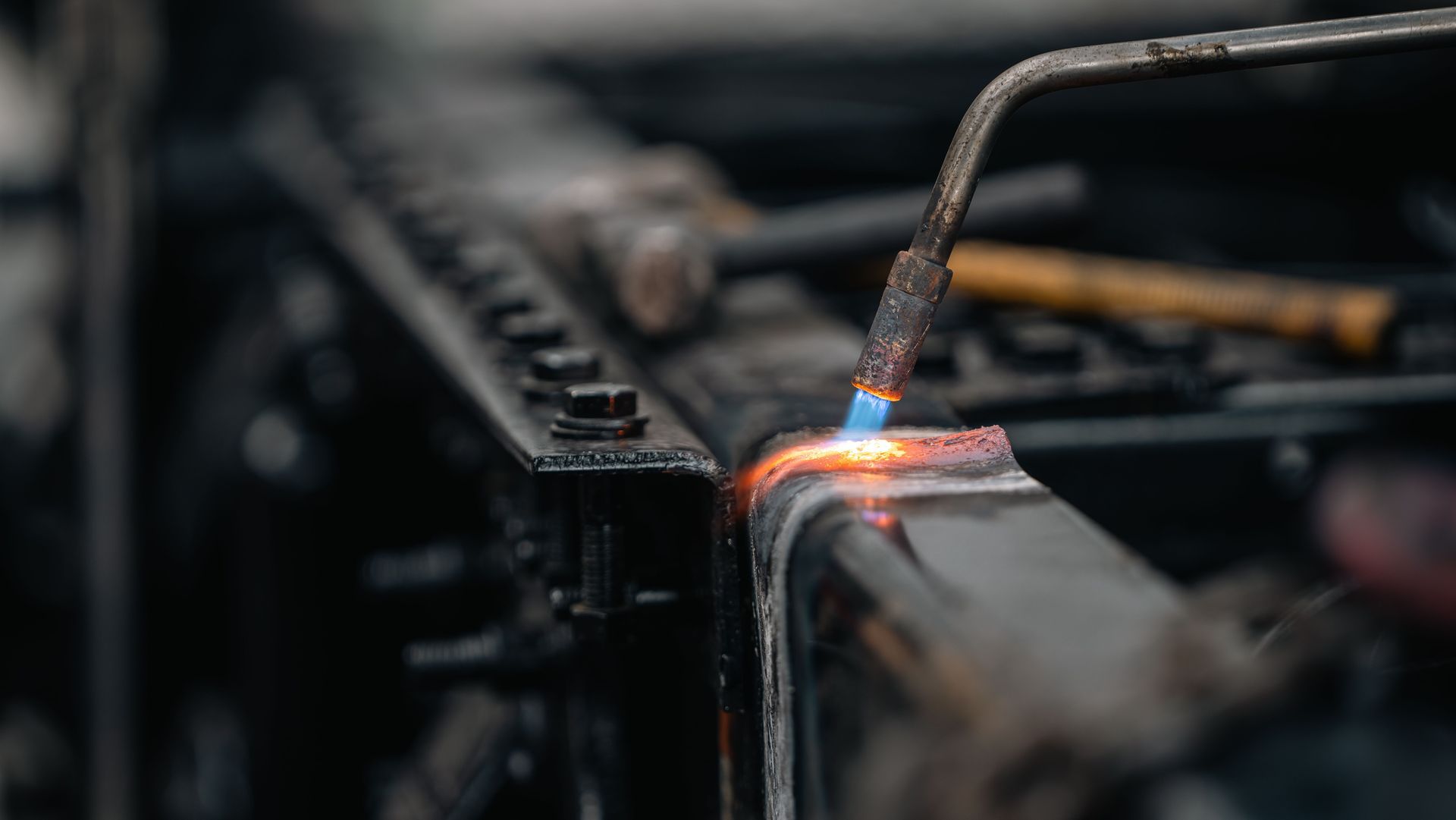
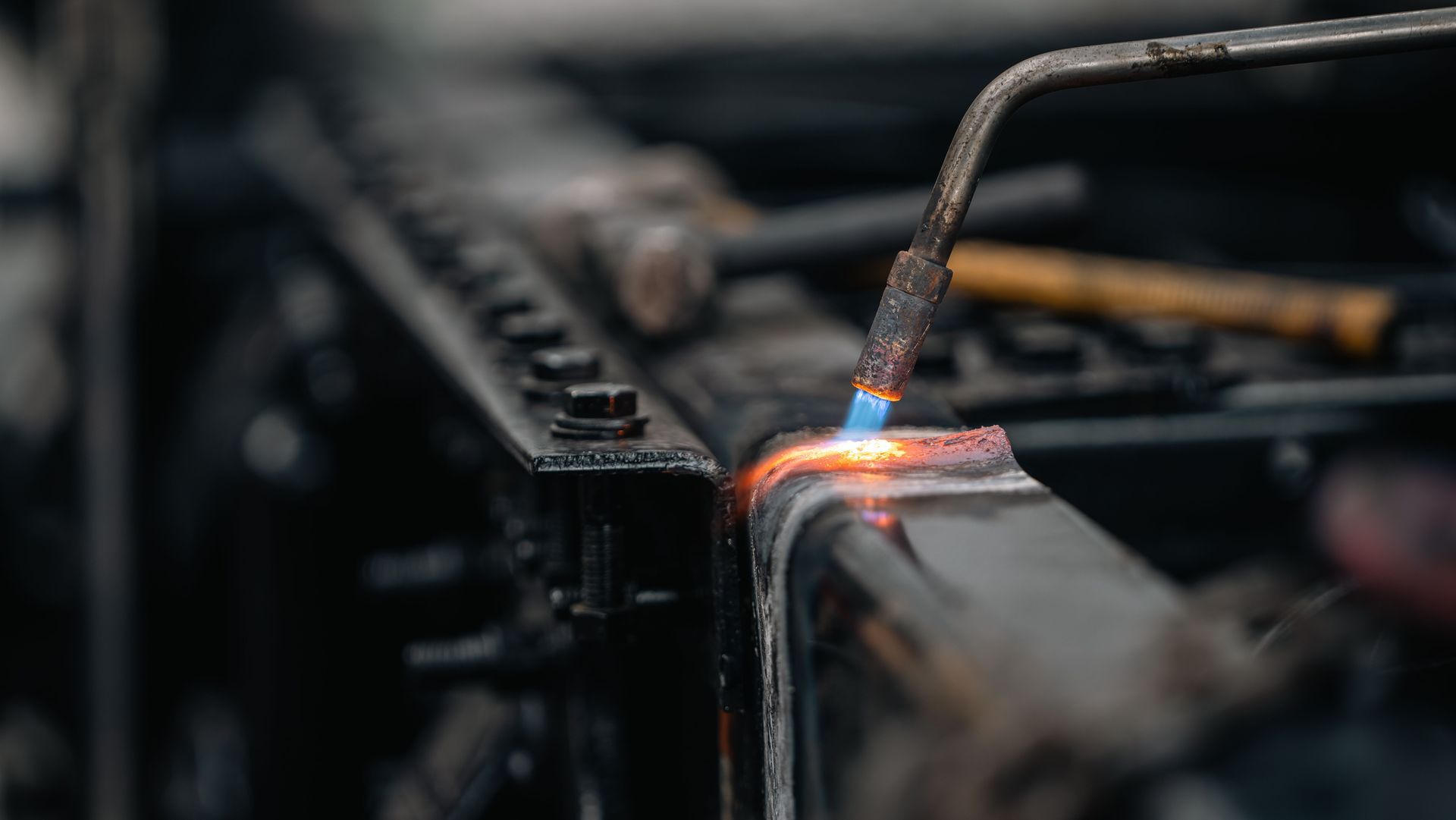
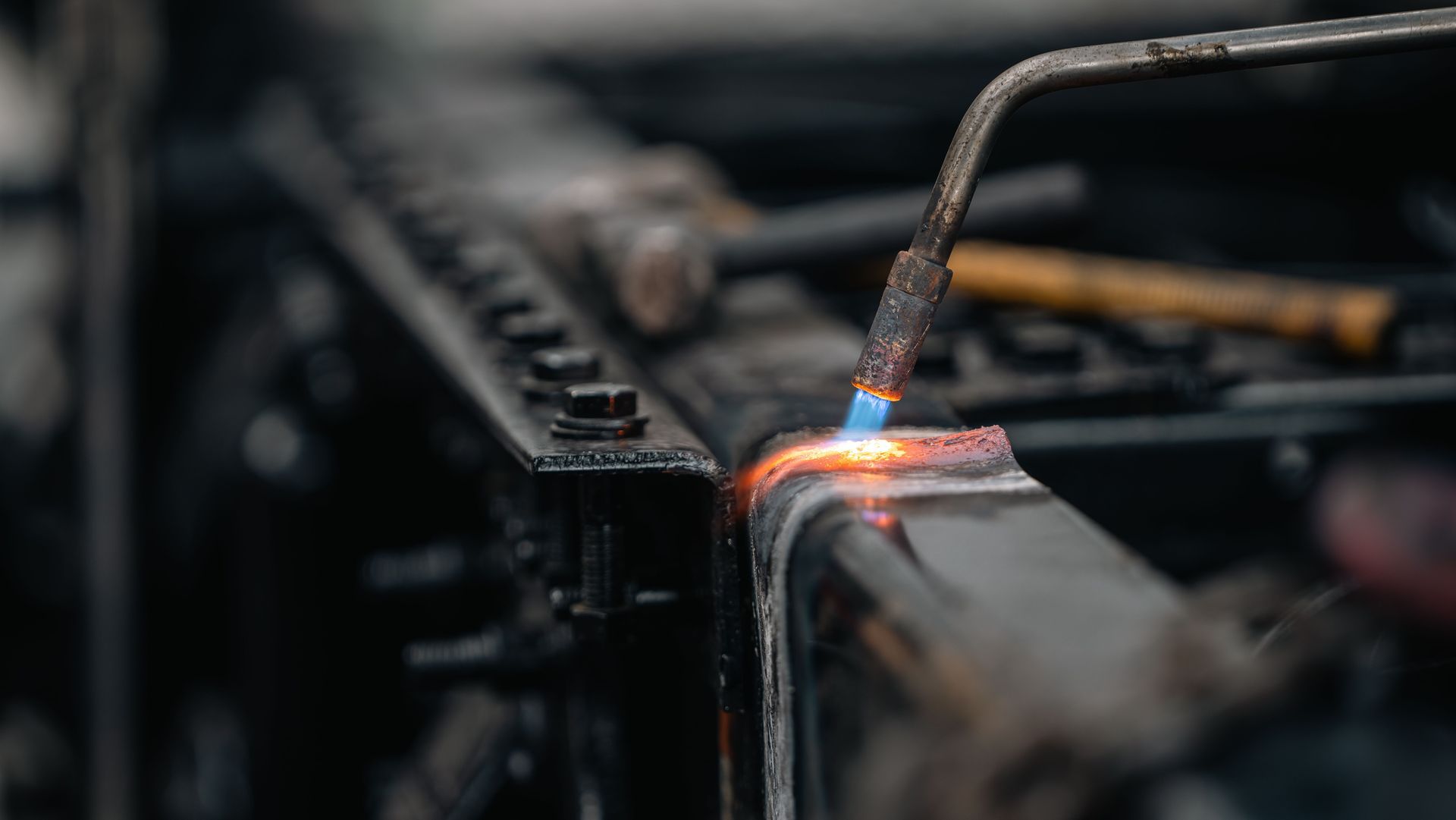
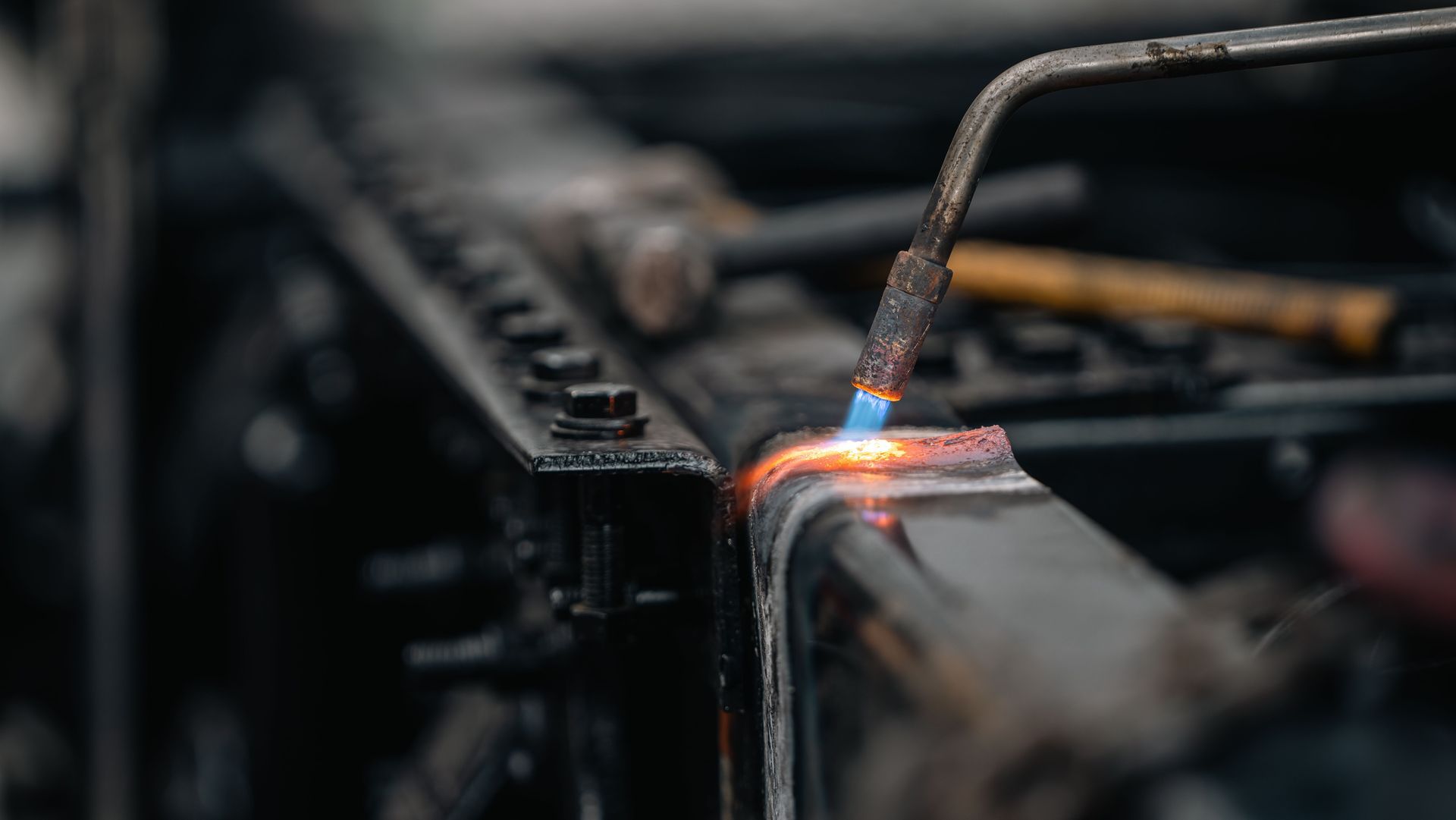
Open the access panel and look at the burner flame while the furnace is running. It should be a steady blue with possibly a small tip of yellow. If the flame is mostly yellow or orange, that's a warning sign.
A yellow flame indicates incomplete combustion, which can mean the furnace is producing carbon monoxide. It can also indicate dirty burners or a cracked heat exchanger — either of which is a serious issue. Don't ignore this. If you see a yellow flame, call a technician before running the system again.
6. The Furnace Is Making New or Unusual Noises
A furnace that runs quietly for 15 years and then starts banging, rattling, popping, or squealing is telling you something has changed. Specific sounds point to specific problems:
- Banging or popping: Often dirty burners causing delayed ignition, or the ductwork expanding and contracting due to restricted airflow
- Screeching or squealing: Blower motor bearings wearing out, or a slipping belt
- Rumbling or rattling: Loose panels, a failing blower, or something more serious internally
New noises in an aging furnace should be evaluated by a technician. Sometimes it's a simple fix; sometimes it's the beginning of a cascade of component failures.
7. Your Carbon Monoxide Detector Has Gone Off
If your CO detector has triggered — even once — and the source was traced to your furnace, don't simply repair and move on. A cracked heat exchanger that's allowing combustion gases into your living space is a major safety hazard and, in older systems, is often a signal that the unit has reached the end of its safe operating life.
We address furnace safety issues as a priority — but a heat exchanger problem in a furnace that's already 18 years old is almost always a stronger argument for replacement than repair.
What to Do If You're Seeing These Signs
If two or more of these apply to your furnace, the conversation about replacement should happen before the system fails completely — ideally before winter is in full swing. Planning a replacement gives you time to choose the right equipment, take advantage of available rebates, and avoid the premium cost of emergency installation in a cold snap.
AAA Home Services has been helping homeowners in Chesterfield and across St. Charles, St. Louis, Lincoln and Warren Counties make this decision since 1970. Our technicians do not work on commission, so you'll get an honest assessment of whether repair or replacement is the right call for your situation.
Call us at (636) 397-3200 or request service online.