

Ductless Mini-Splits in Missouri: What Nobody Mentions When They're Selling You One
Ductless Mini-Splits in Missouri: What Nobody Mentions When They're Selling You One
Mini-splits have a great pitch. No ductwork. Zoned comfort. Quiet operation. Energy savings. By the time a salesperson is done talking, you're picturing a sleek wall unit humming softly while your energy bill shrinks to nothing.
Then you actually own one for a Missouri winter.
That's not to say ductless systems are a bad choice — for the right home and the right situation, they're genuinely excellent. But there are a handful of things that rarely come up during the sales conversation that you really should know before you commit. This is that conversation.
How a Ductless Mini-Split Actually Works
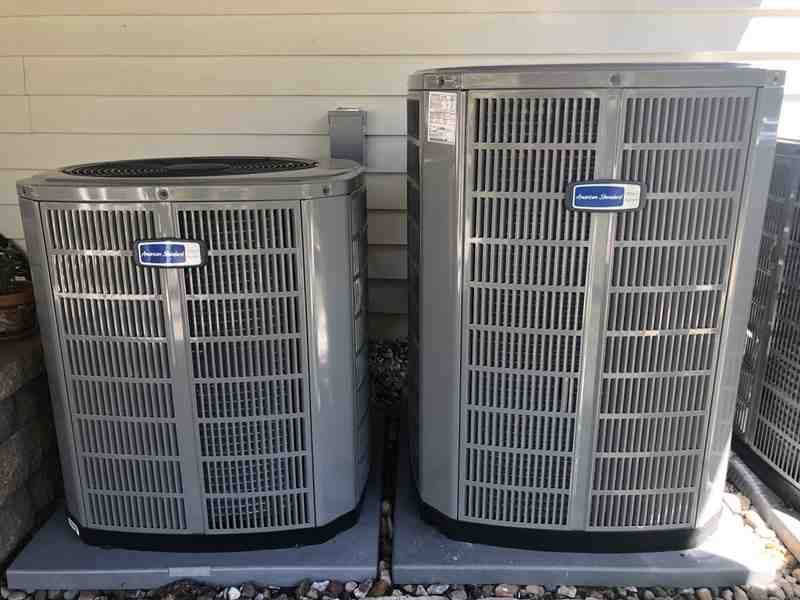
A mini-split system has two main components: an outdoor compressor unit and one or more indoor air-handling units mounted high on interior walls. Unlike a central HVAC system, there's no network of ducts distributing air through the house. Refrigerant lines run through a small hole in the wall to connect the indoor and outdoor units.
The indoor units blow conditioned air directly into the room they serve. Each zone — typically one room or open area — has its own unit and its own thermostat. You can heat the bedroom to 72 while leaving the guest room at 65. That's the selling point, and it's real.
What the pitch tends to gloss over is performance at the extremes — and in St. Charles County, we get both extremes.
Missouri's Climate Is Harder on Mini-Splits Than Most
Here's what the sales sheets don't emphasize: standard mini-splits start losing efficiency when outdoor temperatures drop below about 25°F. Missouri winters regularly push below that, especially in January and February. When it gets cold enough, a standard mini-split may run continuously and still struggle to keep up.
Cold-climate mini-splits (sometimes called hyper-heat models) handle low temperatures much better — down to -13°F in some cases — but they cost more upfront and not every installer defaults to recommending them.
On the other end, Missouri summers are humid. Mini-splits do dehumidify as they cool, but in a particularly sticky July, a system sized too aggressively for a space will short-cycle — it reaches the target temperature quickly, shuts off, and doesn't run long enough to pull moisture out of the air. The room feels cool but clammy. Proper sizing matters more here than in drier climates, and it's worth having someone run the numbers rather than eyeballing it.
If you're weighing a mini-split against a traditional system, a conversation with the team at AAA Home Services' heating and cooling department is a good starting point — they can look at your specific situation rather than defaulting to whatever moves fastest off the shelf.
The Installation Details That Actually Matter
Mini-splits are not plug-and-play. A few things that get underemphasized:
- Line set placement: The refrigerant lines, electrical conduit, and condensate drain run on the exterior of your home between the indoor and outdoor units. How that conduit is routed — and how it looks on your house — varies a lot by installer. Ask to see photos of past installs.
- Drain line slope: The condensate line has to slope away from the unit. If it's installed level or sloping the wrong direction, water backs up into the unit. It's a common install error.
- Outdoor unit placement: The compressor needs adequate clearance, can't be in a location where it'll get buried in snow drifts off your roofline, and shouldn't be right outside a bedroom window if noise matters to you.
- Electrical: Each indoor unit typically needs its own dedicated circuit. If your panel is already crowded, that's an additional cost to factor in.
Maintenance: More Than You Might Expect
Mini-splits are often marketed as "low maintenance," and compared to a forced-air system with filters throughout the ductwork, they are simpler in some ways. But they're not maintenance-free.
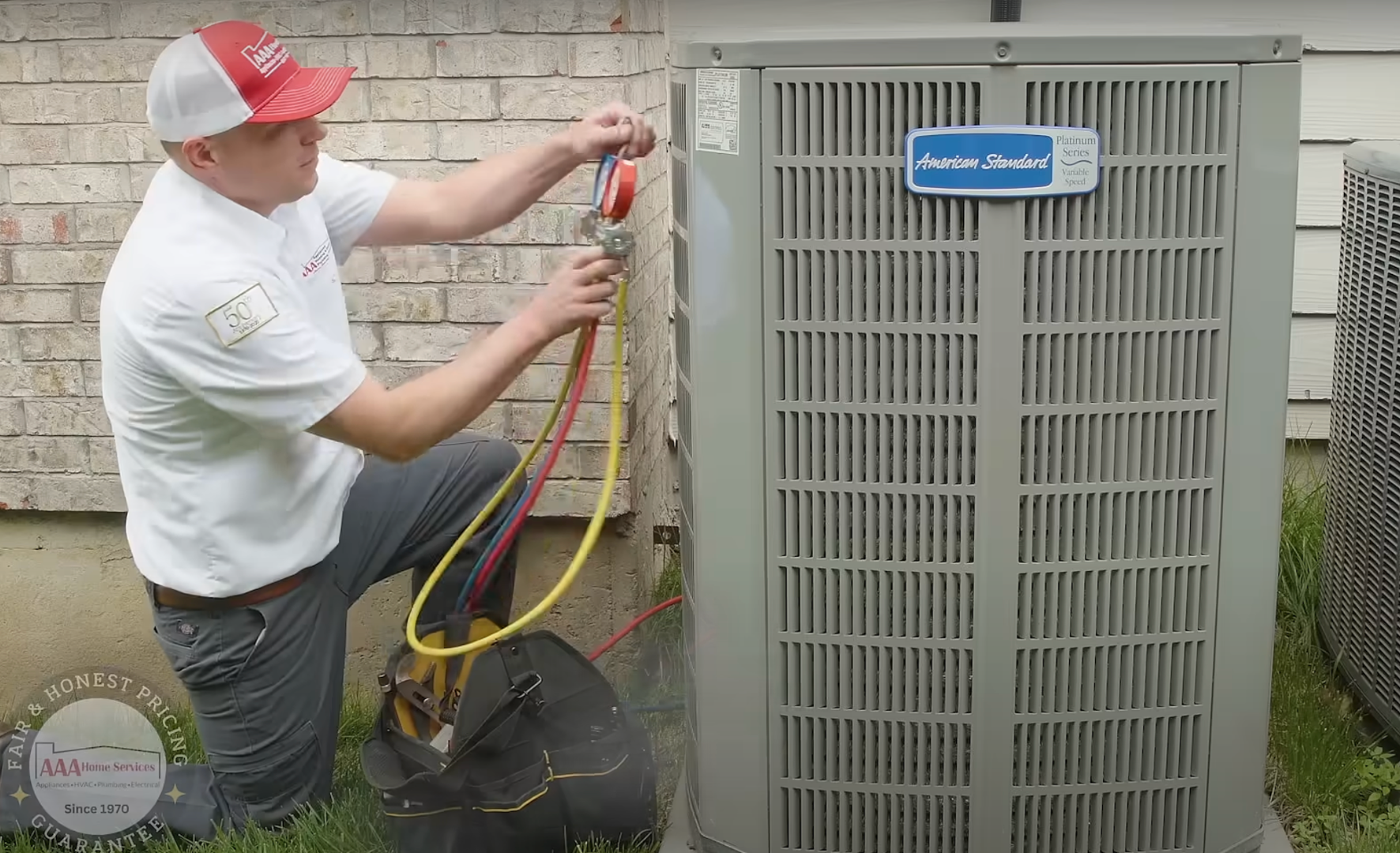
The indoor unit has a washable filter that needs cleaning every few weeks during heavy use. If you skip this, airflow drops, efficiency tanks, and the unit eventually freezes up. The outdoor unit's coils need to be kept clear of debris. The condensate drain needs to be checked for blockages. And the refrigerant charge should be verified by a technician periodically — a slow leak won't trigger any obvious alarm, but it will degrade performance gradually.
Annual professional maintenance is worth scheduling, especially heading into a Missouri summer. The St. Charles service area team at AAA can check refrigerant levels, inspect electrical connections, and clean coils in a way that a homeowner doing a quick filter rinse cannot.
When a Mini-Split Is the Right Answer
Ductless systems genuinely shine in specific scenarios:
- Room additions or converted spaces (finished basements, sunrooms, garages) where extending existing ductwork would be expensive or impractical
- Older homes without ductwork that need a full heating and cooling solution
- Spaces with one occupant who needs different temperature control from the rest of the house
- Supplemental heating or cooling in a room that the central system never quite reaches
Where they're less compelling: homes that already have functional ductwork in decent shape. In that case, upgrading the central system is usually more cost-effective than replacing it with individual wall units in every room.
The Commission Question
Many home service companies pay their technicians on commission, which creates an obvious incentive to recommend more expensive equipment. AAA technicians do not work on commission. When one of our techs tells you a mini-split is or isn't right for your situation, they're giving you their honest read — not working toward a sales target.
If you have questions about whether a ductless system makes sense for your home in St. Charles County, reach out to AAA Home Services at (636) 397-3200 . We'll give you the actual answer, not the one that's easiest to sell.
Frequently Asked Questions
Can a mini-split heat my home through a Missouri winter?
A standard mini-split loses efficiency below 25°F, which Missouri winters regularly reach. Cold-climate (hyper-heat) models perform much better in low temperatures. If you're relying on a mini-split as your primary heat source, make sure the system is rated for cold-weather operation and properly sized for your home's heat load.
How many mini-split units does a house need?
It depends on the layout and size of the home. Each indoor unit conditions one zone — typically one room or open area. A 2,000 sq ft home with multiple separate rooms might require 4–6 indoor units connected to one or more outdoor compressors. A multi-zone system like this is more complex and expensive than it sounds during the initial pitch.
Are mini-splits more energy efficient than central HVAC?
They can be, particularly when you're only conditioning occupied zones rather than the whole house. However, efficiency gains depend heavily on how the system is used. If every zone is running all the time, the advantage narrows. The efficiency math also changes if you're in a climate with temperature extremes, like Missouri.
How long do ductless mini-splits last?
With proper maintenance, most mini-split systems last 15–20 years. Skipping annual service significantly shortens that lifespan. The outdoor compressor tends to be the most vulnerable component, especially if it's exposed to the elements without adequate protection.
Can I install a mini-split myself?
The physical mounting of the indoor unit is something a skilled DIYer might manage, but the refrigerant connections require an EPA 608 certification to handle legally. Improper refrigerant work voids the equipment warranty and can damage the system. The electrical work typically requires a permit and inspection. Professional installation is the right call.
What's the cost of a mini-split system in St. Charles, MO?
Single-zone systems typically start around $3,000–$5,000 installed. Multi-zone systems can run $7,000–$15,000 or more depending on the number of indoor units, the home's electrical situation, and the complexity of the line set routing. Get a detailed written quote that includes all electrical and permit costs before committing.