
What Makes Someone an Authorized American Standard Dealer — And Why the Difference Is Real
What Makes Someone an Authorized American Standard Dealer — And Why the Difference Is Real
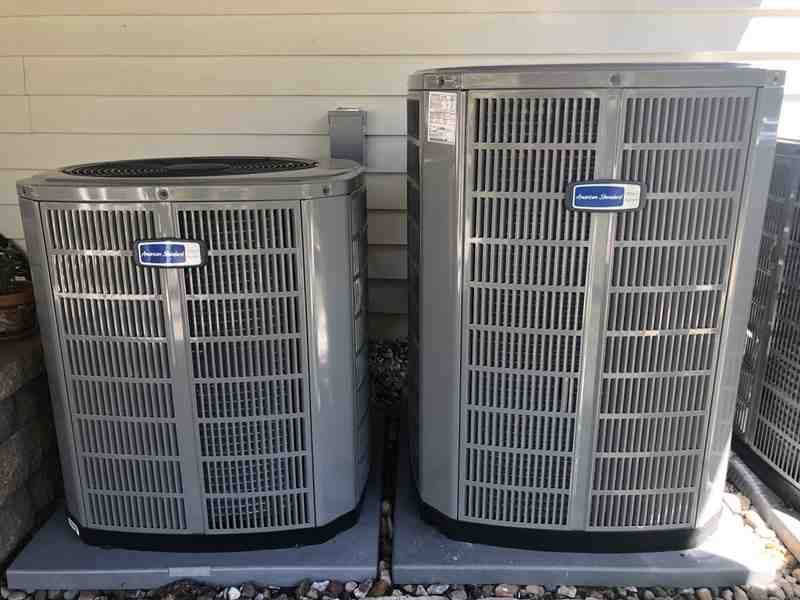
When you're replacing a furnace or air conditioner, the brand name on the equipment is only part of the equation. The other part — the part that determines whether your warranty holds up, whether the installation is done correctly, and whether you have anyone to call when something goes wrong three years from now — is who installs it.
"Authorized dealer" gets used loosely in the HVAC industry. Here's what it actually means for American Standard, and why it matters more than the term suggests.
What Dealer Authorization Actually Requires
American Standard authorizes dealers through a program that has real requirements — it isn't a rubber stamp for any contractor willing to carry the product line.
Authorized dealers must maintain technicians who have completed American Standard's factory training program. This training goes beyond general HVAC certification; it covers the specific design, components, and diagnostic procedures for American Standard equipment. A technician who knows HVAC generally but hasn't been trained on a particular product line will take longer to diagnose problems, is more likely to misidentify component failures, and may not know about model-specific quirks or technical service bulletins.
Dealers also must maintain a relationship with American Standard's distributor network, which means access to genuine manufacturer parts rather than generic substitutes. When a component needs to be replaced under warranty, using genuine parts matters — both for the repair itself and to avoid warranty complications down the line.
The Warranty Implications Are Significant
This is the piece that surprises homeowners most: buying American Standard equipment from an unauthorized installer can void or limit the manufacturer's warranty.
American Standard's extended warranty coverage — which can run 10 years on parts for registered equipment — applies when the equipment is installed by an authorized dealer. When installation is done by someone outside that network, you may still have a base warranty, but the enhanced coverage that represents the real value of the warranty program may not apply.
Registering your equipment with American Standard after installation (typically within 60 days of install date) is required to activate that extended coverage. An authorized dealer handles this as part of the installation process. Ask any contractor you're considering whether they register equipment on the customer's behalf — if they look uncertain, that tells you something.
What Factory-Trained Actually Means in Practice
When a system isn't performing correctly — undershooting the set temperature, cycling oddly, producing unusual sounds — the diagnostic process matters. A technician working from general knowledge will run through a generic checklist. A technician trained on your specific equipment knows where to look first, what failure modes are common in that product line, and how to distinguish a refrigerant issue from a control board issue from an airflow restriction in far less time.
That translates directly to lower diagnostic costs and faster resolution. It also means fewer parts replaced speculatively — "let's try this and see if it fixes it" is significantly more expensive when you're paying for components.
AAA Home Services is an authorized American Standard dealer serving St. Charles County and the greater St. Louis area. Our heating and cooling team includes factory-trained technicians who work on American Standard equipment specifically — not just HVAC in general.
How to Verify a Dealer's Authorization Status
American Standard maintains a dealer locator on their website where you can search by zip code and confirm whether a specific contractor appears in their authorized network. If a contractor claims authorization but doesn't appear in the locator, ask them to explain the discrepancy before signing anything.
Questions worth asking any contractor before agreeing to an installation:
- Are you currently authorized by American Standard as a dealer?
- Will my equipment be registered with the manufacturer after installation?
- Which of your technicians are factory-trained on this product line?
- Do you use genuine American Standard parts for warranty repairs?
- What's your service response time if the system has an issue in the first year?
A contractor who hesitates or deflects on any of these questions is giving you information worth paying attention to.
The Commission Structure Behind HVAC Recommendations
Many home service companies pay their technicians on commission based on what they sell, which creates an obvious incentive to recommend higher-cost equipment regardless of what a home actually needs. AAA technicians do not work on commission. When our team recommends a specific system — American Standard or otherwise — it's based on your home's actual requirements, not on what generates the highest ticket.
That also means if a repair makes more sense than a replacement, we'll say so. A commission structure rewards replacement; an hourly structure doesn't have a preference.
Serving St. Charles County as an Authorized Dealer
AAA Home Services has served St. Charles County for decades. Our authorization as an American Standard dealer means that when we install a system, the manufacturer warranty applies fully — and when equipment needs service, our technicians know the product.
If you're comparing quotes for a new system or have questions about whether your current American Standard equipment is covered under warranty, contact us at (636) 397-3200 . We'll give you a straight answer on what you're looking at.
Frequently Asked Questions
What is an American Standard authorized dealer?
An authorized American Standard dealer is a contractor who has met American Standard's requirements for dealer status, including having factory-trained technicians and maintaining a relationship with the manufacturer's distributor network. Authorized dealers can access genuine parts, register equipment for full warranty coverage, and provide installation that meets manufacturer standards.
Does it matter who installs my American Standard equipment for the warranty?
Yes, significantly. American Standard's extended warranty coverage — which can reach 10 years on parts — applies when equipment is installed by an authorized dealer. Installation by an unauthorized contractor may limit you to base warranty coverage only, which is much shorter. Always confirm your installer's authorization status before purchase.
How do I register my American Standard equipment for warranty coverage?
Equipment must be registered with American Standard, typically within 60 days of the installation date, to activate extended warranty coverage. An authorized dealer should handle this registration as part of the installation process. Ask your contractor explicitly whether they register the equipment on your behalf.
Can any HVAC technician service my American Standard system?
Any licensed HVAC technician can work on your system, but factory-trained technicians have product-specific knowledge that makes diagnosis faster and more accurate. For warranty repairs, using an authorized dealer with genuine parts is important — repairs made with non-genuine components can complicate warranty claims.
How do I verify that a contractor is an authorized American Standard dealer?
American Standard maintains a dealer locator on their website. Search by zip code to find authorized dealers in your area and confirm whether a specific contractor appears in the network before agreeing to a purchase or installation.
What's the difference between American Standard and Trane equipment?
American Standard and Trane are manufactured by the same parent company and share much of their core engineering and component design. The primary differences are branding and distribution channel — American Standard is sold through independent dealers while Trane has a somewhat different dealer network. Performance and reliability are comparable across equivalent product tiers.