

Meet Your Enemy: How Everyday Gunk Turns Into a Blockage
Understanding what causes drain clogs helps you prevent them and choose the right cleaning method. Most residential drain problems stem from a combination of FOG (fat, oil, grease) buildup, hair tangles, soap scum, and food scraps that accumulate over time.
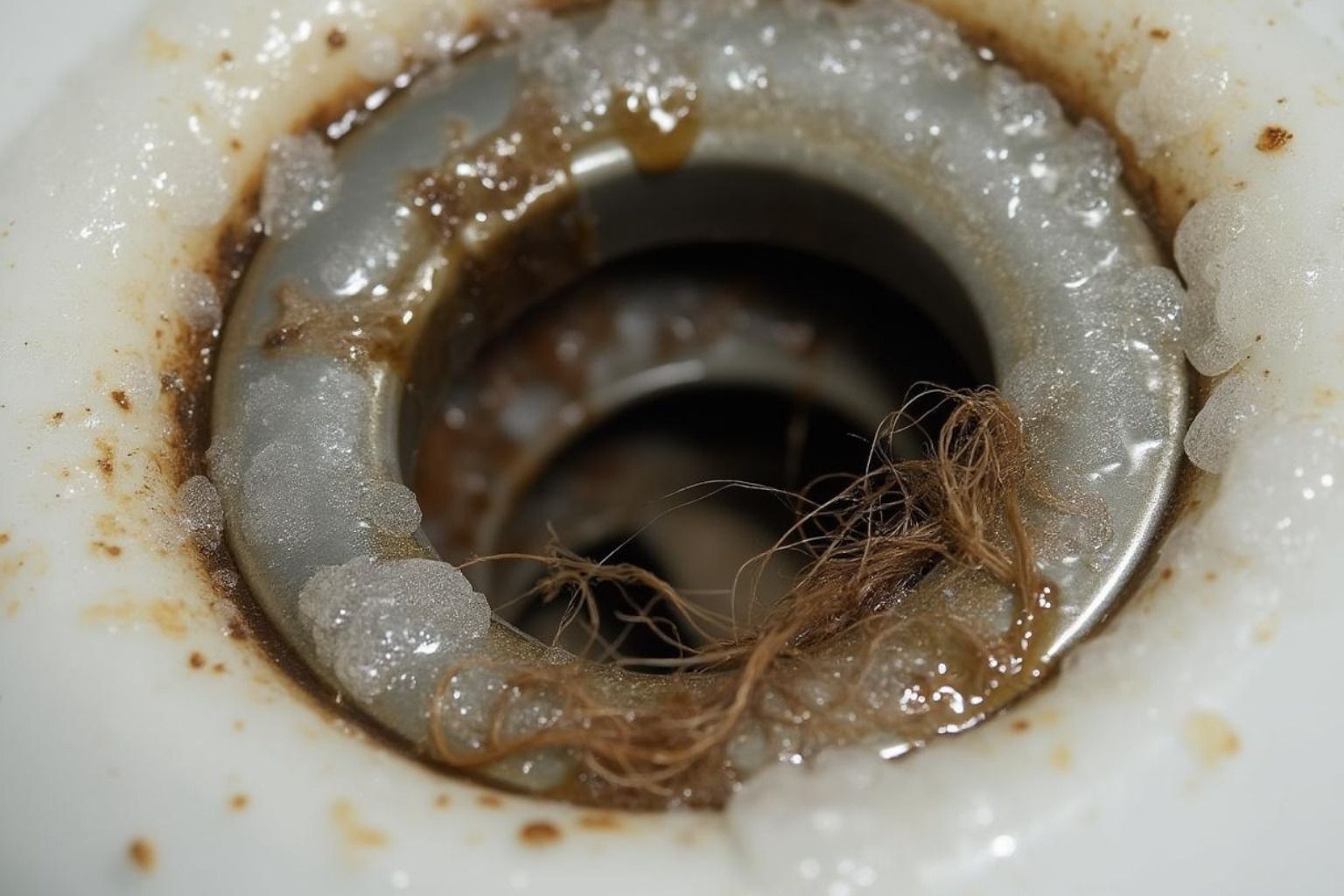
When these materials combine, they create a sticky matrix that traps more debris. Hair acts like a net, catching soap particles and food waste. Meanwhile, oils and fats cool and solidify inside pipes, creating a concrete-like barrier that restricts water flow.
The science behind this process involves surfactants – compounds that help water mix with oils. When your drain lacks proper surfactants (like those found in dish soap), grease and water separate, allowing fats to stick to pipe walls instead of flowing away.
Why Drains Get Clogged in Kitchens vs. Bathrooms
Kitchen and bathroom drains face different challenges. Kitchen sinks battle grease hardening from cooking oils, coffee grounds that clump together, and food particles that create sticky masses. When hot grease hits cool pipes, it solidifies quickly, creating the foundation for future clogs.
Bathroom drains deal with shampoo residue that combines with hair to form tough tangles, toothpaste film that builds up over time, and soap scum that coats pipe walls. The combination of hair and soap creates particularly stubborn blockages that require mechanical removal or strong chemical reactions to dissolve.
Spot the Warning Signs Early
Recognizing early warning signs helps you address problems before they become major blockages. Listen for gurgling sounds when water drains – this indicates air trapped by partial blockages. Foul odors coming from drains suggest decomposing organic matter stuck in pipes.
Water backing up during use is the most obvious sign of trouble. If water pools in your sink or shower, or if it drains very slowly, you’re dealing with a significant blockage that needs immediate attention.
Why Baking Soda and Hot Water for Clogged Drain Works
Ever wondered if that simple box of baking soda in your pantry could be a secret weapon against pesky drain clogs? Well, you’re in luck! Using baking soda and hot water for clogged drain issues is a wonderfully effective, eco-friendly solution. It’s like a dynamic duo, combining a gentle chemical reaction with a bit of physical persuasion.
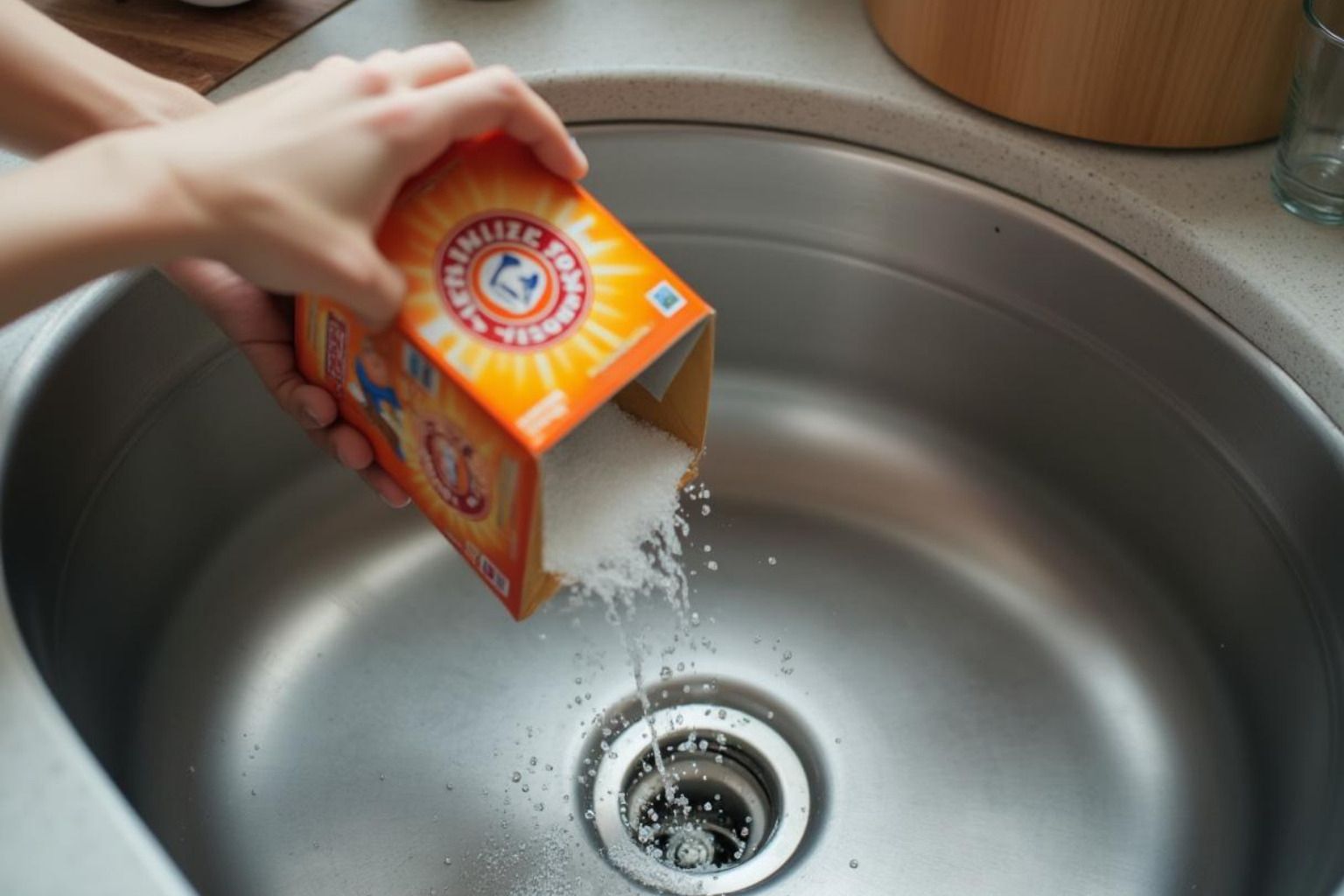
The magic really happens thanks to a simple acid-base reaction. When baking soda meets the acidic grime lurking in your pipes, it creates a fizzing party! These tiny CO₂ bubbles aren’t just for show; they create a gentle, bubbling pressure that helps loosen and dislodge stubborn bits of gunk. And don’t worry about your pipes – the gentle heat from the hot water is just enough to soften grease and soap scum, all without harming common PVC pipes .
One of the best things about this natural approach? It’s safe for practically all pipe materials. Unlike those harsh, store-bought chemical drain cleaners that can be really tough on older metal pipes or even soften your plastic ones, using baking soda and hot water for clogged drain issues is a much gentler way to protect your plumbing while still tackling those annoying clogs. It’s truly a win-win!
Step-by-Step: Using Baking Soda and Hot Water for Clogged Drain
Ready to give it a try? Here’s your simple, step-by-step guide to using baking soda and hot water for clogged drain cleaning. You’ll need about ½ cup baking soda , roughly 2 cups of near-boiling water (remember, not fully boiling, especially for PVC!), a drain plug or cloth , and optionally, a tablespoon of dish soap.
Here’s how to do it:
- Clear the way: First, try to remove any standing water from your sink. You want the baking soda to get right to the clog.
- Add the star: Pour your ½ cup baking soda directly into the drain opening.
- Heat things up (carefully!): Now, gently heat your water until it’s just about to boil – aiming for around 175°F is perfect for PVC pipes .
- Pour and watch: Slowly and carefully pour the hot water down the drain. You might hear a little fizzing sound – that’s the magic starting!
- Seal the deal: Quickly cover the drain with a plug or a cloth. This helps contain the bubbling reaction and pushes the solution deeper into the clog.
- Patience, young grasshopper: Let the mixture sit and work its wonders for 15-30 minutes . You can even let it sit longer for tougher clogs, like overnight.
- Flush it out: Finally, remove the plug and flush the drain with hot tap water for a couple of minutes to wash away the loosened debris.
Pro Tip for Grease: If you suspect a greasy clog, try adding about 1 tablespoon of dish soap to the hot water before you pour it down. Dish soap is a fantastic surfactant, helping to break down grease even more effectively!
If your drain is still putting up a fight after a few tries, don’t fret! Sometimes clogs are just too stubborn for DIY fixes. That’s when it’s time to call in the pros. AAA Home Services’ drain cleaning specialists are experts at tackling even the toughest blockages, getting your water flowing freely again.
The Chemistry Behind Baking Soda and Hot Water for Clogged Drain
It’s always fun to peek behind the curtain and understand why things work! The effectiveness of using baking soda and hot water for clogged drain problems really comes down to some neat chemistry.
Baking soda, scientifically known as sodium bicarbonate, is a mild base. When it meets the acidic grime that often accumulates in drains from food waste or soap scum, it kicks off a gentle neutralization reaction. This reaction produces those lovely carbon dioxide (CO₂) gas bubbles we talked about.
These CO₂ bubbles do more than just fizz; they create a gentle pressure release and agitation, physically helping to break apart and loosen the clog. Think of it as a mini, gentle scrubbing action right inside your pipes! The hot water isn’t just a bystander either; it’s a crucial partner. It helps soften grease and soap buildup, making it much easier for the bubbling action to dislodge and clear the debris.
And here’s where dish soap, if you choose to use it, plays its part. Dish soap acts as a surfactant . This means it reduces the surface tension between water and oils. So, instead of grease clinging stubbornly to your pipe materials , the hot water can effectively mix with and carry away the dissolved grease, preventing it from re-solidifying further down the line. Pretty clever, right?
Safety Tips for Baking Soda and Hot Water for Clogged Drain
While using baking soda and hot water for clogged drain issues is generally very safe, a little caution goes a long way. Let’s make sure you stay safe and sound while getting your drains clear.
The Golden Rule for PVC: Never, ever use fully boiling water, especially if you have PVC pipes . Water hotter than 175°F can actually soften and damage plastic pipes. For older metal pipes, you can go a bit hotter, but it’s always a good idea to start with near-boiling and test a small amount first to be safe.
Protect yourself: Always remember to wear protective gloves when handling hot water and any cleaning materials. The combination of heat and alkaline baking soda can be a bit irritating to your skin.
Keep kids safe: If you have little ones running around, make sure all your cleaning supplies, including that box of baking soda, are stored securely in cabinets with child safety locks. We want to prevent any accidental ingestion.
Never mix: This is super important: NEVER mix your baking soda treatment with commercial drain cleaners or bleach. Seriously, don’t do it! Combining these can create dangerous chemical reactions, releasing toxic gases or causing violent, caustic splashes. Stick to one method at a time for safety.
Beyond the Bubbles: Preventive Habits & Backup Solutions
Prevention remains the best strategy for avoiding drain clogs. Regular maintenance using baking soda and hot water for clogged drain prevention can keep your pipes flowing smoothly year-round.
Flush With Hot Water Every Week
Weekly hot-water flushes prevent FOG buildup before it becomes problematic. Every Sunday, run hot tap water down all drains for 2-3 minutes. This simple maintenance dissolves soap residue and flushes away small particles before they accumulate.
For kitchen sinks, follow your weekly flush with a monthly baking soda and hot water for clogged drain treatment. This preventive approach costs pennies compared to professional drain cleaning services.
Install Drain Strainers & Mind Your Disposal
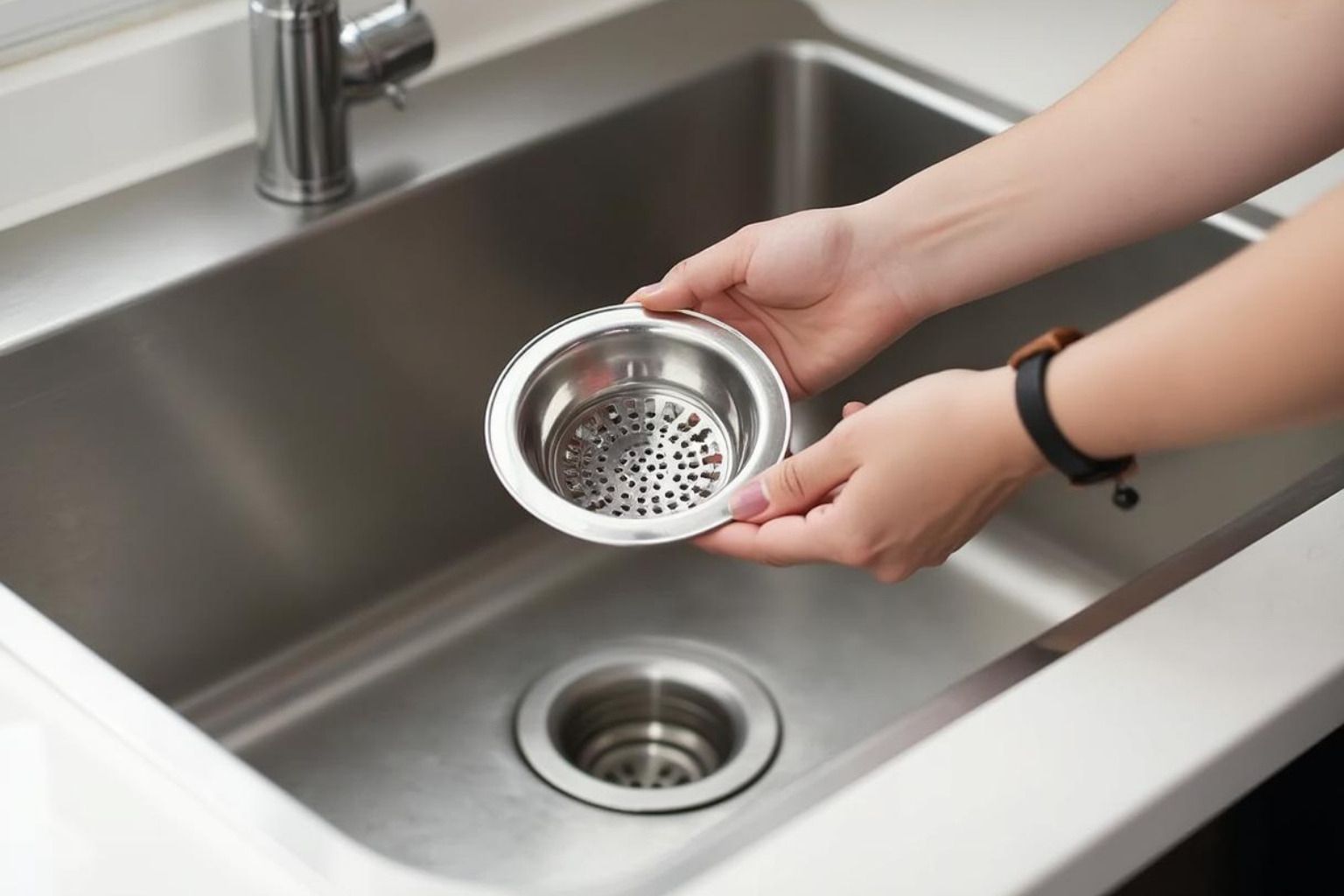
Drain strainers catch hair, food particles, and other debris before they enter your pipes. Clean strainers weekly and replace them when they become damaged or clogged.
When using garbage disposals, always run cold water – not hot. Cold water solidifies fats so the disposal can chop them effectively, while hot water melts grease and allows it to coat pipes downstream. Never put coffee grounds, eggshells, or grease down any drain, even with a disposal.
Compost grease and food scraps instead of washing them down drains. Watch what you pour down your drains to prevent future problems.
When Natural Fixes Aren’t Enough
Sometimes baking soda and hot water for clogged drain treatment isn’t sufficient for severe blockages. When natural methods fail, you have several options before calling professionals.
Try a toilet plunger designed for drains – the suction can dislodge stubborn clogs. For hair-based clogs, a drain snake or bent coat hanger can physically remove tangled debris. Enzyme-based cleaners work slowly but effectively on organic matter.
If these methods don’t work, or if you’re dealing with recurring clogs, it’s time for professional help. Clogged drains get fixed quick with AAA because our experienced technicians have specialized tools and expertise to handle even the most stubborn blockages.
Frequently Asked Questions about Natural Drain Cleaning
Does baking soda really clear grease?
Yes, baking soda and hot water for clogged drain cleaning does work on grease, but it’s not a miracle cure for every situation. Think of it as your gentle first line of defense against light to moderate grease buildup.
The alkaline nature of baking soda helps break down acidic components that often mix with grease in your pipes. When you combine this with hot water, you’re essentially melting and loosening the greasy mess that’s been building up over time.
Here’s the honest truth though – if you’re dealing with heavy grease clogs from years of cooking oil going down the drain, you might need something stronger. Hot water mixed with dish soap actually outperforms baking soda alone for serious grease problems because the surfactants help water grab onto dissolved grease and carry it away.
How hot should the water be?
The temperature of your water makes a huge difference, but you need to know what type of pipes you have before cranking up the heat. Baking soda and hot water for clogged drain treatments work best when you get the temperature just right.
For homes with PVC pipes (which includes most newer construction), keep your water below 175°F. Going hotter can actually soften plastic pipes and cause expensive damage. A good rule of thumb is to let boiling water cool for 2-3 minutes before pouring it down the drain.
If you have older metal pipes, you can use hotter water, but start moderate and work your way up. The goal is finding that sweet spot where you’re melting grease and soap buildup without turning your plumbing into a costly repair project.
Will this harm my septic system?
Good news for septic system owners – baking soda and hot water for clogged drain cleaning is generally safe for your system. Unlike harsh chemical cleaners that can kill the beneficial bacteria your septic tank needs to function properly, baking soda is mild and breaks down naturally.
That said, moderation is key. Using this method occasionally won’t hurt anything, but overdoing it can temporarily throw off the bacterial balance in your septic tank. The increased alkalinity disrupts things briefly, though normal levels usually bounce back quickly.
If you’re dealing with frequent clogs that require repeated treatments, that’s a sign of a bigger problem. Rather than repeatedly treating symptoms, it might be time to have a professional diagnose what’s really going on with your drains.
Conclusion

Baking soda and hot water for clogged drain problems provides an effective, safe, and economical solution for most minor to moderate blockages. This natural method protects your pipes while clearing grease, soap scum, and food particles that cause everyday clogs.
Remember these key points:
- Use ½ cup baking soda with 2 cups near-boiling water
- Wait 15-30 minutes for the reaction to work
- Add dish soap for grease clogs
- Prevent future problems with weekly hot-water flushes
- Install drain strainers to catch debris
For persistent clogs that don’t respond to natural methods, don’t hesitate to call professionals. AAA Home Services can often provide same-day or next-day service to restore your drains to proper working order. Our experienced technicians have the tools and expertise to handle even the most stubborn blockages safely and effectively.
Ready to get your drains flowing smoothly again? Request service from AAA Home Services today and let our skilled professionals take care of your plumbing needs.
The post Baking Soda Magic: Clear Your Clogged Drain Naturally appeared first on AAA Home Services.