

Understanding Indoor Air Pollution in Your Home
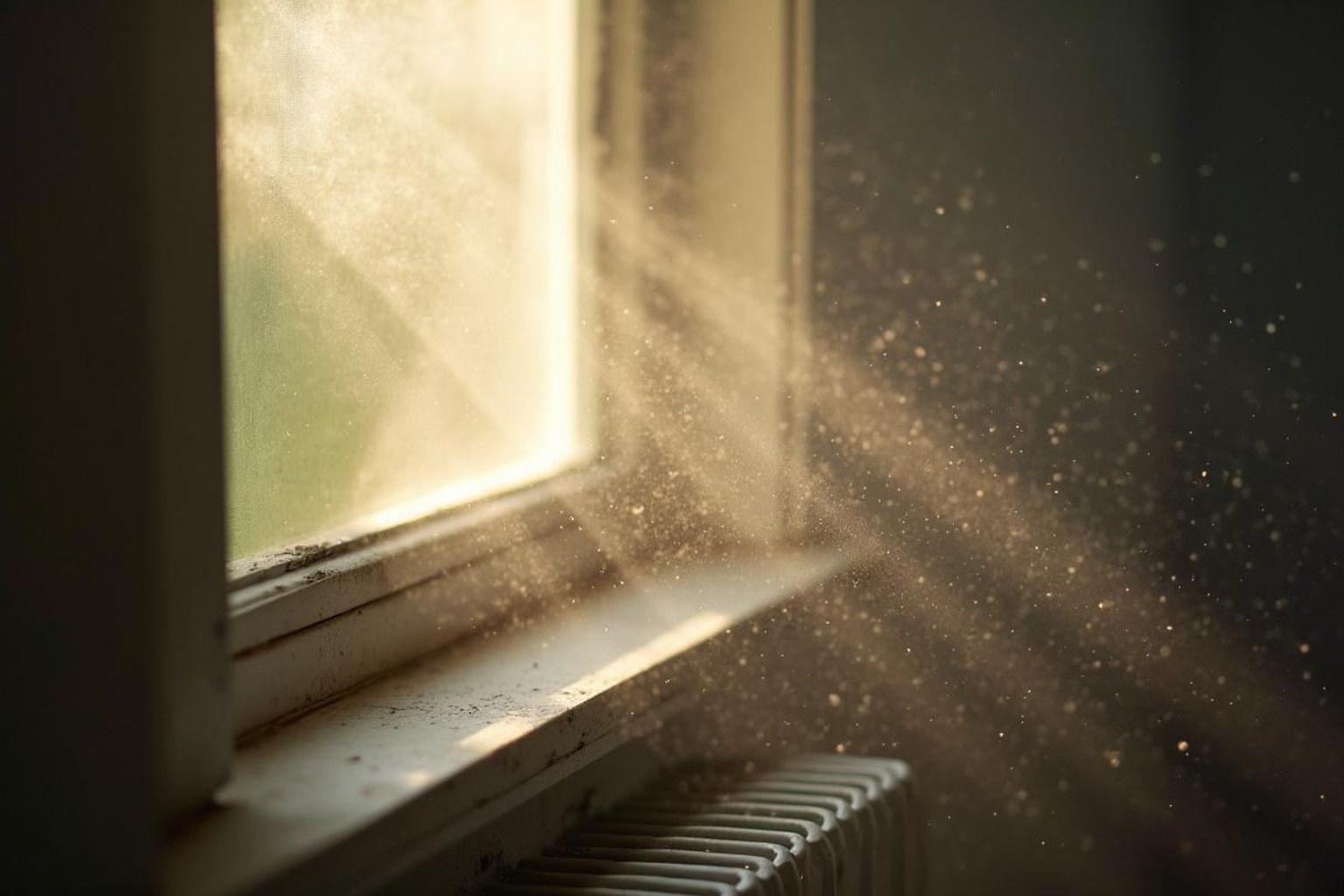
Why Indoor Air Quality Matters More Than You Think
When most people search to define indoor air pollution , they’re usually dealing with stuffy air, strange odors, or family members experiencing unexplained respiratory issues. Here’s what you need to know:
Indoor air pollution is the contamination of air inside buildings and enclosed spaces by harmful substances including:
- Fine particles (PM2.5) from cooking and combustion
- Volatile organic compounds (VOCs) from cleaning products and furniture
- Carbon monoxide from gas appliances
- Biological contaminants like mold and dust mites
- Radon gas seeping from soil
The shocking reality? Indoor air can be 2-5 times more polluted than outdoor air – and sometimes up to 100 times worse. This matters because Americans spend approximately 90% of their time indoors, making indoor air quality a critical health concern.
According to the World Health Organization, indoor air pollution causes 3.2 million premature deaths annually worldwide . Even in developed countries like the United States, poor indoor air quality contributes to respiratory diseases, cardiovascular problems, and reduced cognitive function.
This guide will walk you through everything you need to know about indoor air pollution – from identifying common sources in your home to understanding when professional help is needed. We’ll cover practical solutions that work for busy homeowners in the Greater St. Louis area.
I’m Dan Walsh, and I’ve spent years managing home repair services and helping homeowners tackle indoor air quality issues. My experience working with technicians and servicing clients has taught me that many people don’t fully understand how to define indoor air pollution until it starts affecting their family’s health.
Simple guide to define indoor air pollution :
Why You Should Care Today
We spend a significant portion of our lives inside our homes – approximately 80-90% of our time, according to various studies from organizations like the EPA and WHO. This statistic alone highlights why indoor air quality (IAQ) is not just a passing concern, but a critical factor in our overall health and well-being. The World Health Organization (WHO) estimates that poor indoor air quality was linked to approximately 3.2 million deaths globally in 2020, including 237,000 children under five. This underscores the severe burden poor indoor air quality places on global health.
You might have heard of “sick building syndrome,” where occupants experience acute health and comfort effects that seem to be linked to time spent in a building, but no specific illness or cause can be identified. Symptoms often include headaches, dizziness, nausea, eye, nose, or throat irritation, and fatigue. These effects typically improve when you leave the building. While this phenomenon is more commonly discussed in office settings, the principles apply to our homes too. If you or your family members frequently experience these symptoms when at home, it could be a sign that your indoor air quality needs attention. Our goal at AAA Home Services is to help homeowners in the St. Louis, St. Charles, and Warren County areas breathe easier and live healthier lives.
Define Indoor Air Pollution – What It Is & Why It’s Different
When we talk about what it means to define indoor air pollution , we’re really looking at the air inside our cozy homes and other enclosed spaces. Think of it this way: outside, the wind and vast open spaces help spread out pollutants. But inside our homes, it’s a different story.
In our confined residential spaces , those pesky pollutants don’t have anywhere easy to go. They can’t just blow away! This means they tend to build up , sometimes reaching concentrations much higher than what you’d find outdoors. While some outdoor air pollution can definitely sneak its way in, a surprising amount of what contaminates our indoor air actually starts right inside, from our everyday activities and even the materials our homes are made of.
It might surprise you to learn that indoor air pollution can often be 2 to 5 times higher than outdoor air pollution , and in some cases, it can be up to 100 times worse! Why is this? Well, modern homes are often built to be super energy-efficient. That’s great for keeping your heating and cooling bills down, but it can also mean that the outdoor exchange limits are tighter, effectively trapping those pollutants inside.
Let’s break down the key differences between the air quality inside and outside your home:
| Comparison | Indoor Air Pollution | Outdoor Air Pollution |
|---|---|---|
| Primary Location | Within homes, offices, schools | Outside, in the general atmosphere |
| Main Sources | Household products, cooking, heating, building materials, human activities, pets | Vehicle emissions, industrial factories, power plants, agricultural activities, wildfires |
| Concentration | Often 2-5 times higher than outdoors, sometimes up to 100 times higher due to lack of ventilation | Varies based on location, industrial activity, weather patterns |
| Exposure Time | People spend 80-90% of their time indoors, leading to prolonged exposure | Exposure is typically intermittent, depending on outdoor activities |
| Key Pollutants | VOCs, mold, radon, CO, secondhand smoke, PM2.5, formaldehyde, allergens | Ozone, particulate matter, nitrogen oxides, sulfur dioxide, carbon monoxide |
Define Indoor Air Pollution in Simple Terms
Simply put, to define indoor air pollution is to describe the presence of any harmful or irritating substances floating around in the air inside your house. You could think of it as your home’s air feeling a bit “sick” with things that just shouldn’t be there. These are often trapped contaminants that are tricky because they can be invisible and odorless, making them sneaky culprits behind health issues. They crop up from our everyday household activities , like whipping up dinner, cleaning the bathroom, or even just having furry friends around. Since our homes are designed to keep the outside world out, they can unfortunately also keep these pollutants in, allowing them to gather and become more concentrated.
Scientific Perspective to Define Indoor Air Pollution
From a more scientific angle, to define indoor air pollution means identifying and measuring a complicated mix of airborne contaminants that hang out in our built environments. The World Health Organization (WHO) actually provides detailed guidelines for indoor air quality, setting benchmarks for different pollutants. Studies, including those by the EPA, consistently show that levels of many air pollutants are significantly higher indoors than they are outdoors.
It’s not just about what gets released into the air; it’s also about what we call indoor chemistry . This is where pollutants can actually react with each other and with surfaces in your home, sometimes forming brand new compounds that could be even more harmful. For example, common cleaning chemicals might mix with ozone (which can drift in from outside or be created by certain indoor appliances) to create secondary pollutants. Understanding these complex interactions is a big piece of the puzzle when it comes to effectively improving your home’s air quality. For more detailed scientific research on household air pollution, you can check out the WHO’s fact sheet.
Main Sources & Common Home Pollutants
Our homes are our sanctuaries, places where we relax, eat, and spend time with loved ones. But did you know that these very spaces, while havens of comfort, are also busy hubs of activity that can generate a surprising array of air pollutants? Understanding where these hidden contaminants come from is the first big step toward creating a healthier indoor environment for your family.
So, what exactly is lurking in our indoor air? When we define indoor air pollution , we’re often talking about things you can’t see or smell, but that come from everyday activities and items right inside your home.
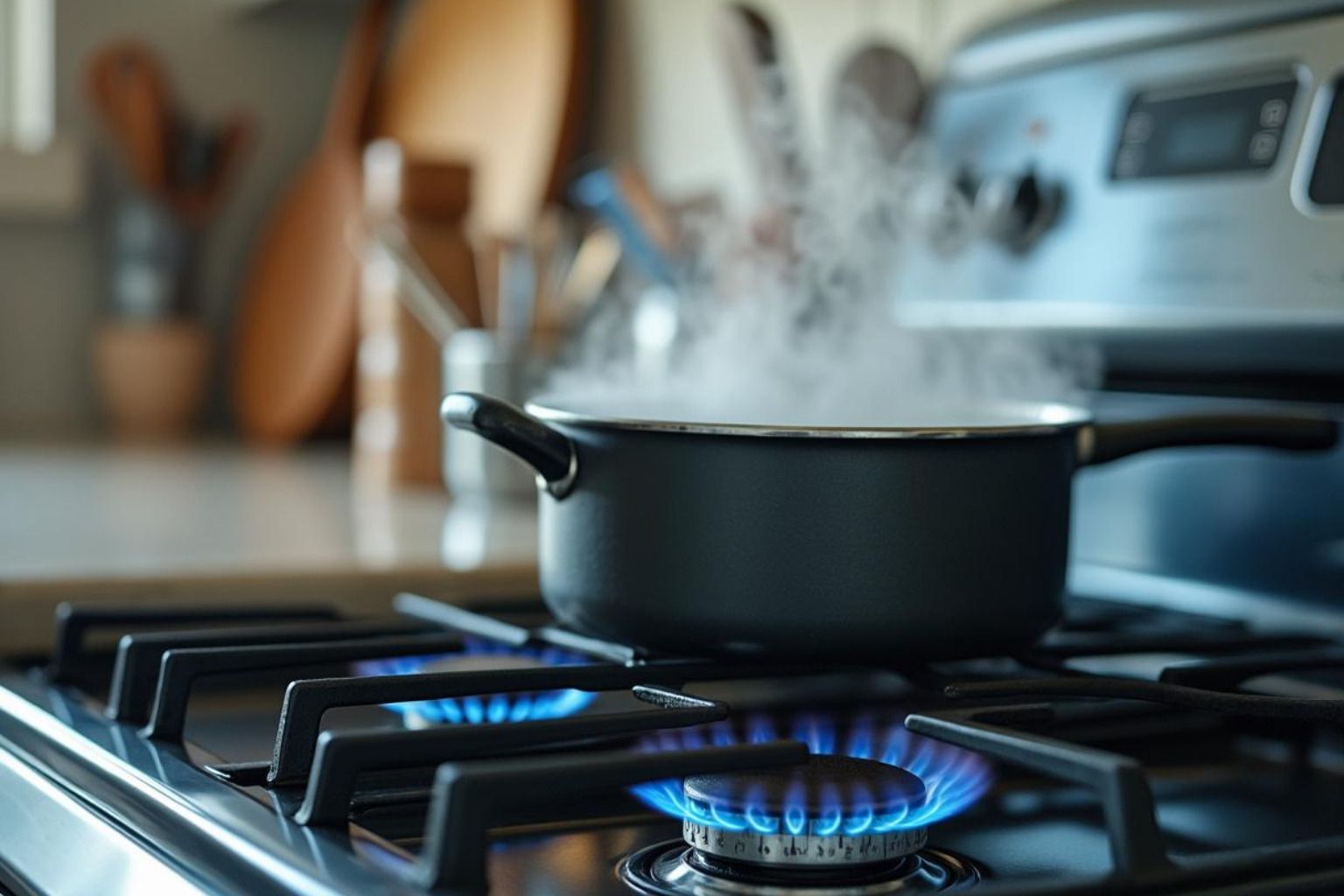
One major category comes from combustion . Think about cooking dinner on your gas stove – that delicious smell isn’t the only thing floating around! Gas stoves, ovens, and even electric stovetops can release tiny particles (known as PM2.5 ), nitrogen dioxide (NO2), and carbon monoxide (CO). The simple act of preparing a big meal can temporarily make your indoor air quality worse than a busy city street! Tobacco smoke, if present, is another huge source, packed with thousands of harmful chemicals. Even cozy wood stoves, fireplaces, and burning candles or incense add to the mix, releasing particulate matter and other gases.
Then there are Volatile Organic Compounds (VOCs) . These are gases that “off-gas” or evaporate from many common household items. That “new car smell” or the scent of fresh paint? Those are VOCs! They come from paints, varnishes, many cleaning products, air fresheners, and even new furniture and carpets. Some building materials , especially pressed wood products like particleboard, can release formaldehyde, a common VOC.
Another silent culprit is radon . This is a naturally occurring radioactive gas that seeps up from the ground through cracks in your home’s foundation. It’s completely odorless and invisible, making it impossible to detect without special testing. Radon is a serious health concern, being the second leading cause of lung cancer in the U.S.
Our homes can also harbor biological pollutants . These include mold spores , which absolutely love damp, humid conditions found in bathrooms, basements, or leaky areas. Mold can trigger allergies and asthma. Dust mites , tiny creatures that thrive in warm, humid spaces, and pet dander from our furry friends are also common allergens. Even microplastics , tiny plastic particles shed from our clothes and carpets, are becoming an emerging concern as they become airborne and can be inhaled.
Combustion & Heating Equipment
When we talk about things that burn in our homes, like wood stoves or gas ranges, we’re talking about significant sources of indoor air pollution. While a cozy fire or a quick meal on the stove might seem harmless, these activities release harmful gases and particles directly into your living space. Wood stoves, if not properly maintained or vented, can dramatically increase the amount of fine particulate matter and dangerous carbon monoxide (CO) in your home. Gas ranges, found in so many homes, release nitrogen dioxide and CO.
Carbon monoxide is especially dangerous because it’s an odorless, colorless gas. It can cause headaches, dizziness, nausea, and even be deadly in high concentrations. This is why having properly installed and regularly serviced appliances is so important. Ensuring your gas appliances are correctly adjusted and vented by a trained professional, like the experts at AAA Home Services, is a crucial step in keeping your family safe.
Consumer Products & Off-gassing
Take a moment to look around your home. From the cleaning products under your sink to that new piece of furniture you just bought, countless items are constantly releasing small amounts of chemicals into the air. This process is called “off-gassing,” and the chemicals released are often those Volatile Organic Compounds (VOCs) we mentioned earlier.
VOCs can cause immediate issues like eye, nose, and throat irritation, and headaches. Over time, exposure to certain VOCs can even affect your liver or nervous system. Many common household cleaners are packed with VOCs, as are paints, varnishes, and adhesives. Even seemingly innocent items like air fresheners and some personal care products contribute. When you’re shopping for new items, look for products with “low-VOC” or “green-label” certifications. Simple swaps, like using natural cleaners made from vinegar or baking soda, can greatly reduce the amount of VOCs in your home’s air.
Biological & Emerging Threats
Our homes can also become thriving environments for biological pollutants. Mold , for instance, is a very common issue, especially where there’s excess moisture or dampness from leaks, high humidity, or poor ventilation. Mold spores can trigger allergies, asthma attacks, and other respiratory problems. That’s why addressing any water leaks or areas of high humidity promptly is so important – a dry home is a healthier home! Dust mites , those tiny, unseen creatures that feed on dead skin cells, are another major allergen, particularly common in bedding and carpets.
Beyond these well-known biological agents, we’re also facing emerging threats. One such concern is microplastics , tiny plastic particles that shed from synthetic fabrics (like those in our clothes and carpets) and become airborne. While research is ongoing, their long-term health impacts are still being studied. Another interesting area is how certain chemicals in our homes can react with ozone (which can come from outside or be produced by some indoor devices) to create new, potentially harmful compounds through skin-ozone reactions . Even if we don’t have all the answers yet for every emerging pollutant, the fundamental principles of good indoor air quality – like proper ventilation, good filtration, and controlling sources – remain your best defense against a wide range of airborne concerns.
Health Impact: From Irritation to Chronic Disease
It might surprise you just how much the air inside your home affects your well-being. Because we spend so much time indoors – often 90% of our day! – the quality of that air has a profound impact on our health, from small daily discomforts to much more serious, long-term conditions.
Sometimes, the effects are immediate. You might notice irritation in your eyes, nose, or throat . You could feel headaches, dizziness, or unusual fatigue . For those with allergies or asthma, symptoms might suddenly get worse for no clear reason. These short-term issues often feel better as soon as you step outside, but if they keep coming back when you’re at home, it’s a big clue that your indoor air quality, or define indoor air pollution , might be the problem. You might even be experiencing something like “sick building syndrome,” where you just don’t feel well when you’re inside, and feel better as soon as you leave.
But here’s the really important part: breathing polluted indoor air over many years can lead to severe health consequences. This includes a higher risk of:
- Respiratory diseases: Things like asthma, chronic obstructive pulmonary disease (COPD), and lung infections. Sadly, it can also contribute to lung cancer, especially from radon gas or secondhand smoke.
- Heart and blood vessel problems: Fine particles in your indoor air (PM2.5), often from cooking or heating, have been linked to heart disease and even strokes.
- Cancer: Beyond lung cancer, certain chemicals found in indoor air, like formaldehyde, are known to increase cancer risks.
- Trouble thinking clearly: Studies show that too much carbon dioxide (CO2) and other airborne chemicals in your home can make it harder to focus, learn, and even affect your productivity. This is especially concerning for children still developing.
If you want to dive a bit deeper into the science, you can explore scientific research on PM2.5 toxicity.
Short-Term vs Long-Term Effects
It’s helpful to think of the health effects of indoor air pollution in two ways: what happens right away, and what happens over time.
The short-term effects are like your body’s immediate warning signs. These are things like those itchy eyes, runny nose, headaches, and feeling tired or sick. Because they often look like common colds or allergies, it can be easy to miss that your air quality is the real issue. But if these symptoms consistently pop up when you’re home and disappear when you’re out, it’s a strong hint that something in your indoor air needs attention.
Long-term effects are much more serious and often develop slowly, over years of exposure. These are the truly devastating outcomes. We’re talking about chronic respiratory illnesses like asthma that gets worse, or new cases of asthma. We’re talking about heart disease, stroke, and various types of cancer. For example, exposure to radon is a leading cause of lung cancer, and long-term exposure to secondhand smoke dramatically increases the risk of lung cancer and heart problems. In the most severe cases, prolonged exposure to poor indoor air quality can even lead to premature death . Because these effects can take so long to show up, it’s really important to be proactive about improving your home’s air quality now, rather than waiting.
Populations Most at Risk & Developing-Country Lens
While poor indoor air quality can affect anyone, some people are much more vulnerable. Children , whose lungs and immune systems are still developing, are particularly susceptible. So are older adults , who might already have weakened immune systems or existing health conditions. And if someone in your family already struggles with conditions like asthma or allergies, poor indoor air will likely make their symptoms much worse.
It’s also crucial to look at this problem on a global scale. In many developing countries, millions of people rely on burning solid fuels like wood, charcoal, or animal dung for cooking and heating. This happens indoors, often with little to no ventilation. The result is incredibly high levels of indoor smoke – sometimes 100 times higher than what’s considered safe. This practice is a major health crisis, leading to millions of premature deaths each year, especially among women and children . Why? Because they spend the most time near these smoky cooking fires. This isn’t just a health issue; it’s a significant socioeconomic factor and an environmental justice issue, as low-income households often have no other choice for their energy needs.
Improving Indoor Air Quality in Residences
When you’re ready to tackle indoor air quality in your home, think of it as a three-pronged approach: stop the bad stuff at its source , bring in fresh air , and filter what’s already there . As your trusted home service experts in the Greater St. Louis area, we at AAA Home Services have helped thousands of homeowners breathe easier using these proven strategies.
Source control is your most powerful weapon against indoor air pollution. It’s simple logic – if you can eliminate or reduce the pollutants before they spread throughout your home, you won’t have to fight them later. This means choosing low-VOC paints and cleaners, fixing leaks that cause mold, and ensuring your gas appliances are properly adjusted.
Ventilation works by bringing fresh outdoor air inside to dilute and carry away indoor pollutants. Sometimes this is as simple as opening windows on nice days, but mechanical ventilation through your HVAC system provides consistent results year-round.
Filtration captures airborne particles using air cleaners and high-efficiency filters in your heating and cooling system. Think of it as a safety net for anything that source control and ventilation might miss.
Beyond these big three, routine maintenance keeps everything working properly. Humidity management between 30-50% prevents mold growth and discourages dust mites – whole-house humidifiers or dehumidifiers integrated into your HVAC system work much more effectively than portable units.
Smart sensors can provide real-time data on pollutants like CO2, VOCs, and particulate matter, helping you understand what’s really happening with your home’s air quality. And while indoor plants like English ivy and peace lily can remove some VOCs, you’d need hundreds of them to make a significant impact, so they’re best seen as a nice bonus rather than your main strategy.
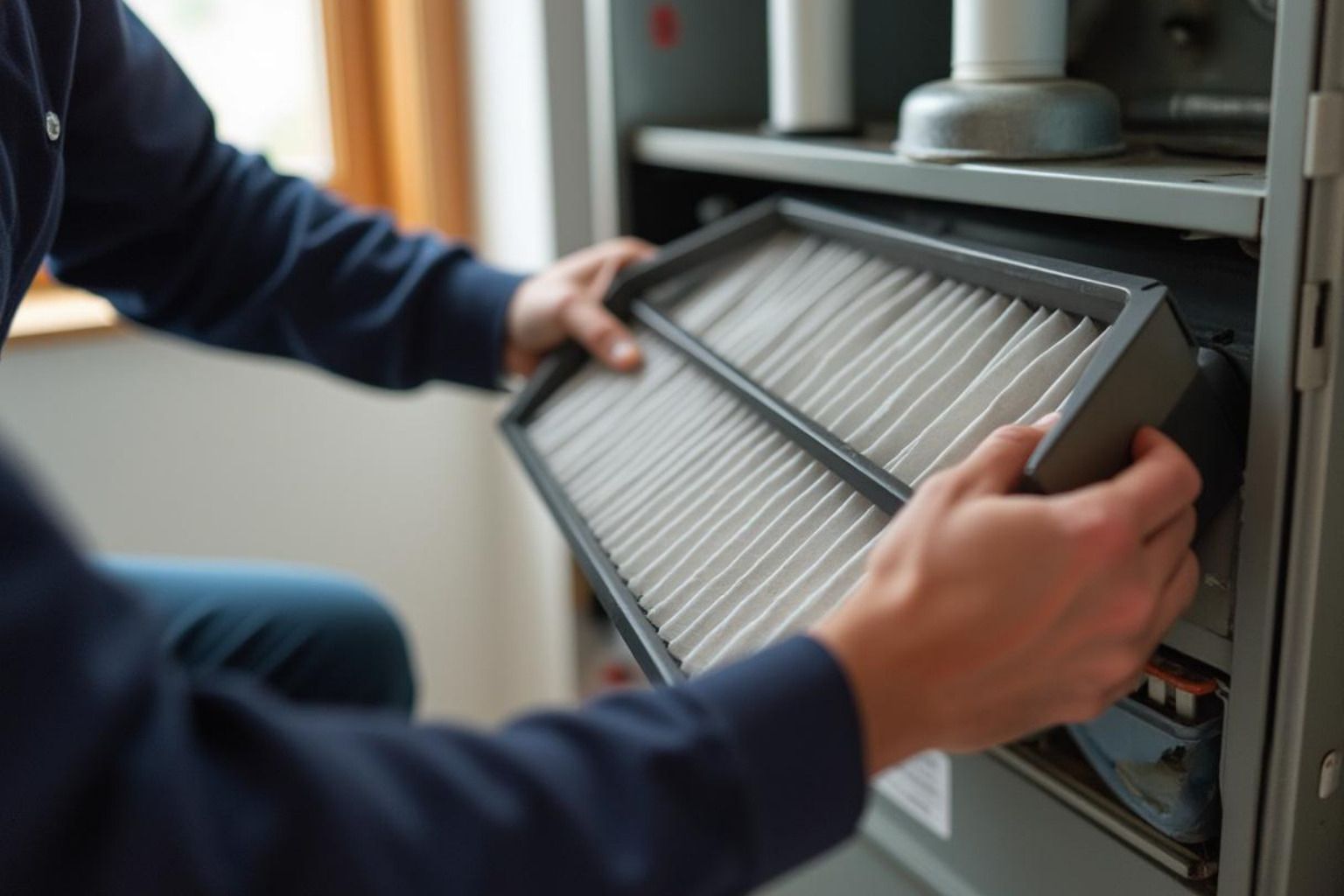
DIY Friendly Habits (Filter Changes, Venting While Cooking)
Some of the most effective steps for improving indoor air quality are things you can do yourself, starting today. These simple habits often make the biggest difference in how your home’s air feels and how your family feels breathing it.
Changing your HVAC air filter regularly tops the list of easy wins. We recommend checking your filter monthly and changing it at least every three months – more often if you have pets or family members with allergies. A clean filter captures dust, pollen, pet dander, and other particles before they can recirculate through your home.
Always use your kitchen range hood or exhaust fan when cooking , especially if you have a gas stove. This removes combustion byproducts like fine particles, nitrogen dioxide, and carbon monoxide right at the source. If you don’t have a range hood, crack a window while cooking.
Bathroom ventilation is equally important. Run your exhaust fan during and after showers to remove moisture and prevent mold growth. Many homeowners forget this simple step, but it makes a huge difference in preventing humidity problems.
Install carbon monoxide detectors on every level of your home, especially near sleeping areas. Test them regularly – these life-saving devices are your early warning system for this silent, deadly gas.
Regular cleaning with a HEPA-filtered vacuum and dusting with a damp cloth significantly reduces dust mites, pet dander, and other allergens. When you’re shopping for paints, furniture, or cleaning supplies, choose low-VOC products whenever possible.
Managing humidity in damp areas like basements with dehumidifiers helps prevent mold growth. Also ensure proper drainage around your home’s foundation to keep moisture from getting inside in the first place.
When to Call a Professional HVAC Tech
While those DIY steps are valuable, some aspects of indoor air quality need the expertise of trained professionals. This is where AAA Home Services really shines in helping St. Louis area homeowners.
Annual HVAC tune-ups ensure your heating and cooling system runs efficiently and effectively. Our technicians check refrigerant levels, clean coils, and inspect ductwork – all of which contribute to better air circulation and filtration. Many of our customers appreciate our thoroughness, and you can see what they’re saying in reviews for our O’Fallon HVAC services and Wentzville HVAC services.
Duct cleaning and sealing becomes necessary if you suspect mold in your ductwork or you’ve recently had home renovations. More commonly, duct sealing prevents pollutants from entering your air system and ensures conditioned air reaches its destination efficiently rather than leaking into crawl spaces or attics.
Installing advanced filtration systems goes beyond basic filter changes. Integrating whole-home air purifiers or higher-efficiency HEPA filters into your HVAC system requires professional installation to ensure proper airflow and effectiveness. Get this wrong, and you can actually reduce your system’s efficiency.
Whole-home humidifiers and dehumidifiers provide consistent humidity control throughout your home, unlike portable units that only work in one room. Maintaining optimal humidity levels between 30-50% is crucial for preventing mold and discouraging dust mites. Our comprehensive approach to home comfort has earned positive reviews from customers who’ve worked with our team.
Balanced ventilation systems like heat recovery ventilators (HRVs) or energy recovery ventilators (ERVs) bring in fresh outdoor air while recovering energy from the outgoing stale air. These systems are particularly valuable in today’s tightly sealed, energy-efficient homes.
The key is knowing when a problem is beyond DIY solutions. If you’re experiencing persistent odors, family members are having ongoing respiratory issues, or you suspect problems with your heating and cooling system, it’s time to call in the professionals. For more information about our comprehensive approach to home air quality, visit our indoor air quality solutions page.
The post Inside Scoop – Understanding Indoor Air Pollution appeared first on AAA Home Services.