

How to Light Furnace Pilot in 5 Easy Steps
Is Your Furnace Pilot Light Out? Here’s What You Need to Know
A furnace pilot light is a small, continuously burning flame inside older gas furnaces that ignites the main burner when your thermostat calls for heat. If it goes out, your furnace won’t produce warm air — even if the thermostat appears to be working normally.
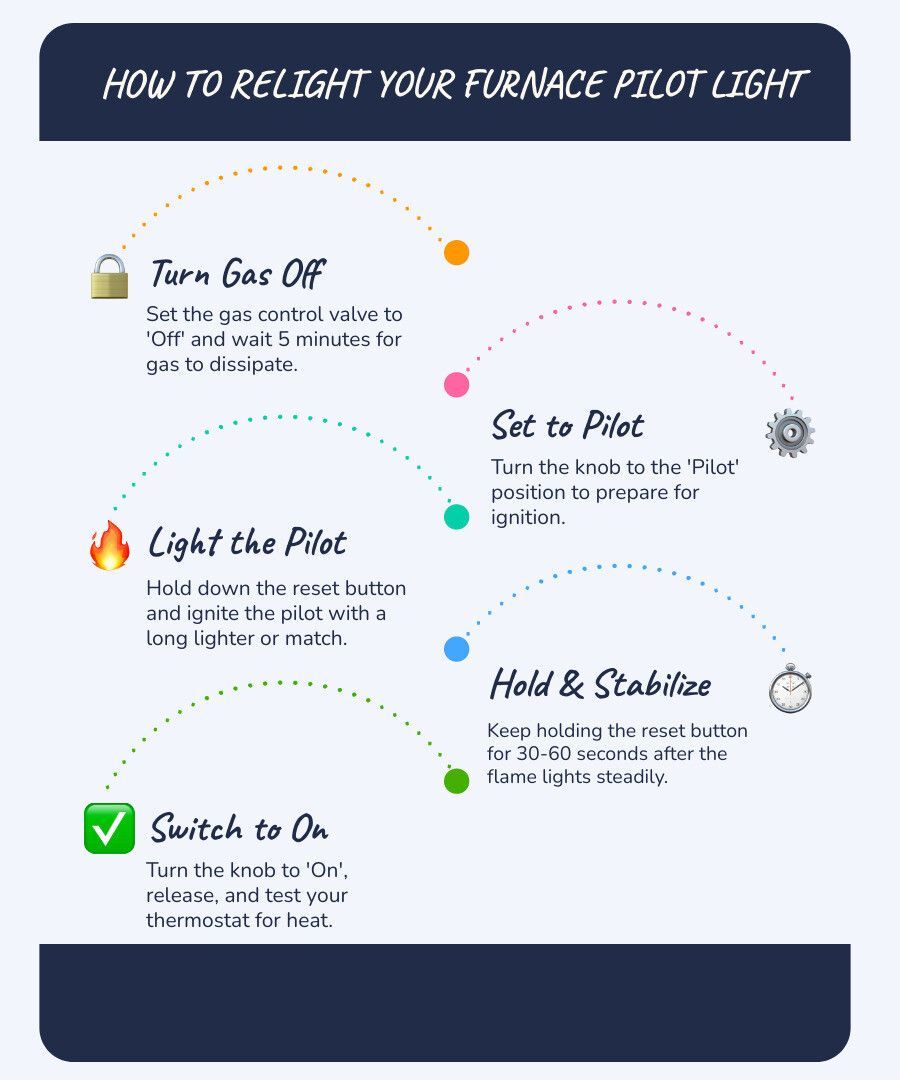
What to do if your furnace pilot light goes out:
Because dealing with gas valves and open flames involves significant safety risks, we recommend contacting a professional technician immediately. At AAA Home Services, we provide expert residential diagnostic services to identify why the flame went out and ensure your system is operating safely.
Important: If you smell gas at any point, leave your home and call your gas company immediately.
Your furnace may feel like a mystery — especially on a cold St. Louis winter morning when the heat just won’t kick on. Whether your pilot light went out from a draft, a dirty orifice, or a faulty thermocouple, this guide explains the components involved and why professional service is essential.
I’m Dan Walsh, and with years of experience overseeing HVAC service and installation across the Greater St. Louis area, I’ve seen how a simple furnace pilot light issue can leave homeowners in the cold unnecessarily. In this guide, I’ll walk you through the causes and when it’s time to call in a pro.
Understanding Your Furnace Pilot Light and Ignition System
To understand why your home isn’t getting warm, we first have to look at how your furnace starts the fire. In the “old days”—which in the HVAC world means most units installed before 2010—a standing furnace pilot light was the standard. It is a tiny blue flame that stays lit continuously, sitting right next to the main burners. When your thermostat clicks on, a gas valve opens, and that little pilot flame acts like a match to light the big burners.
However, technology has moved toward more energy-efficient options. According to the Department of Energy, approximately 43 percent of your total energy expenses come from heating and cooling. Keeping a flame burning all summer long when you don’t need heat wastes fuel.
Does My Unit Have a Standing Furnace Pilot Light?
If your furnace was installed before 2010, there is a high probability it has a standing pilot. You can usually tell just by looking; if you see a constant small flame through a little window or behind a panel, you have a standing pilot.
Modern systems, like the high-efficiency American Standard models we install at AAA Home Services, typically use electronic ignition. These come in two main flavors:
- Intermittent Pilot: This uses an electric spark to light the pilot only when the furnace needs to run. Once the burners are lit, the pilot goes out.
- Hot Surface Igniter (HSI): This is the most common modern type. It works like a lightbulb filament or a toaster element. It glows white-hot using electricity to ignite the gas, then shuts off.
Efficiency Comparison: Standing Pilot vs. Electronic Ignition
| Ignition Type | Fuel Usage | Reliability | Common in St. Louis |
|---|---|---|---|
| Standing Pilot | Constant (Wastes Gas) | High (No Power Needed) | Older Homes (Pre-2010) |
| Electronic Ignition | On-Demand Only | High (Saves Fuel) | Modern/High-Efficiency |
If you aren’t sure what you have, check out our guide on furnace service for more tips on identifying your system.
Where to Find the Furnace Pilot Light Assembly
If you’ve determined you have an older model, you can locate the assembly to check the flame status. It is almost always located at the bottom front of the furnace. You can often see the assembly behind a metal access panel.
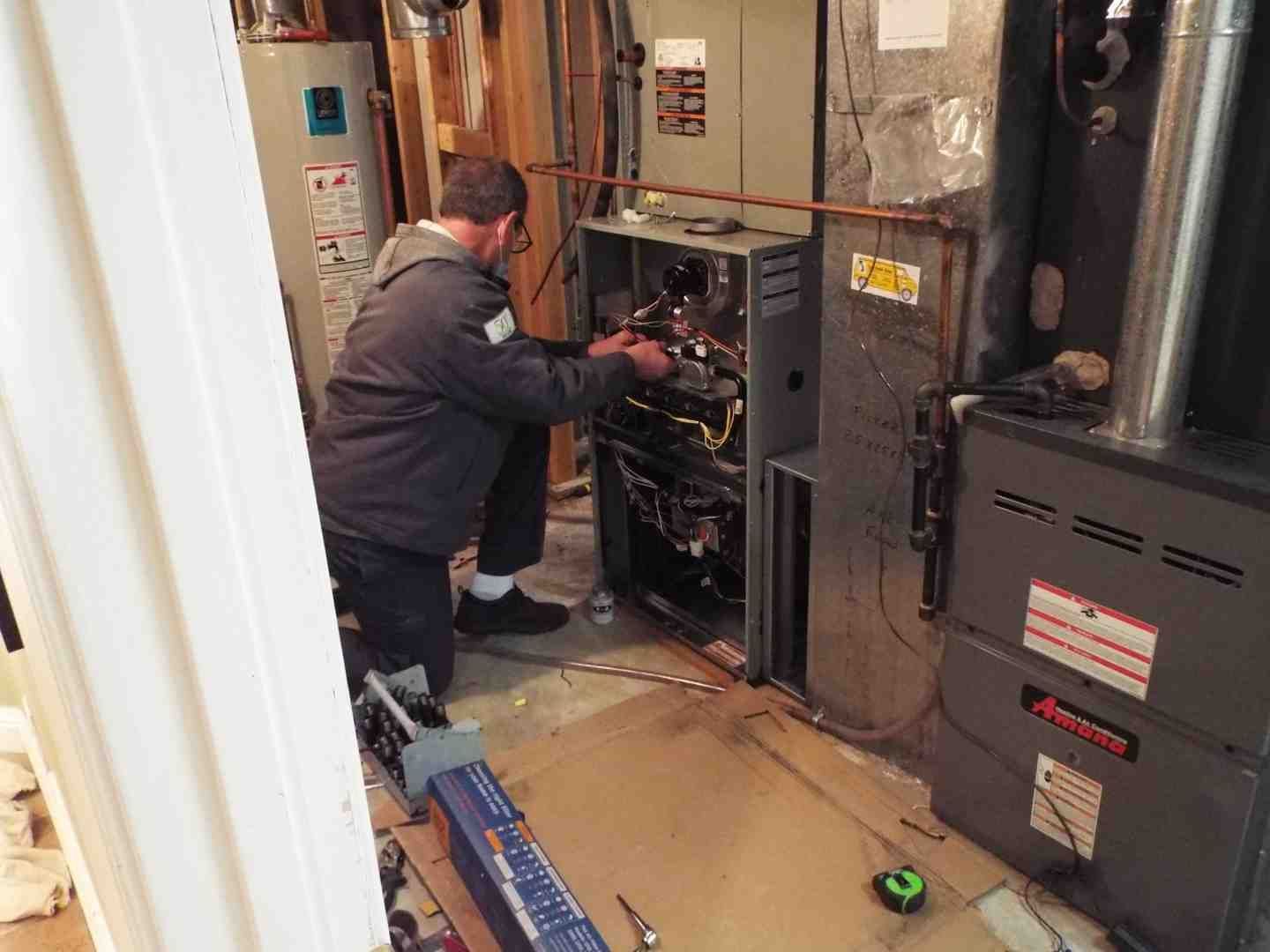
Look near the burner base. You will see a small silver tube leading to a nozzle—that’s the pilot burner. If you see a small copper wire running right next to it, that is the thermocouple. If you’re struggling to locate it or notice the flame is out, you should contact AAA Home Services for professional furnace repair to ensure everything is aligned correctly.
The Role of the Thermocouple in Safety
The thermocouple is the “brain” of the pilot assembly. It is a small copper rod that sits right in the path of the pilot flame. Its job is simple but vital: it detects heat. When the flame hits the thermocouple, it generates a tiny bit of electricity that tells the gas valve, “Hey, the pilot is lit! It’s safe to keep the gas flowing.”
If the pilot goes out, the thermocouple cools down, stops the electrical signal, and the gas valve snaps shut. This prevents your home from filling with unburned gas. If your pilot won’t stay lit, you likely have a worn-out thermocouple. We have more details on this in our article about troubleshooting your furnace pilot light.
Understanding Pilot Light Issues and Professional Maintenance
Maintaining your furnace is about more than just comfort; it’s about safety. A healthy furnace pilot light should always burn a crisp, steady blue. If you see a yellow or orange flame, it’s a sign that the burner is dirty or isn’t getting enough oxygen. A yellow flame is inefficient and can produce carbon monoxide, which is why annual inspections by a trained technician are so important.
Research shows that while forced-air gas furnaces last 15 to 30 years, they start to lose efficiency and break down more frequently at the 10-year mark. Regular maintenance helps push your system toward that 30-year goal.
Why the Pilot Flame Keeps Going Out
If your pilot flame keeps going out frequently, something is wrong. Here are the most common culprits that our technicians identify:
- Drafts: If your furnace closet isn’t sealed well, a strong gust of wind through a vent or a nearby door can blow the flame out.
- Dirty Pilot Orifice: Over time, soot and dust can clog the tiny hole where the gas comes out. This makes the flame weak and easy to extinguish.
- Malfunctioning Thermocouple: As mentioned, if this sensor is covered in soot or is simply burnt out, it won’t “tell” the gas valve to stay open.
- Gas Supply Issues: If other gas appliances in your home (like your water heater) are also acting up, the issue might be with your main gas regulator.
For more on these specific mechanical failures, read about the 7 common furnace repairs we see in the St. Louis area.
When the Burners Won’t Ignite
Sometimes, the furnace pilot light is burning bright, but the furnace still won’t kick on. If the pilot is lit but the burners stay cold, the issue is usually further down the line and requires professional diagnosis:
- Thermostat Communication: The thermostat might not be sending the “heat” signal to the furnace.
- Relay Switch: A stuck relay can prevent the gas valve from opening for the main burners.
- Flame Sensor: In some hybrid systems, a dirty flame sensor might be preventing the cycle.
- Door Sensor: If the furnace panel isn’t pushed in all the way, a safety switch will keep the whole system from starting.
If your pilot is lit but you’re still shivering, check out our guide on a furnace not heating the house for deeper diagnostics.
When to Call AAA Home Services for Professional Help
While some minor checks can be done by looking at the unit, gas systems are nothing to play around with. If you smell a “rotten egg” odor, see heavy soot buildup, or if the pilot keeps failing, it’s time to call us. Our technicians are trained to handle these components safely and efficiently.
Our technicians are the best in the business. Just look at what our customers say:
“Sam was Professional and answered all my Questions. He replaced my Thermostat and got my Furnace working again. And he seemed very knowledgeable about what he was doing. I was very Satisfied with Sam.”
“We have had great experiences with AAA service people over many years. It’s so nice to know who to call when I have a problem. Thanks for the good work!!”
At AAA Home Services, we’ve been serving residential homeowners in the Greater St. Louis area since 1970. Whether you are in St. Charles, O’Fallon, Chesterfield, or Ballwin, we can often provide Same Day or Next Day service to get your heat back on.
If your furnace is over 15 years old and the pilot light issues are becoming a monthly headache, it might be time to discuss a modern, high-efficiency American Standard replacement. These systems eliminate the pilot light altogether, saving you money and stress. We offer free quotes for new HVAC systems to help you find the best fit for your home.
Ready to get your home warm again? Explore our service area or fill out our request service form today. We’re here to help with fair, honest service!
The post How to Light Furnace Pilot in 5 Easy Steps appeared first on AAA Home Services.