

The Invisible Threat: What is Indoor Air Pollution?
Indoor air pollution problems affect millions of American homes, creating health risks that many homeowners don’t realize exist. While we often worry about outdoor smog, the air inside our homes can be 2 to 5 times more polluted than the air outside, according to EPA estimates. Since Americans spend about 90% of their time indoors , this poses a significant health threat.
Modern, energy-efficient homes are built to be “tight,” which can trap pollutants inside. Everyday items—from your furnace and water heater to cleaning products and new carpeting—release invisible contaminants. Many of these pollutants are odorless, meaning you could be experiencing symptoms like headaches, fatigue, or worsening allergies without knowing the cause.
Most Common Indoor Air Pollutants:
- Combustion gases (carbon monoxide, nitrogen dioxide from furnaces, water heaters, gas stoves)
- Volatile Organic Compounds (VOCs) from paints, cleaners, and building materials
- Biological contaminants like mold, dust mites, pet dander, and bacteria
- Radon gas seeping from soil and building materials
- Particulate matter from dust, smoke, and outdoor pollution
Health Impact: Poor indoor air quality can cause respiratory problems, headaches, and fatigue, and worsen asthma. Long-term exposure increases the risk of heart disease and cancer.
I’m Dan Walsh, and I’ve spent years helping Greater St. Louis homeowners solve indoor air pollution problems through proper HVAC maintenance and air quality solutions. I’ve seen how addressing these issues can dramatically improve a family’s health and comfort.

Indoor air pollution problems terms explained:
A Homeowner’s Guide to Indoor Air Pollution Problems & Solutions
You might think your home is a safe haven from outdoor pollution, but indoor air pollution problems can make the air inside your home up to five times more contaminated. Outdoors, pollutants disperse, but inside they get trapped. Everyday activities like cooking, cleaning, or even lighting a candle can add to the problem.
This guide will help you understand the sources of indoor air pollution and what you can do about them. Once you know what to look for, these problems become much more manageable.
Common Culprits: Pinpointing Sources of Contamination in Your Home
Understanding the source is the first step to solving indoor air pollution problems . The culprits are often hiding in plain sight.

Combustion sources are a serious threat. Gas furnaces, water heaters, fireplaces, and stoves can release dangerous gases like carbon monoxide and nitrogen dioxide. Carbon monoxide is an invisible, odorless gas that can be deadly, as highlighted by scientific research on Carbon monoxide. Poor ventilation during cooking can also cause a buildup of these gases.
Volatile Organic Compounds (VOCs) are released from paints, cleaning products, air fresheners, new furniture, and carpets. Some materials, like particleboard, can release formaldehyde for years. A crucial safety tip: never mix chlorine-based cleaners with ammonia or vinegar, as this can create deadly chlorine gas.
Building materials in older homes can be hazardous. Homes built before 1978 may contain lead paint, while those from the 11100s-70s might have asbestos insulation. These are dangerous if disturbed during renovations.
Biological pollutants like mold, dust mites, and bacteria thrive in damp areas like basements and bathrooms. Even a poorly maintained humidifier can spread these contaminants.
Radon gas is a radioactive gas that seeps from the soil and is a leading cause of lung cancer. Testing is the only way to detect it.
Secondhand smoke is a major indoor pollutant. Its residue can linger in carpets and furniture for years, creating significant air pollution.
For more info about Air Quality Inside Your Home, we’ve put together additional resources to help you understand these complex issues.
The Hidden Health Risks of Indoor Air Pollution Problems
Indoor air pollution problems often mimic other common health issues, making them difficult to diagnose.
Short-term effects include headaches, dizziness, fatigue, irritated eyes, and a scratchy throat. A key clue is if these symptoms improve when you leave the house and return when you’re back home.
Long-term effects are more severe. Chronic exposure can lead to respiratory diseases like asthma, heart disease, and an increased risk of cancer from pollutants like radon and asbestos. According to scientific research on global death statistics, household air pollution was responsible for an estimated 3.2 million deaths in 2020.
Vulnerable populations , such as children, the elderly, and individuals with pre-existing conditions, face greater risks. Children are especially susceptible because their respiratory systems are still developing.
Common health symptoms linked to poor indoor air quality include:
- Persistent coughing or shortness of breath
- Burning or watery eyes
- Stuffy or runny nose
- Sore throat
- Headaches, fatigue, or dizziness
- Worsening asthma or allergy symptoms
Is Your Home’s Air Unhealthy? Recognizing the Warning Signs
Since most indoor air pollution problems are invisible, you need to become a detective in your own home. Look for these warning signs:
- Musty odors: A damp, earthy smell often indicates hidden mold growth.
- Visible mold or mildew: Any fuzzy patches on walls, ceilings, or furniture signal a moisture and air quality problem.
- Excessive dust: Constant, rapid dust accumulation can point to poor HVAC filtration or ventilation.
- Condensation: Moisture on windows or walls means humidity is too high, creating a breeding ground for mold and dust mites.
- Worsening allergies or asthma: If symptoms are consistently worse at home, your indoor air is likely the trigger.
- Symptoms improve after leaving: Feeling better when you’re away from home is a strong indicator that your house is the problem.
We’ve helped many homeowners solve these exact problems. Jo ann L recently shared her relief after we addressed her air quality concerns: “Graham did an Awesome job!! It’s great to have air again!!” – Jo ann L. Helping families breathe easier is our top priority.
For a professional assessment, check out our more info about our Haven Air Monitor, which provides detailed insights into your home’s air quality.
Practical Steps to Solve Indoor Air Pollution Problems
The good news is that most indoor air pollution problems have practical solutions. Many improvements are simple and don’t require major renovations.
1. Source Control
This is your most effective strategy. Stop pollutants at their source.
- Eliminate smoke: Enforce a strict no-smoking policy indoors.
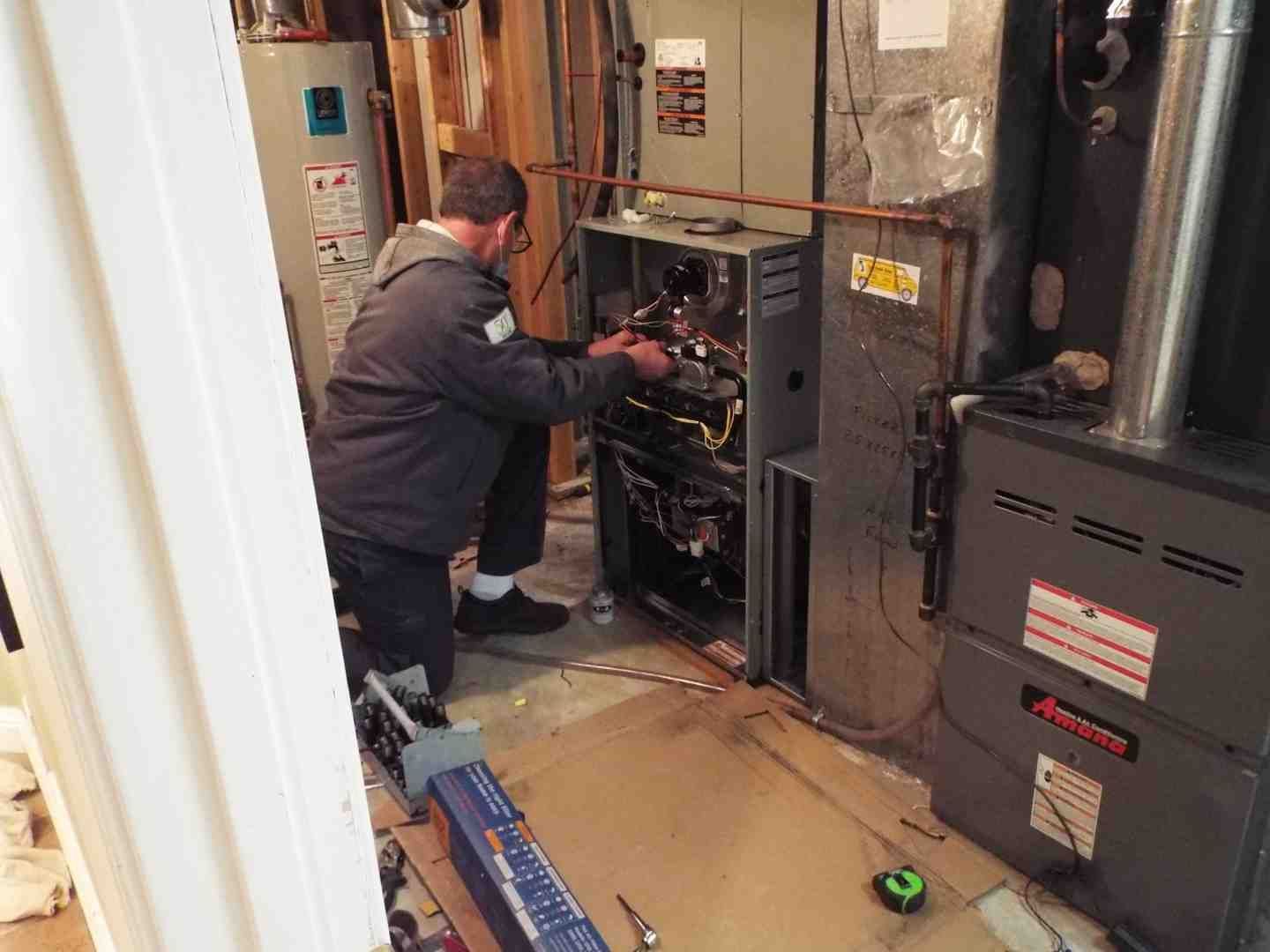
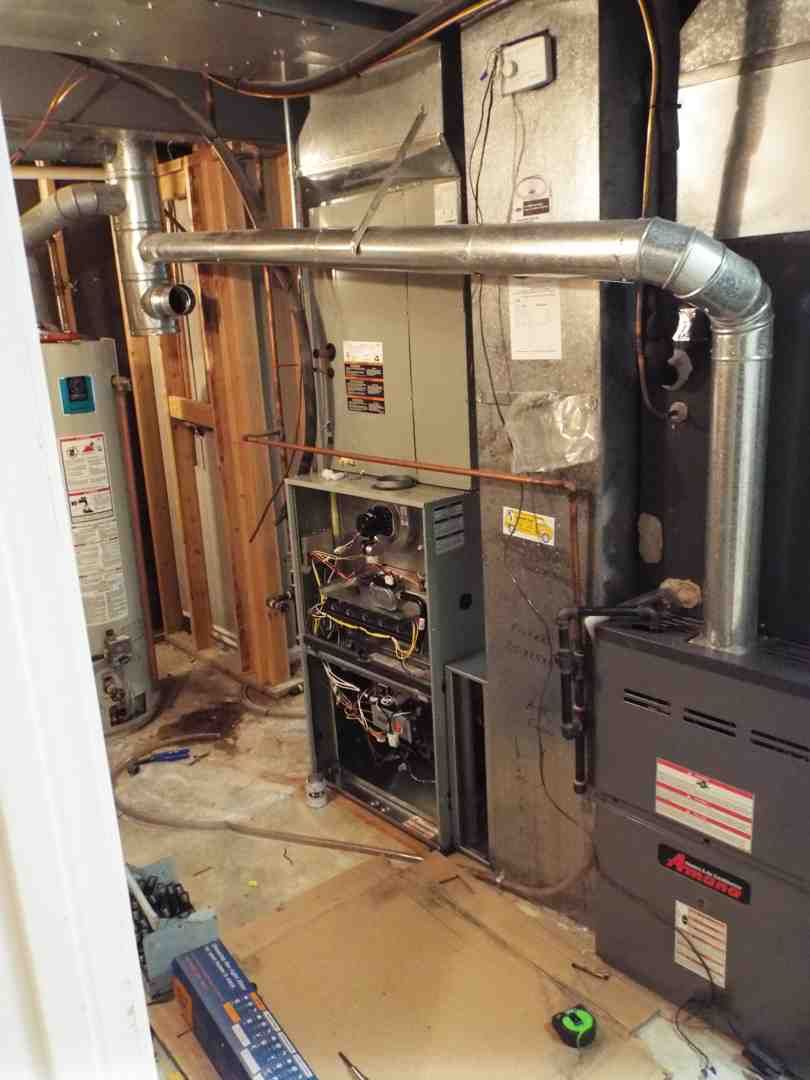
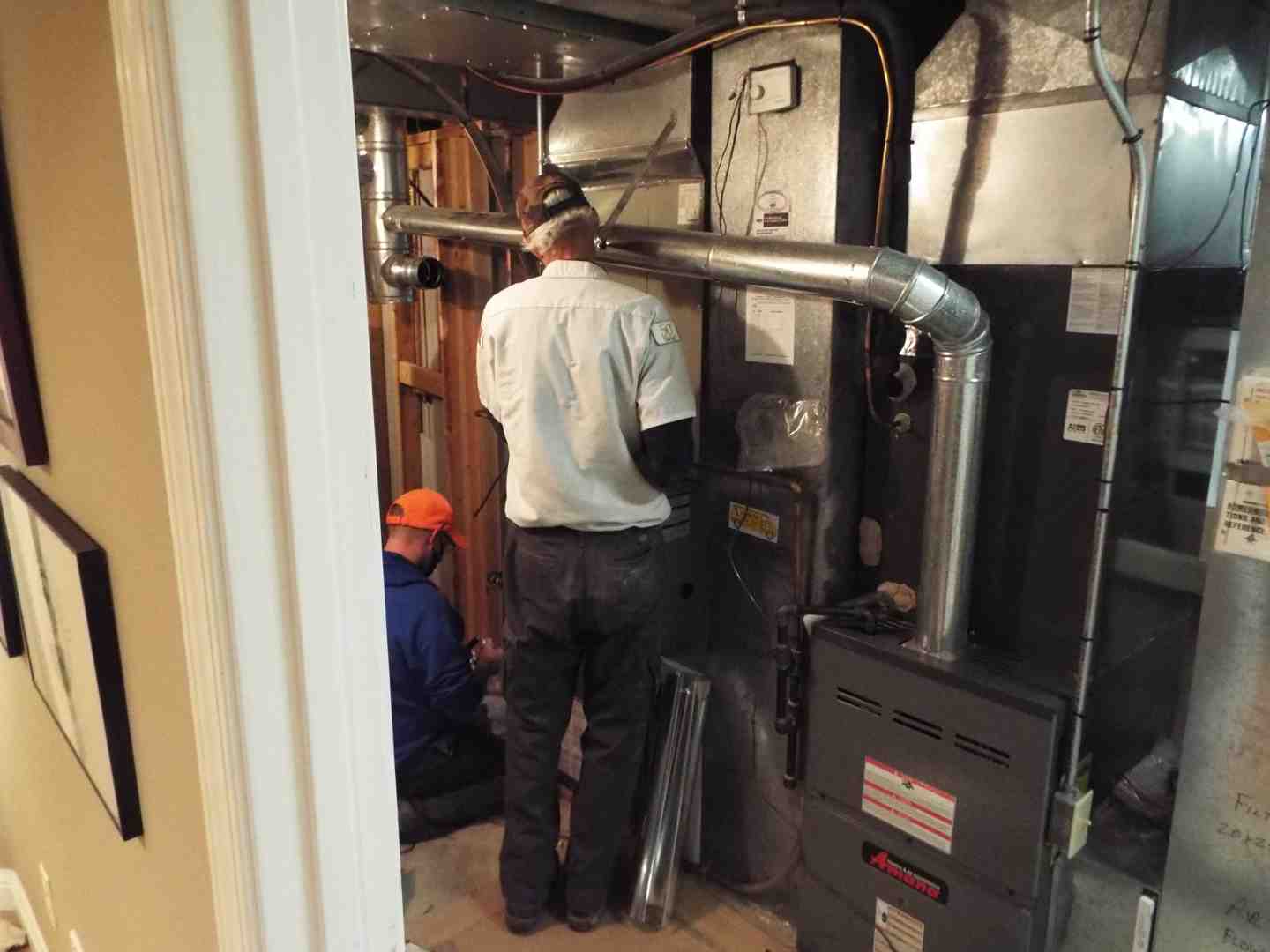
- Vent appliances: Ensure fuel-burning appliances like furnaces and water heaters are properly vented and professionally inspected annually. Use your exhaust fan when cooking.
- Choose low-VOC products: Look for “low-VOC” or “no-VOC” labels on paints, cleaners, and furnishings.
- Control moisture: Fix leaks promptly and use exhaust fans in bathrooms and kitchens to keep humidity between 30-50%, preventing mold and dust mites.
2. Improve Ventilation
Bring fresh air inside to dilute pollutants.
- Open windows: Even 10-15 minutes a day can make a difference.
- Use exhaust fans: Ensure kitchen and bathroom fans vent to the outside, not into an attic or wall.
- Consider mechanical ventilation: For tightly sealed homes, a heat recovery ventilator (HRV) can provide fresh air without significant energy loss.
3. Clean the Air
Remove particles already in your air.
- Use high-efficiency filters: HEPA filters, either in standalone purifiers or integrated into your HVAC system, remove 99.97% of airborne particles. Avoid air cleaners that produce ozone, which is a lung irritant.
- Explore professional solutions: Our Air Scrubber Service actively cleans both air and surfaces.
4. Maintain Your HVAC System
Your HVAC system is key to your home’s air quality.
- Change filters regularly: Replace your air filter every 1-3 months. Our guide on how to Change Your Home Air Filters can help.
- Schedule professional maintenance: Annual inspections ensure your system runs safely and efficiently, preventing air quality issues.
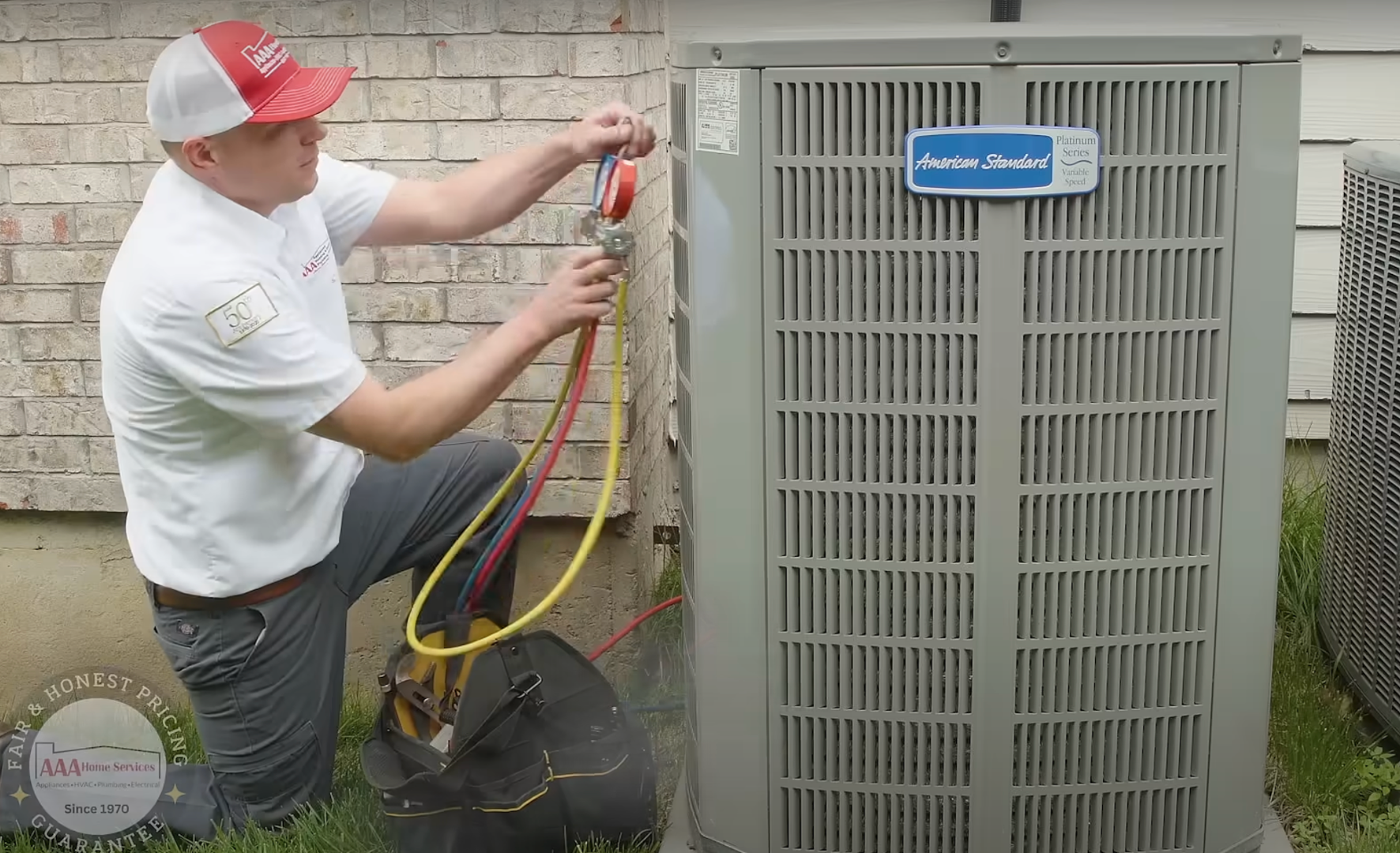
Professional service makes a significant difference. As Josh Linton shared: “Dalton serviced our AC unit when it ceased blowing cold air. He efficiently identified and diagnosed the problem as well as provided a clear plan of action to address the problem. He had the AC unit up and running quickly. He represented us very well.” – Josh Linton.
Breathe Easier with Professional Air Quality Solutions
While simple steps like changing filters and increasing ventilation are helpful, tackling complex indoor air pollution problems often requires professional expertise. Your home’s HVAC system is your first line of defense, and a neglected system can circulate dust, allergens, and mold spores.
At AAA Home Services, we have over 50 years of experience helping homeowners in the Greater St. Louis, St. Charles, and Warren County areas breathe easier. Our award-winning service is built on fair, honest pricing, and our technicians are experts at resolving indoor air pollution problems .
We offer comprehensive solutions custom to your home:
- Professional Air Quality Assessments to identify specific pollutants.
- Advanced Filtration and Purification Systems to capture the smallest particles.
- Humidity Control Solutions to maintain optimal indoor humidity and prevent mold.
- Ventilation Solutions like ERVs and HRVs for a steady supply of fresh air.
- Duct Cleaning and Sealing to ensure your air delivery system is clean.
- Carbon Monoxide Detector Installation for your family’s safety.
For complex issues, it’s always best to call a trained technician. We pride ourselves on clear communication and can often offer Same Day or Next Day service to get your home’s air quality back on track quickly.
Don’t let indoor air pollution problems compromise your family’s health. Take control of your home’s air. For more info about our Indoor Air Quality Services, contact us today. We’re here to help you breathe easier.
The post Indoor Air Pollution Problems – Why Your Home Might Be Making You Sick appeared first on AAA Home Services.