

Understanding Your Home’s Essential Water Systems
Plumbing is any system that conveys fluids for a wide range of applications, using pipes, valves, plumbing fixtures, tanks, and other apparatuses to convey fluids. In your home, plumbing serves a critical role in public health and sanitation by delivering clean water and safely removing waste.
What plumbing includes:
- Two separate subsystems – one brings freshwater in, the other takes wastewater out
- Water supply system – pressurized pipes that deliver clean water to fixtures
- Drain-waste-vent (DWV) system – gravity-fed pipes that remove waste and prevent sewer gases
- Fixtures and appliances – toilets, sinks, faucets, water heaters, and washing machines
- Various pipe materials – copper, PEX, PVC, and others for different applications
Your home’s plumbing system is more complex than most homeowners realize. The water that comes into your home is under pressure – enough pressure to allow it to travel upstairs, around corners, or wherever else it’s needed. Meanwhile, drainage systems don’t depend on pressure like supply systems do. Instead, waste matter leaves your house because the drainage pipes all pitch downward towards the sewer, with gravity pulls the waste along.
Modern residential plumbing involves intricate connections between water supply lines, drain pipes, vent stacks, and numerous fixtures. Each component must work together seamlessly to provide safe, reliable water service while protecting your family’s health.
With experience in home repair services, it’s clear that proper plumbing systems are essential for every homeowner’s comfort and safety. Skilled technicians can handle everything from routine maintenance to complex installations, ensuring your home’s plumbing operates efficiently for years to come.
Plumbing word roundup:
- clogged toilet
- leaky pipes
- certified plumber
How Your Home’s Plumbing System Works
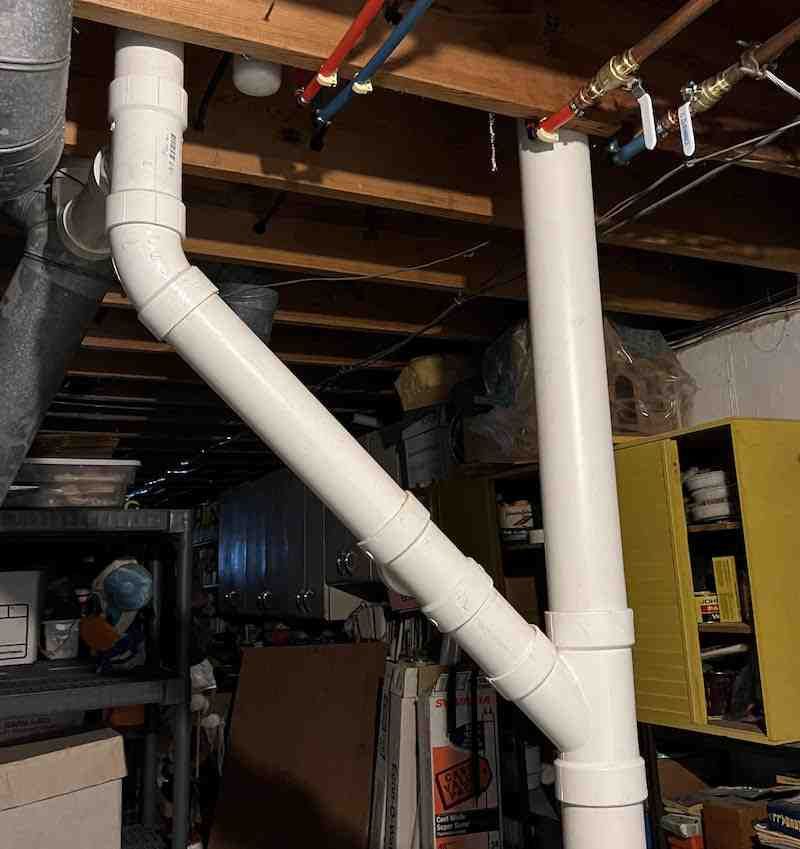
Your home’s plumbing system works like a well-choreographed dance between two partners. One partner brings fresh water in under pressure, while the other gracefully carries waste away using gravity. The plumbing system in your home is composed of two separate subsystems. Understanding how these systems work together helps you appreciate why professional installation and maintenance are so important.
Think of water pressure as the driving force that pushes clean water through your supply lines to every corner of your home. Whether you’re on the third floor or in the basement, that pressure ensures water reaches your faucets with enough force for daily tasks. Meanwhile, gravity does all the heavy lifting for your drainage system, pulling wastewater down through carefully angled pipes toward the sewer.
The Pressurized Water Supply System
Your water’s journey begins at the main water line , which connects your home to the municipal supply or your private well. Before entering your house, water passes through a water meter that tracks your usage for billing purposes.
The main shutoff valve sits just inside your home and acts like the master switch for your entire water supply. Every homeowner should know exactly where this valve is located. When a pipe bursts or a major leak occurs, quickly shutting off this valve can prevent extensive water damage. Professional plumbers often show homeowners this crucial valve during service calls.
From the main shutoff, your water splits into hot and cold distribution lines . Cold water travels directly to toilets, outdoor spigots, and the cold side of your fixtures. The other branch heads to your water heater connection , where it gets heated before traveling through separate hot water lines to sinks, showers, and appliances like your dishwasher and washing machine.
Water pressure issues can signal problems anywhere in this system. Low pressure might indicate a leak, mineral buildup, or failing components that need professional attention.
The Drain-Waste-Vent (DWV) System
The gravity-fed system that removes wastewater from your home operates on a completely different principle than your water supply. Instead of pressure, it relies on the simple physics of water flowing downhill.
Your DWV system has three essential components working together. Drain pipes collect wastewater from individual fixtures like sinks and showers. Waste pipes are larger lines that gather water from multiple drains and carry it toward your main sewer connection. Vent stacks extend vertically through your roof, allowing air into the system so water can flow smoothly without creating dangerous vacuums.
P-traps are the curved sections of pipe you see under every sink. These ingenious devices always hold a small amount of water that acts as a barrier for sewer gas prevention . Without this water seal, toxic and foul-smelling gases could back up into your home. Toilets have this trap built right into their design.
The magic happens because all horizontal drain pipes slope downward at exactly 1/4 inch per foot. This precise angle ensures waste flows efficiently without allowing solids to settle and cause clogs. It’s this kind of technical detail that shows why professional installation matters so much for your home’s plumbing system.
When vent stacks become blocked or damaged, you might notice slow drains, gurgling sounds, or sewer odors in your home. These issues require prompt professional attention to restore proper function and protect your family’s health.
Key Components of a Residential Plumbing System
Your home’s plumbing system is like a well-orchestrated symphony, where every component plays its part to deliver clean water and remove waste efficiently. Beyond the network of supply and drainage lines we’ve discussed, there are several key elements that make it all work together seamlessly. Understanding these components helps you appreciate the complexity of your plumbing and recognize when professional expertise is needed.
The materials used for your pipes, the fixtures you interact with daily, and the valves and fittings that control water flow all contribute to your system’s overall performance. Each component has evolved over decades of engineering improvements, and choosing the right ones can mean the difference between decades of reliable service and frequent repairs down the road.
A Homeowner’s Guide to Plumbing Pipes
The pipes running through your walls and under your floors are the arteries of your home’s plumbing system. Over the years, pipe materials have evolved dramatically – from the copper pipes found in ancient Egypt around 2400 BCE to today’s advanced synthetic materials. In the United States, we’ve learned from past mistakes too. Lead pipes were largely phased out by the 1920s due to health concerns, and lead solder was finally banned for drinking water systems in 1986.
Copper pipes remain the gold standard for many professional plumbers. They’re incredibly durable, resist corrosion beautifully, and handle high temperatures without breaking a sweat. Copper’s longevity often makes it a smart investment for homeowners planning to stay in their homes long-term.
PEX (cross-linked polyethylene) has revolutionized residential plumbing over the past few decades. This flexible plastic tubing is now used in an estimated 60% of single-family homes across the country, and for good reason. PEX resists freezing better than rigid pipes, doesn’t develop scale buildup like metal pipes can, and its flexibility means fewer joints – which translates to fewer potential leak points. It’s also much easier for technicians to install, which can reduce installation time.
For drainage systems, PVC (polyvinyl chloride) pipes dominate the landscape. These lightweight, white pipes are perfect for drain, waste, and vent applications. They are a common choice because they are easy to work with and resist chemical corrosion from household waste. However, PVC isn’t suitable for hot water supply lines or high-pressure applications.
If your home was built several decades ago, you might still have galvanized steel pipes lurking in your walls. While these were once standard, they’re prone to rust and mineral buildup over time. This corrosion can lead to reduced water flow, discolored water, and eventually leaks that can cause significant damage.
Choosing the right pipe material is about more than just one factor; it’s about compatibility with your existing system, local building codes, and long-term performance. Why professional material selection is crucial becomes clear when you consider that mixing incompatible materials can lead to galvanic corrosion, and improper installation can void warranties and create safety hazards.
Common Household Plumbing Fixtures
Every day, you interact with your plumbing system through its fixtures – those visible components that bridge the gap between your water supply and drainage systems. These hardworking devices make modern life possible, from your morning shower to washing the dinner dishes.
Toilets are perhaps the most crucial fixtures in your home, designed with ingenious self-trapping mechanisms that prevent sewer gases from entering your bathroom. When they malfunction, life gets uncomfortable quickly. Sinks throughout your home – in kitchens, bathrooms, and utility rooms – provide convenient basins for countless daily tasks, each equipped with drains that connect to your home’s waste system.
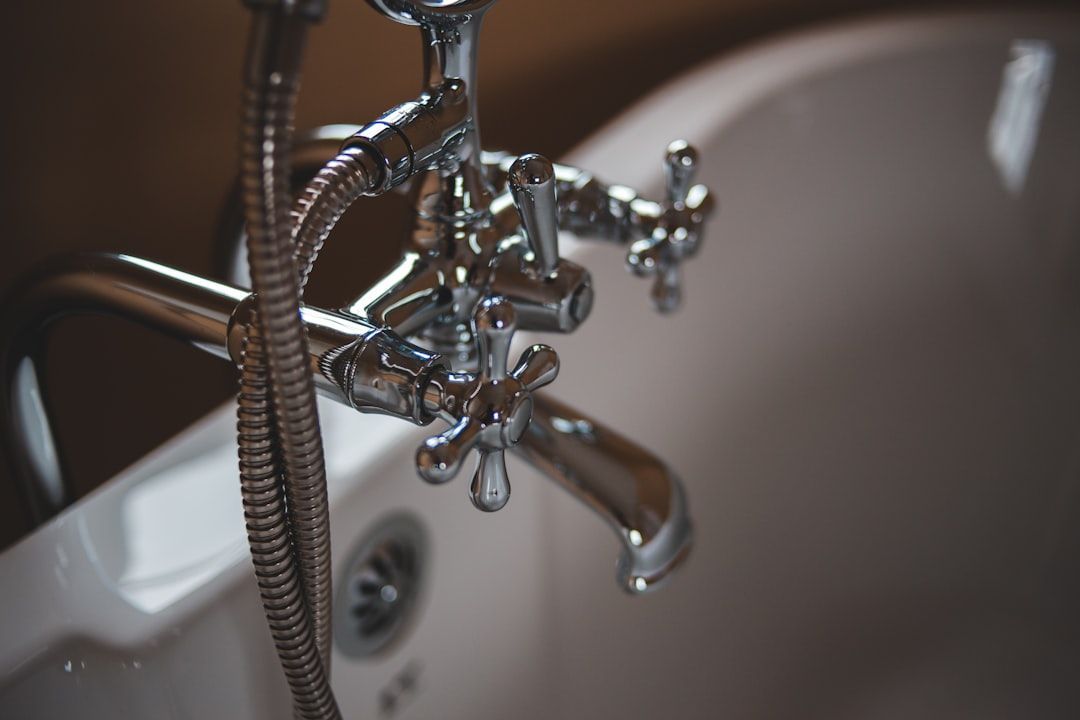
Faucets control both the flow and temperature of water, and modern designs range from simple, reliable models to sophisticated fixtures with multiple spray patterns and temperature controls. Showers and tubs combine water delivery with efficient drainage, creating the relaxing bathing experiences we depend on.
Your major appliances are fixtures too. Washing machines connect to both hot and cold water lines and require dedicated drainage to handle the substantial water volumes they use. Dishwashers typically connect to your kitchen’s hot water supply and often share drainage connections with your kitchen sink.
When any of these fixtures start acting up, it affects your daily routine immediately. A constantly running toilet wastes a significant amount of water. A leaky faucet can waste thousands of gallons per year. Experienced technicians stay current on all fixture types and brands, ensuring they can restore your plumbing to proper working order quickly and efficiently.
Common Plumbing Problems and Professional Maintenance
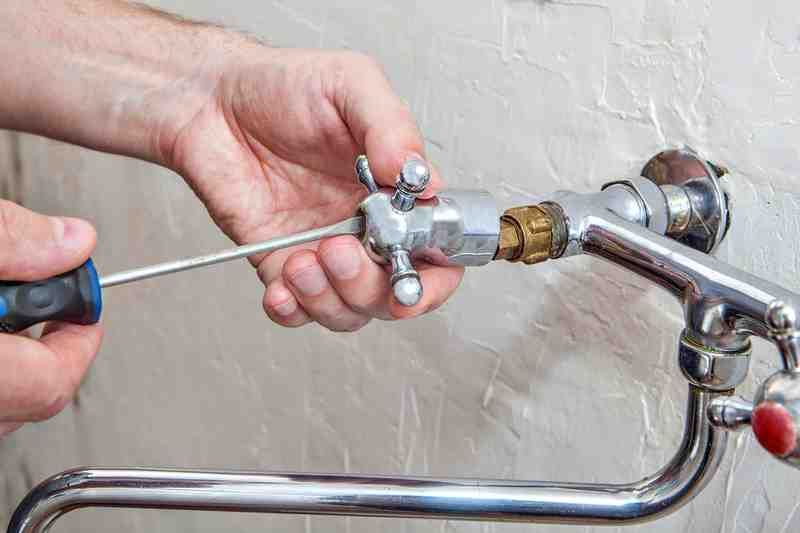
Every homeowner will eventually face plumbing challenges, whether it’s a persistent leak that keeps you awake at night, a stubborn clog that won’t budge, or the frustrating experience of weak water pressure during your morning shower. While these issues might seem manageable at first, they often signal deeper problems within your home’s plumbing system that require professional attention.
A professional approach focuses on thorough diagnosis and clear communication. This means not just fixing the immediate problem, but helping homeowners understand their plumbing system and prevent future issues.
Spotting Issues Before They Become Disasters
Your home’s plumbing system often gives you warning signs before problems become catastrophic. Learning to recognize these early indicators can save you from extensive water damage and the inconvenience of major repairs.
Dripping faucets might seem harmless, but that steady drip can waste hundreds of gallons annually while signaling worn internal components. Slow drains are among the most common plumbing issues, often starting as a minor inconvenience before developing into complete blockages.
Pay attention to gurgling sounds from your drains, especially after flushing toilets. These noises often indicate problems with your vent system or significant blockages developing in your drain lines. A running toilet that constantly refills itself is not only annoying but wastes significant amounts of water while pointing to faulty internal components.
Discolored water appearing rusty or brown can signal corrosion within your pipes, particularly common in homes with older galvanized steel plumbing . When checking for faulty water pipes, look for consistently discolored water, visible leakage, and poor pressure throughout your home.
Perhaps most concerning is an unexplained increase in water usage , often visible on your water meter. This can indicate hidden leaks within walls or underground pipes. These hidden problems can cause extensive structural damage if left unaddressed.
Ignoring these warning signs can lead to broken pipes that require extensive repairs, depending on their location and accessibility. Experienced technicians can accurately diagnose these issues and provide lasting solutions before they escalate.
The Importance of Proactive Maintenance
Think of your home’s plumbing system like your car – regular professional attention prevents major breakdowns and keeps everything running smoothly. Proactive maintenance isn’t just about fixing problems; it’s about preventing them entirely.
Preventing major damage is perhaps the most compelling reason for regular plumbing maintenance. Small leaks and minor clogs caught early can prevent significant water damage to your home’s structure and belongings. Technicians regularly find issues during routine inspections that could have caused extensive damage if left unattended.
Ensuring safety is equally critical. A properly maintained drain-waste-vent system prevents hazardous sewer gases from entering your home, while regular water heater maintenance ensures safe operation for your family.
Maintaining water efficiency helps conserve water. Leaks and inefficient fixtures waste tremendous amounts of water, and proactive maintenance identifies these issues.
Why professional service matters becomes clear when you consider the complexity of modern plumbing systems. While homeowners can check for visible leaks or unusual sounds, comprehensive plumbing work requires specialized knowledge and tools. The precise slope required for drain pipes – exactly 1/4 inch vertical drop per foot of pipe – exemplifies the technical details that require professional expertise.
Licensed plumbers bring years of training and experience to every job. They understand local codes, use proper tools, and can diagnose problems accurately. Certified technicians can handle everything from routine inspections to complex pipe replacements, ensuring your home’s plumbing operates safely and efficiently.
Water Heaters and Water Quality Solutions
Your water heater quietly works behind the scenes, delivering the hot water that makes modern life comfortable. From your morning shower to washing dishes after dinner, this essential appliance keeps your household running smoothly. When it suddenly stops working, you realize just how much you depend on it.
When a water heater fails, it’s important to understand the available options for repair or replacement to restore your home’s comfort.
Understanding Your Water Heater
Choosing the right water heater for your home involves understanding the differences between various types and how they operate. Tank water heaters remain the most common choice for residential homes. These units heat and store a large volume of water in an insulated tank, keeping it ready for use throughout the day. The trade-off is that they continuously use energy to maintain water temperature, even when you’re not using hot water.
Tankless water heaters , also called on-demand units, take a different approach. Instead of storing hot water, they heat it instantly as it flows through a heating coil. This means you’ll never run out of hot water during a long shower, and you’ll only use energy when you actually need hot water.
| Feature | Tank Water Heater | Tankless Water Heater |
|---|---|---|
| How it Works | Heats and stores a large volume of hot water in a tank. | Heats water on demand as it flows through a heating coil. |
| Hot Water Supply | Limited by tank size; can run out during peak demand. | Unlimited, continuous hot water. |
| Energy Usage | Heats water even when not in use (standby heat loss). | More energy-efficient, only heats water when needed. |
| Space | Requires significant space for the tank. | Compact, wall-mounted unit, saves space. |
| Lifespan | Typically 10-15 years. | Typically 20+ years. |
| Installation | Generally simpler, but requires space. | More complex, may require gas line or electrical upgrades. |
Both gas and electric models are available for either type. Gas units typically heat water faster, while electric units can be easier to install in some situations. The ideal temperature setting for most homes falls between 120 and 140 degrees Fahrenheit, though some automatic dishwashers perform better with slightly hotter water.
Strange noises from your water heater shouldn’t be ignored. Rumbling, popping, or hissing sounds often indicate mineral buildup or sediment accumulation that requires professional attention. These issues can reduce efficiency and shorten your unit’s lifespan if left untreated.
Professional installation is crucial for both safety and performance. Certified technicians ensure proper sizing, correct connections, and compliance with local codes. They can help you choose between repair and replacement, explaining your options clearly so you can make an informed decision for your home.
Improving Your Home’s Water
The quality of water flowing through your plumbing system affects more than just taste. Many homes deal with hard water , which contains high levels of minerals like calcium and magnesium. While not harmful to drink, hard water creates ongoing challenges for homeowners.
You’ll notice hard water’s effects in several ways. Scale buildup forms inside pipes, fixtures, and appliances, reducing their efficiency and shortening their lifespan. Your dishes might have spots even after washing, and soap scum becomes harder to clean from showers and tubs. Many people also notice their skin and hair feeling dry after bathing in hard water.
Water softeners address these issues by removing the minerals that cause hardness. The benefits extend throughout your home – from cleaner dishes and softer laundry to extended appliance life. Your water heater, in particular, will operate more efficiently without mineral buildup affecting its heating elements.
For broader water quality concerns, whole-house filtration systems can remove chlorine, sediment, and other impurities that affect taste and odor. These systems work at the point where water enters your home, ensuring every tap delivers cleaner, better-tasting water.
Investing in water treatment protects your entire plumbing system while improving your family’s comfort. A professional can assess your specific water quality needs and recommend appropriate solutions for your home.
Conclusion: Entrust Your Home to a Plumbing Professional
Throughout this guide, we’ve taken a deep dive into the fascinating world of residential plumbing – from the pressurized water supply lines that bring fresh water to every corner of your home, to the carefully engineered gravity-fed drainage systems that whisk waste away safely. What might have seemed like simple pipes behind your walls has revealed itself to be a sophisticated network of interconnected components, each playing a vital role in your family’s daily comfort and well-being.
The complexity of modern plumbing systems goes far beyond what meets the eye. Water pressure , precise pipe slopes, proper venting, and material compatibility all work together in harmony. When any one element fails or isn’t installed correctly, it can create a cascade of problems that affect your entire home. This intricate dance of engineering is why professional expertise isn’t just helpful – it’s essential.
Safety and building codes exist for good reasons. They protect your family from potential hazards like sewer gas infiltration, water contamination, and structural damage from leaks. A licensed plumbing professional understands these regulations inside and out, ensuring that every repair, installation, or upgrade meets the highest standards. Attempting complex plumbing work without proper training can lead to mistakes, safety hazards, and work that doesn’t comply with local codes.
Certified technicians bring years of experience to every residential plumbing project. They have seen it all – from simple faucet repairs to complete system overhauls – and approach each job with a commitment to excellence.
The value of experience becomes clear when you’re facing a plumbing issue or planning a major upgrade. A professional doesn’t just fix the immediate problem; they look at the bigger picture, identifying potential issues before they become major problems.
Whether you’re dealing with a stubborn drain clog, considering a tankless water heater installation, or noticing signs that your plumbing system needs attention, it’s wise not to wait for small problems to become big headaches. Addressing issues promptly is important because your home’s plumbing is crucial to your daily routine.
From water heater repairs to complete pipe replacements, from water softener installations to fixture upgrades, a professional team is equipped to handle all your residential plumbing needs with the professionalism and expertise you deserve. For reliable and expert plumbing solutions, it is best to contact a qualified professional.
The post Plumbing: More Than Just Pipes – A Comprehensive Overview appeared first on AAA Home Services.