

The HVAC Warning Signs St. Louis Homeowners Miss in September
There's a narrow window every fall in St. Charles County, roughly six weeks between the last truly hot day and the first morning you actually need heat. Most homeowners don't think about the furnace until they flip the switch in October and hear something they'd rather not. By then repair schedules are backed up, parts take longer to source, and you're running space heaters in the kitchen waiting on a callback.
September is when you get ahead of it. The system is rested from summer, there's no scheduling crunch, and the warning signs are easier to catch while you're still paying attention.
What Skipping the Fall Tune-Up Actually Costs
A tune-up is not just a filter change. A thorough inspection covers the heat exchanger, igniter, burner assembly, flue, blower motor, and electrical connections. Every one of those degrades quietly. A cracked heat exchanger, a failing capacitor, a gas valve starting to stick: caught in September, those are repairs on your schedule. Caught in January, they're emergencies.
Heat exchanger cracks deserve particular attention in older St. Charles County homes. A cracked exchanger lets combustion gases, carbon monoxide among them, mix into the air circulating through your house. The system may heat perfectly well. There may be no smell, no odd noise, nothing obvious at all. You're just breathing something you shouldn't. That's precisely what a seasonal inspection catches and precisely what a skipped one misses.
Warning Signs Your Furnace Shows in September
Before it gets cold, the system usually tells you something. Watch for these.
Short cycling. It kicks on, runs two or three minutes, then shuts off before reaching temperature. Could be a dirty flame sensor, an overheating heat exchanger, or a refrigerant issue if the AC worked hard all summer.
Uneven temperatures room to room. A bedroom that sits five degrees cooler than the rest of the house isn't a layout quirk. It's usually ductwork, zoning, or a blower motor that isn't moving air the way it should.
A furnace that's slow to respond. Noticeable lag between the thermostat calling for heat and the burner lighting often means the igniter is going. Igniters are cheap to replace during a tune-up. They're a lot less convenient at 11 p.m. on a January Tuesday.
An August gas bill that came in high. If last month's utility bill jumped over the prior year with no clear reason, the system is probably working harder than it should. That's declining efficiency, and it compounds once heating season starts.
Dust or debris collecting around vents. Unusual buildup at supply vents points to leaking ducts or filtration that's stopped keeping up. Leave it and it shapes your indoor air quality all winter.
A burning smell on first startup. A faint dust smell the first time you run heat is normal, just dust burning off the heat exchanger, and it should clear within an hour. A smell that persists, or one like plastic or rubber, is not normal. Shut it down and call.
The Hard Water Factor Here
If your home has a humidifier tied into the HVAC system, which is common in newer St. Charles County construction, local water hardness creates its own problem. Missouri River water is famously mineral-dense, and those minerals build up on the evaporator pad and water panel inside the humidifier. A clogged humidifier doesn't only stop humidifying. It can back up and push water into the air handler. September is the month to flush it and replace the panel, before heating season.
Repair or Replace: What September Tells You
If your furnace is 15 to 20 years old and showing any of the above, September is the right moment for a frank conversation about replacement. A repair on a 17-year-old system might buy one more winter. It might not. Having that assessment before the cold arrives gives you room to plan, compare equipment, and schedule installation on a normal timeline. Making the same call in December with a cold house rarely goes as well.
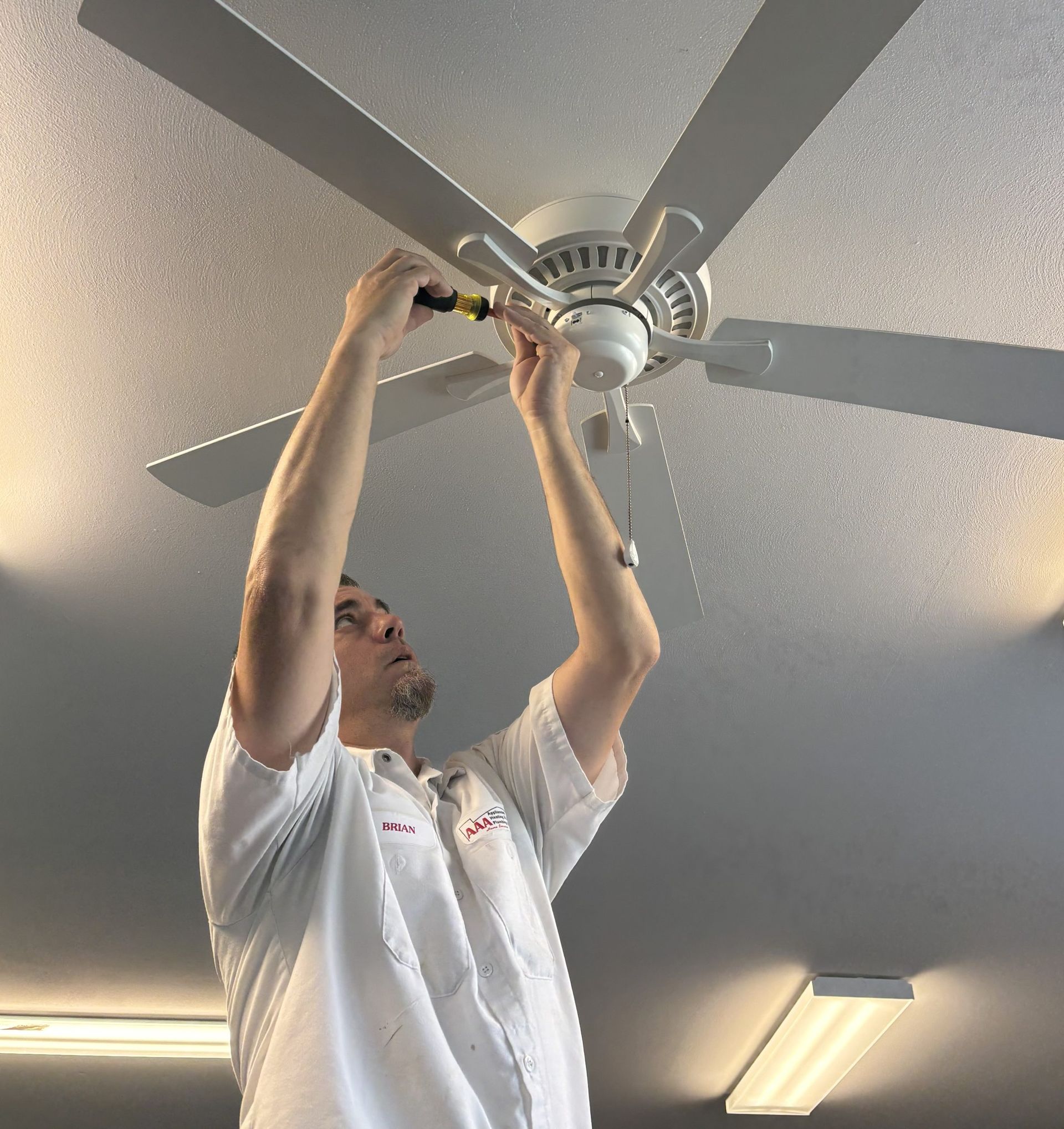
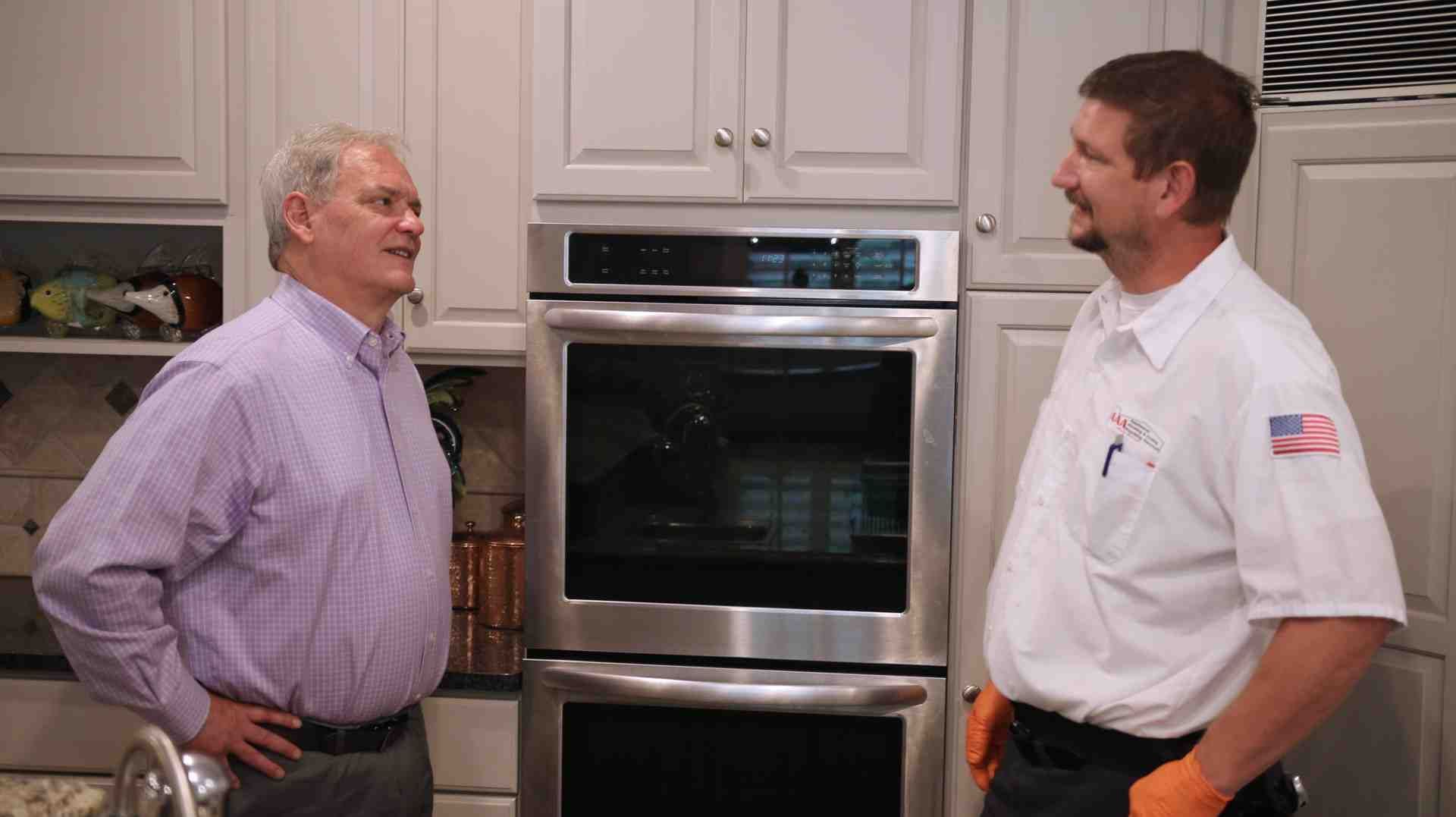
At AAA Home Services our technicians handle the full range of HVAC repair and maintenance for homeowners across St. Charles County. They don't work on commission, so there's no push to sell a system when a repair is right, and no push toward a repair when replacement makes more sense. You get an honest read on the equipment in front of them.
What a Fall Tune-Up Should Cover
A thorough September inspection includes:
- Heat exchanger inspection for cracks or corrosion
- Burner cleaning and flame sensor testing
- Igniter testing and measurement
- Flue inspection for blockages or damage
- Blower motor and belt check
- Thermostat calibration
- Filter replacement
- Carbon monoxide test at the registers
- Humidifier inspection and water panel replacement
- Electrical connection tightening
If your technician isn't covering most of that, the inspection isn't thorough. Ask what's included before the visit.
To book a fall tune-up, or to ask about a system that's already acting up, contact AAA Home Services or call (636) 397-3200. September slots fill faster than most people expect.
We also serve homeowners across St. Louis, MO, including AC service and furnace repair in St. Louis.
Frequently Asked Questions
How often should a furnace be serviced in St. Charles County?
Once a year, ideally in early fall before heating season. If you run central air too, add a spring tune-up for the cooling side. Annual service extends equipment life, keeps warranty coverage intact on newer systems, and catches problems before they turn into failures.
What does short cycling mean, and is it serious?
Short cycling is when the furnace or AC starts, runs briefly, then quits before finishing a full cycle. It nearly always means something is wrong: a dirty flame sensor, a tripped high-limit switch, an overheating problem, or a system oversized for the space. Get it diagnosed rather than ignoring it. It wears the equipment out and pushes utility bills up.
Is it normal for a furnace to smell when first turned on in fall?
A mild dust smell on the season's first startup is common and usually harmless. It's dust burning off the heat exchanger, and it should fade within an hour. Anything that lingers, or that smells like burning plastic, rubber, or chemicals, needs looking at right away. Turn the system off and call for service.
Can I do the HVAC tune-up myself?
You can handle the basics: swapping filters, clearing debris around the outdoor unit. The rest of a real inspection, testing the heat exchanger, measuring igniter resistance, checking gas pressure, inspecting the flue, takes tools and training. Attempting it without either is how problems get missed or created. The professional inspection earns its cost.
How do I know if my heat exchanger is cracked?
Usually you don't, not from the outside. A technician uses a combustion analyzer plus visual and specialized inspection. Some symptoms hint at it, headaches while the furnace runs, a flickering burner flame, a faint metallic smell, but their absence proves nothing. This is one of the clearest arguments for annual inspection.
What's the average lifespan of a furnace in Missouri?
A well-maintained furnace typically runs 15 to 20 years. St. Charles County's winters are long enough that systems work hard here. If yours is nearing 15 and starting to need repairs, a replacement conversation is reasonable. One that's been serviced regularly and shows no major issues may go to 20 or past it.