

Why Acting Fast on Drain Problems Protects Your Home
Drain pipe repair addresses leaking, cracked, or broken pipes that carry wastewater away from your home. Here’s what you need to know:
Quick Answer: Signs You Need Drain Pipe Repair
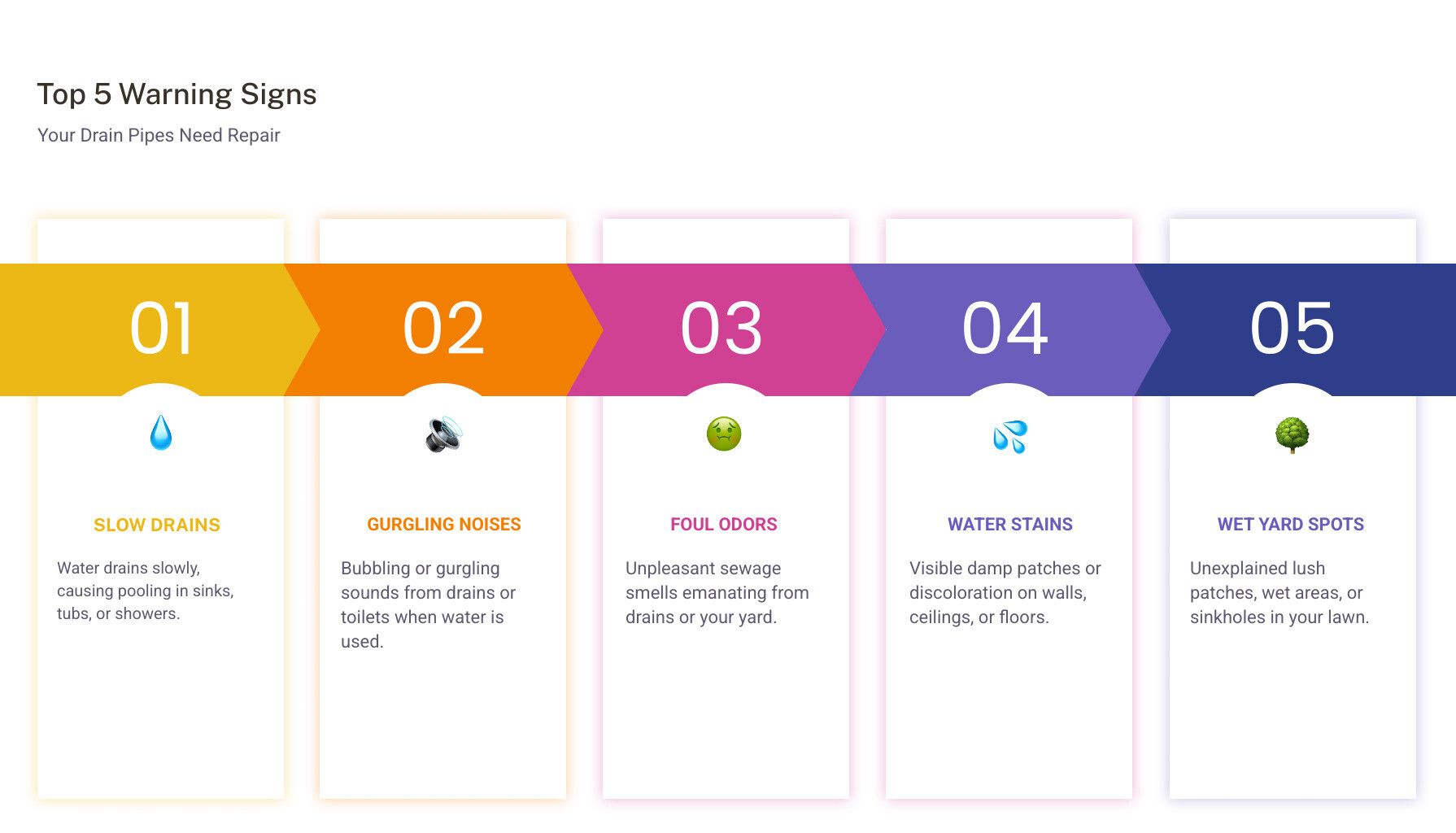
- Slow drains throughout your home
- Foul odors from drains or yard
- Water stains on ceilings or walls
- Gurgling sounds when water drains
- Wet spots or sinkholes in your yard
- Sewage backup in tubs or toilets
Common Repair Methods:
- Trenchless repairs (CIPP lining, pipe bursting) – no digging required
- Traditional excavation – full pipe replacement
- Spot repairs – fixing specific damaged sections
When drain pipes fail, they don’t just cause inconvenience. Leaking sewage can lead to health hazards, attract pests, and cause thousands in water damage to your foundation and home.
I’m Dan Walsh , and I’ve spent years managing drain pipe repair projects for homeowners across the Greater St. Louis area. At AAA Home Services, we’ve helped countless families solve urgent drain pipe repair problems with clear communication and lasting solutions.
Understanding the Drain Pipe Repair Process
A properly functioning drainage system is the unsung hero of a comfortable home. It quietly whisks away wastewater, keeping our living spaces clean and hygienic. But when something goes wrong with a drain pipe, it can quickly turn into a major headache. Recognizing the early warning signs and understanding the underlying causes are the first steps toward effective drain pipe repair .
Telltale Signs Your Drain Pipes Need Attention
Your home often gives you clues when something is amiss with the plumbing. Ignoring these signals can lead to bigger, more costly problems. Here are the common signs that indicate your drain pipes are crying out for attention:
- Slow-moving drains: If water takes an eternity to disappear down your sink, shower, or bathtub, it’s a classic indicator of a partial blockage or damage.
- Backed-up wastewater: If wastewater starts backing up into your tubs, showers, or sinks, it means there’s a significant obstruction or collapse. This is a serious health hazard.
- Unpleasant Bathroom or Basement Plumbing Smells in Your Home: A persistent foul, sewage-like odor from drains, your basement, or your yard is a strong signal of a compromised drain pipe.
- Gurgling sounds: Strange gurgling noises from your drains or toilet can mean air is trapped in the lines, often due to a blockage.
- Sinkholes or lush patches of grass: Sinkholes or unusually green spots in your yard could be a sign of an underground drain pipe leak.
- Pest problems: A sudden increase in pests like rodents can be tied to a broken drain line providing them with a water source.
When you observe any of these signs, it’s a good idea to call in the professionals. As Maureen B. from Ballwin, MO shared, “Of all the plumbers we have hired they were the most professional, reliable, good quality and overall good people! Family owned and they are just excellent.”
Common Causes of Pipe Damage
Understanding why drain pipes fail helps us address the root of the problem. Several factors contribute to drain pipe damage:
- Persistent clogs: The pressure from constant blockages of grease, hair, and other debris can eventually crack or break pipes. Regular Spotting Preventing Drainage Clogs is key to avoiding this.
- Tree root intrusion: A common and destructive problem. Roots seek water and can invade pipes through tiny cracks, eventually growing to block or shatter the line.
- Corrosion and age: Older pipes, like cast iron or galvanized steel common in St. Louis homes, corrode over time. This weakens the pipe, leading to leaks and breaks. All pipes have a limited lifespan and will eventually need replacement.
- Shifting soil: The ground can shift due to moisture changes or settlement, putting stress on pipes and causing them to crack or separate.
- Freezing temperatures: Water expands when it freezes, and this pressure can easily crack or burst pipes, especially in uninsulated areas.
- Pipe bellies: Improper installation or soil settlement can cause a section of an underground drain pipe to sag. This “belly” collects waste and water, leading to chronic clogs and eventual pipe failure.
The Professional Drain Pipe Repair Diagnostic Process
Guessing is not a good strategy for plumbing problems. That’s why a professional diagnostic process is crucial. At AAA Home Services, we use advanced techniques to accurately identify the problem and recommend the most effective drain pipe repair solution.
The cornerstone of our approach is the video camera inspection . This non-invasive method allows us to get a real-time, up-close look at the inside of your drain pipes without digging. A high-resolution camera is fed through the pipe, transmitting a live video feed to our technicians.
This technology allows us to:
- Accurately diagnose the exact nature and location of the problem, whether it’s a clog, crack, collapse, or root intrusion.
- Pinpoint leaks , even under concrete slabs, minimizing the amount of invasive work needed for repair.
- Identify blockages and what’s causing them, which is critical for choosing the right Drain Cleaning method.
- Assess the overall condition of your pipes, spotting corrosion or deterioration that could cause future issues.
Once the inspection is complete, our certified plumbers provide a detailed assessment and an informed recommendation for the necessary drain pipe repair . This thorough approach saves you time, money, and stress. Learn more about our Sewer Repair services, which often begin with this precise diagnostic step.
Choosing the Best Repair Method for Your Home
When it comes to drain pipe repair , not all solutions are created equal. The best approach depends on the nature of the damage, the pipe’s location, its material, and your long-term goals.
Temporary Fixes vs. Permanent Solutions
It’s crucial to understand the limitations of temporary fixes for pipe leaks. These solutions are not permanent. They don’t address the underlying cause of the damage and still carry a risk of water damage, mold, and structural issues if the problem worsens.
For any significant leak or recurring issue, a professional assessment is always the wisest course of action. Our team can provide a lasting Leaky Pipe Repair that ensures your home’s integrity. A trained plumber should always perform the final repair to fully resolve the issue.
Modern vs. Traditional Drain Pipe Repair Methods
The landscape of drain pipe repair has evolved dramatically. Today, we have a range of options, including advanced trenchless technologies that minimize impact on your property. The EPA itself highlights the importance of trenchless sewer rehabilitation in addressing aging infrastructure, noting its minimal disturbance and environmental benefits. You can learn more about these advancements in their fact sheet on Trenchless Sewer Rehabilitation.
Here’s a comparison of the main approaches:
| Feature | Traditional Excavation (Dig & Replace) | Modern (Trenchless) Repair |
|---|---|---|
| Disruption | High. Involves digging trenches, which can damage landscaping, driveways, and patios. | Low. Requires only small access points, preserving your property. |
| Durability | Excellent. A brand new pipe is installed. | Excellent. Creates a new, seamless pipe with a 50+ year life expectancy. |
| Cost | Can be higher due to labor for digging and the cost of restoring your property. | Often more cost-effective by eliminating the need for extensive excavation and restoration. |
| Speed | Can take several days, including restoration work. | Typically much faster, often completed in a day. |
| Best For | Severely collapsed or inaccessible pipes. | Repairing pipes under structures, landscaping, or driveways. Corrects leaks, cracks, and root intrusion. |
Trenchless Methods
Trenchless drain pipe repair allows us to rehabilitate or replace pipes with minimal disruption.
- Cured-In-Place Pipe (CIPP) Lining: Ideal for pipes with cracks, leaks, or root intrusion that are still structurally sound. We insert a resin-saturated liner into the old pipe, which then hardens to create a new, seamless pipe inside the old one. This seals cracks and prevents root intrusion, extending the pipe’s life by up to 50 years.
- Pipe Bursting: When a pipe is severely damaged or collapsed, we can pull a new, stronger pipe through the old one, fracturing the old pipe outward. This replaces the line entirely and can even increase its diameter for better flow.
Traditional Excavation
This classic method involves digging a trench to access and replace the damaged pipe section. We typically opt for traditional excavation when the pipe is completely collapsed, severely misaligned, or when trenchless methods aren’t feasible. The location of the pipe—under a slab, in a wall, or in the yard—is a major factor in choosing the best method, as excavation can be very disruptive and costly in certain areas.
Factors Influencing the Choice of Repair Method
When deciding on the best drain pipe repair method, we consider:
- Pipe material and age: Older materials like cast iron are prone to corrosion.
- Extent of damage: Minor cracks may only need lining, while a collapse requires replacement.
- Location: Pipes under driveways or landscaping are ideal for trenchless repair.
- Budget: Trenchless methods can be more cost-effective by avoiding restoration costs.
We work with you to choose the most appropriate solution. As Sara B. from Creve Couer, MO, shared, “Fast, professional, honest. AAA is my go-to home repair provider. I am not from the area and do not much about plumbing, but did not feel taken advantage of. I worked with Jim and he walked me through everything and answered all of my questions.”
Why Trust a Certified Plumber for Your Repair
When your home’s drainage system is in distress, entrusting the job to a certified, experienced plumber is a necessity. At AAA Home Services, with over 50 years of experience and a team of highly-rated professionals, we bring unparalleled expertise to every job.
Drain Pipe Repair vs. Sewer Line Repair: Understanding Responsibility
It’s important to know the difference:
- Drain pipes are the smaller lines that connect individual fixtures (sinks, showers, toilets) to the main sewer line.
- Sewer lines are the larger pipes that carry all wastewater from your home to the municipal system.
As a homeowner, you are responsible for the maintenance and repair of all pipes on your property, up to the point where they connect to the city’s system. Our plumbers are experts in diagnosing and repairing both drain and sewer line issues.
Expertise and Long-Term Solutions
Our certified plumbers have in-depth knowledge of all pipe materials, from modern PVC to older cast iron and galvanized steel. We understand their unique vulnerabilities and can recommend the most appropriate and lasting drain pipe repair method for your home.
A professional repair isn’t just about fixing the immediate problem; it’s also about preventing future ones. We can advise you on effective long-term maintenance strategies:
- Regular Drain Cleaning: Professional cleaning removes buildup before it can cause damage.
- Mindful disposal: Avoid pouring grease, oil, or harsh chemicals down your drains.
- Tree root management: Regular inspections can prevent invasive roots from damaging pipes.
A broken drain pipe is a significant risk. Leaking wastewater can lead to structural damage, hazardous mold growth, and pest infestations. A professional drain pipe repair not only fixes the leak but also protects your home from these devastating consequences.
Why Choose AAA Home Services?
Choosing a certified plumber from AAA Home Services means choosing peace of mind. Our licensed and insured plumbers adhere to local codes, ensuring that all repairs are done correctly and safely the first time. We provide clear communication, honest assessments, and lasting solutions.
We’re proud to serve homeowners in St. Louis, St. Charles, O’Fallon, Lake St. Louis, Warrenton, Wentzville, Cottleville, Chesterfield, Ballwin, Ellisville, Town & Country, Maryland Heights, Creve Coeur, Webster Groves, Kirkwood, Clayton, and Brentwood, MO.
When you need reliable plumbing expertise, we’re just a call away. You can easily Find Plumbers Near Me through our website, or simply Request Service directly. As Lynn H. from Maryland Heights, MO, shared, “We have used AAA for a number of projects this year including ceiling fan replacement, plumbing problems, electrical work, and most recently a toilet replacement. Every technician has provided excellent quality work at a good price when they say they will be here. We have a number of planned projects, so have benefitted from the Service Club Membership to save money.”
The post Your Guide to Seamless Drain Pipe Repair appeared first on AAA Home Services.