

The Ultimate Guide to Electrical Wiring
Why Understanding Electrical Wiring Matters for Your Home
Electrical wiring is the hidden network powering your home—from lights and outlets to major appliances. For homeowners in the Greater St. Louis area, understanding the basics helps you recognize problems early and keep your family safe.
Quick Answer: What You Need to Know About Electrical Wiring
- Wire Colors : Black/red are hot, white is neutral, green/bare copper is ground.
- Common Wire Sizes : 14-gauge for lights, 12-gauge for outlets, 10-gauge for major appliances.
- Cable Types : NM-B (Romex) for interior, UF for underground, MC for metal protection.
- Safety First : Electrical work requires professional expertise and specialized testing equipment.
- Code Compliance : The National Electrical Code (NEC) sets safety standards.
- Professional Help : Complex work requires licensed electricians for safety and compliance.
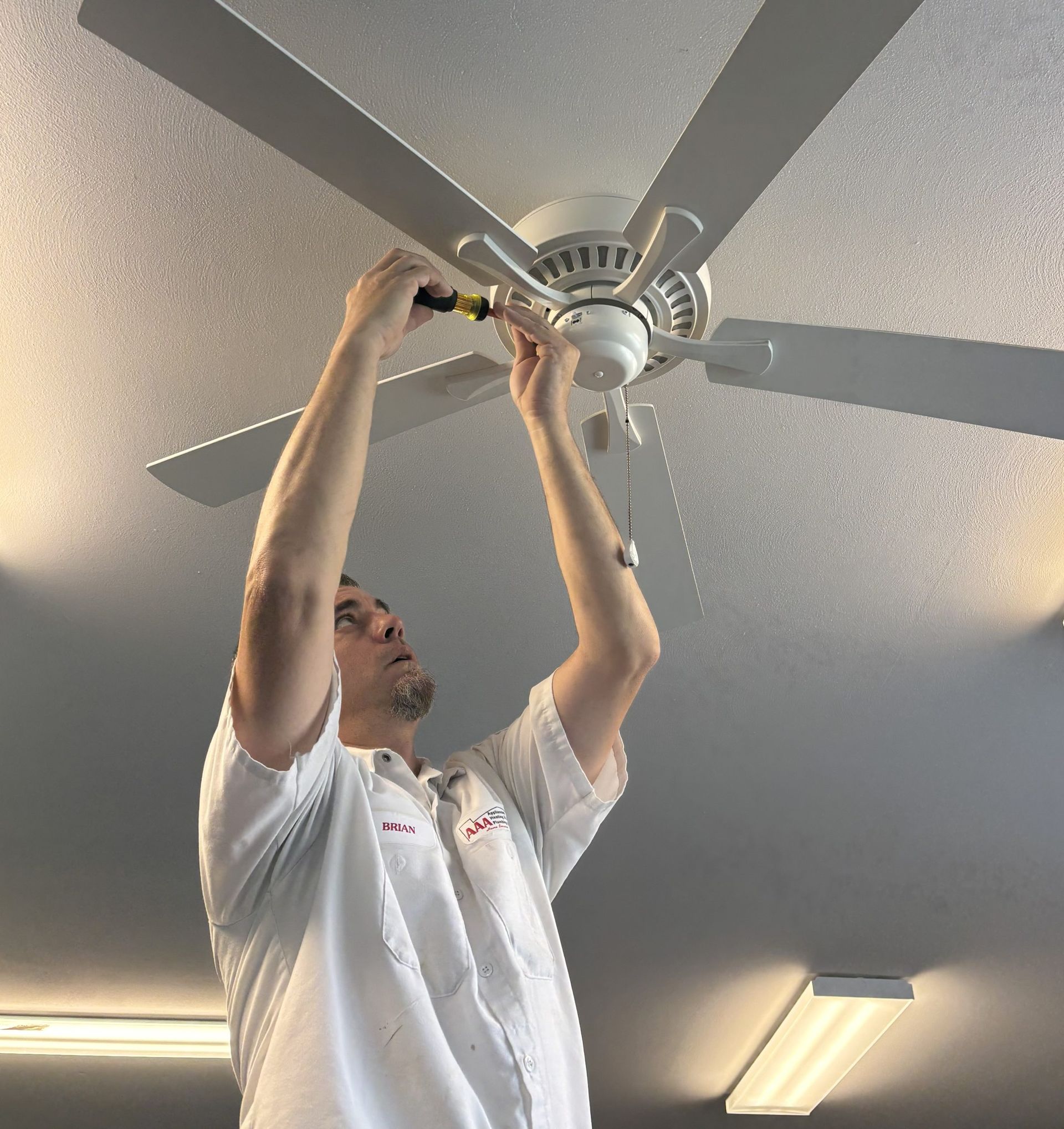
Most homes contain about two miles of cable . This system uses circuit breakers to protect against overloads and shorts, preventing fires. Common projects include adding outlets, upgrading to GFCI protection in wet areas, and installing ceiling fans.
As Dan Walsh, I’ve overseen countless electrical projects throughout St. Louis, St. Charles, Warren, and Lincoln County. At AAA Home Services, our technicians stay current with the latest NEC standards to ensure your home remains safe and functional.
Understanding the Fundamentals of Electrical Wiring
Your home’s electrical system relies on the American Wire Gauge (AWG) standard. The smaller the AWG number, the larger the wire. Most modern residential wiring uses copper (CU) due to its superior conductivity and safety. While aluminum was used in the past, it is prone to oxidation and loose connections; modern standards typically require copper for branch circuits.
| Wire Gauge (AWG) | Typical Amperage | Common Household Application |
|---|---|---|
| 14-gauge | 15 amps | Lighting circuits, low-power outlets |
| 12-gauge | 20 amps | General outlets, kitchen circuits |
| 10-gauge | 30 amps | A/C units, water heaters, dryers |
| 8-gauge | 40 amps | Electric ranges, subpanels |
| 6-gauge | 50 amps | Large ranges, main feeders |
Decoding Electrical Wiring Color Codes
Scientific research on proper grounding safety emphasizes that consistent color coding is vital for safety. In the U.S., the NEC defines these standards:
- Black/Red Wires : “Hot” wires that carry live current. Always treat them as energized.
- White/Gray Wires : “Neutral” wires that complete the circuit by returning current to the panel.
- Green/Bare Copper : “Ground” wires that provide a safety path for excess current to prevent shocks.
- Blue/Yellow : Often used as “travelers” in three-way switches.
For more detailed insights, explore More info about electrical house wiring.
Common Types of Electrical Cables in Missouri Homes
- NM-B Cable (Romex) : The standard for interior wiring. The jacket color often indicates the gauge (White = 14, Yellow = 12, Orange = 10).
- MC Cable (Metal-Clad) : Features a flexible metal sheath for superior physical protection.
- UF Cable (Underground Feeder) : A moisture-resistant, direct-burial cable for outdoor use.
- THHN/THWN Wires : Individual conductors designed to be pulled through protective conduit.
Professional electricians verify jacket labels for the UL listing and voltage rating. If you are dealing with outdated systems, learn More info about rewiring a house.
Maintaining a Safe and Compliant Electrical System
Every wire has an amperage capacity . Exceeding this limit causes overheating and fire risks. Safety devices like AFCI (Arc Fault Circuit Interrupter) and GFCI (Ground Fault Circuit Interrupter) outlets are essential. AFCIs prevent fires from arcing, while GFCIs prevent shocks in wet areas like kitchens and bathrooms. All connections must be secured inside junction boxes to contain potential sparks.
The National Electrical Code safety standards provide the foundation for these requirements. At AAA Home Services, we ensure all work in St. Louis and surrounding counties meets these rigorous standards.
Identifying Common Electrical Wiring Issues
Recognizing early warning signs can prevent major hazards:
- Tripping Breakers : Often indicates an overloaded circuit or a short circuit.
- Flickering Lights : May signal loose wiring or voltage fluctuations.
- Warm Outlets : A serious sign of excessive current or poor connections.
- Burning Smells : Indicates overheating components; requires immediate professional attention.
- Rodent Damage : Pests chewing on insulation can expose live wires.
If you notice these issues, avoid DIY repairs and contact a professional. For persistent problems, consider More info about electrical panel upgrades.
The Role of the Main Service Panel
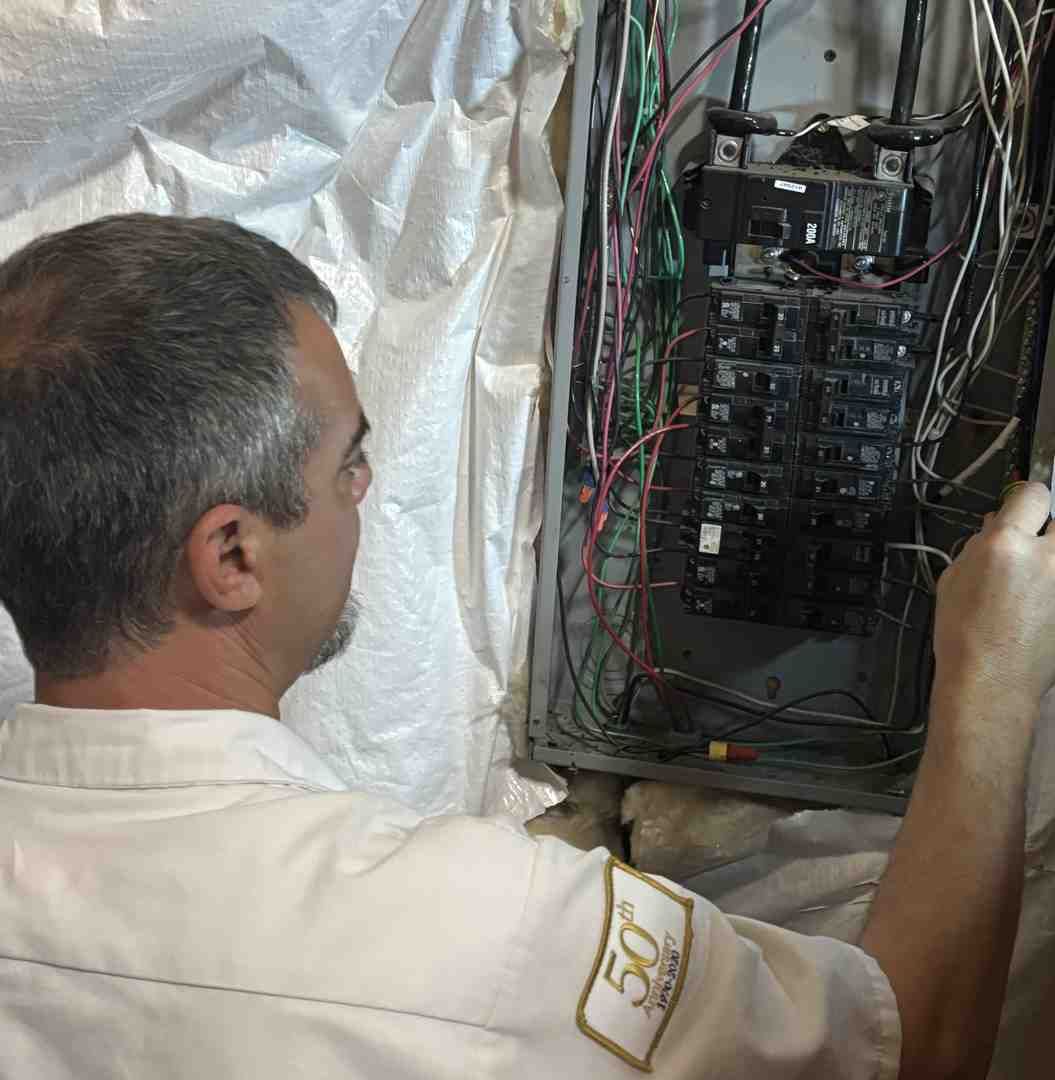
The main service panel is the heart of your home’s power. It distributes electricity through circuit breakers that trip to prevent damage. It also houses the main breaker , which shuts off power to the entire house. Larger appliances like electric ranges require 240-volt circuits , which draw from two 120-volt lines. Because the incoming service lugs remain energized even when the main breaker is off, only licensed professionals should perform panel work. Learn More info about professional electricians ready to help.
Essential Safety Precautions and Code Compliance
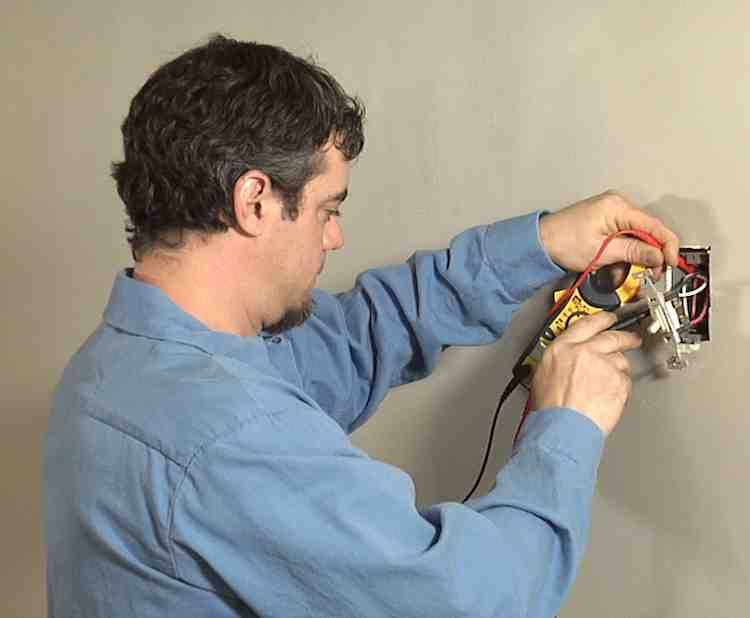
When dealing with electricity, safety is paramount. Professional electricians utilize strict safety protocols, including turning off power at the breaker and using voltage testers to confirm the circuit is de-energized. Professional electricians use strict lockout procedures and specialized tools to ensure safety. Modern codes also require proper conduits in exposed areas to protect wiring from damage. For more answers, see our More info about home electrical FAQ.
Why Professional Installation Matters for Your Home
DIY electrical work carries significant risks of fire and shock. AAA Home Services has provided award-winning service to St. Louis, St. Charles, Warren, and Lincoln County since 1970. We often offer Same Day/Next Day service to address your needs quickly.
Customer Testimonials:
“Sharon S., Wentzville, MO – We use AAA for all home services as we are service club members. They do great work and are always pleasant and respectful of our home. Very happy with the knowledge of their respective trades and their ability to quickly diagnose issues. Love this business!”
“Mike M., St. Louis, MO – AAA Home Services did a great job installing our new electrical panel. The technician was professional and cleaned up after the work was done. Highly recommend!”
For expert assistance, visit our Professional Electrical Wiring Services page.
The post The Ultimate Guide to Electrical Wiring appeared first on AAA Home Services.