

New Relief Valve Leaking? Uncover the Mystery of Constant Drips
Understanding Why New Pressure Relief Valves Sometimes Leak
A leak from a new pressure relief valve can be frustrating. Here’s what you need to know:
Common Causes of Pressure Relief Valve Leaks:
- Excessive water pressure – When home pressure exceeds 80 psi or the valve’s 150 psi limit
- Thermal expansion – Hot water expanding in a closed system with nowhere to go
- Overheating – Water temperature exceeding the valve’s 210°F safety threshold
- Malfunctioning thermostat – Causing water to overheat and trigger the valve
- Wrong valve size – A valve rated below the tank’s working pressure
- Failed expansion tank – Unable to absorb water expansion as it heats
- Debris or sediment – Preventing the valve from sealing properly
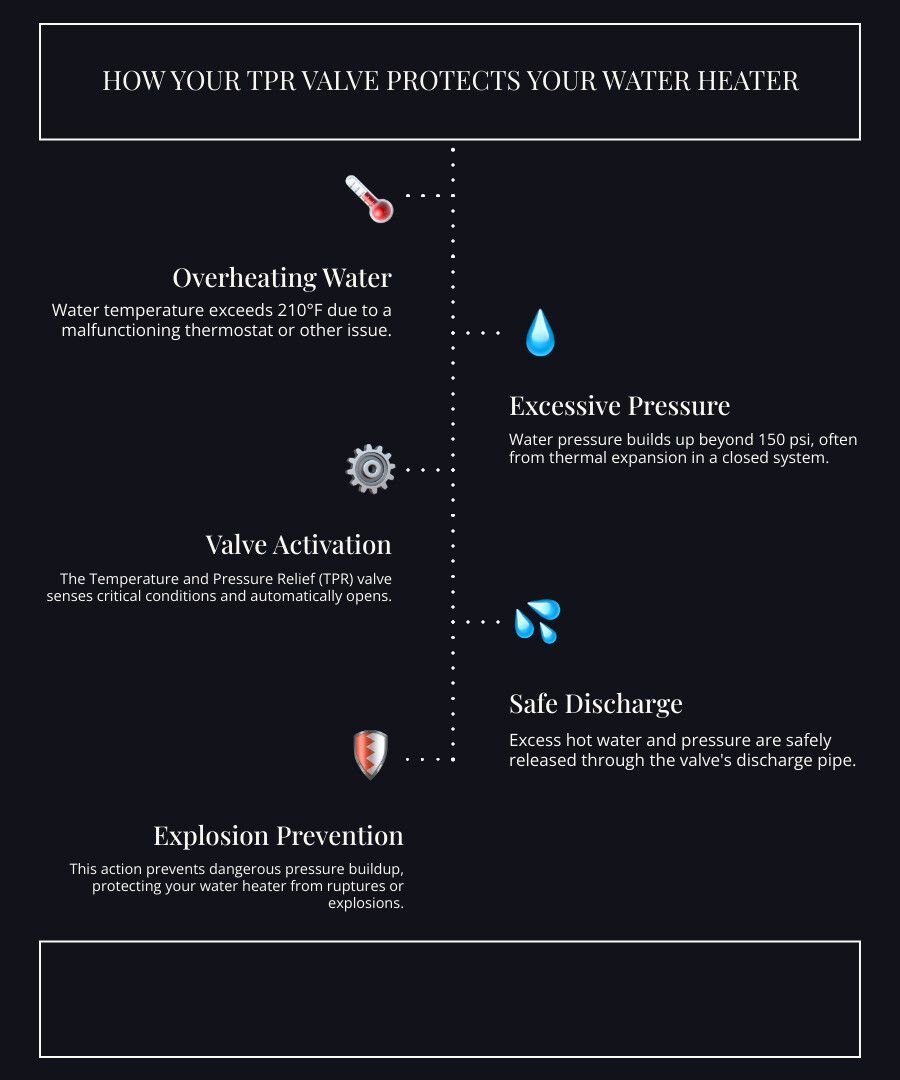
A temperature and pressure relief (TPR) valve is a critical safety device on your water heater. It opens to release water when the temperature exceeds 210°F or pressure exceeds 150 psi, preventing dangerous pressure buildup that could cause tank ruptures.
The valve itself isn’t always the problem. A new valve will leak if an underlying issue like excessive pressure, thermal expansion, or overheating hasn’t been addressed. The leak means the valve is doing its job, protecting your home from a more serious failure.
As Dan Walsh of AAA Home Services, I’ve seen countless water heater repairs where pressure relief valve leaks are misunderstood. While it’s tempting to replace a dripping valve, the real solution is diagnosing why the valve is activating in the first place.
Find more about pressure relief valve leaks :
Diagnosing the Cause of Pressure Relief Valve Leaks
When your water heater’s pressure relief valve drips, it’s sending an important message. It’s a red flag for a more serious issue. The good news is that once we identify the trigger, we can fix the real problem and restore your peace of mind.
Excessive Water Pressure & Thermal Expansion
High water pressure is a frequent culprit behind pressure relief valve leaks . Home plumbing systems work best between 40-80 psi. When pressure approaches the TPR valve’s 150 psi trigger point, the valve opens to release water and protect your system.
How do we know if pressure is the problem? We use a simple pressure gauge attached to an outdoor spigot or laundry room faucet. If the reading consistently hovers above 80 psi, or if we see pressure spikes approaching 150 psi, we’ve found our answer.
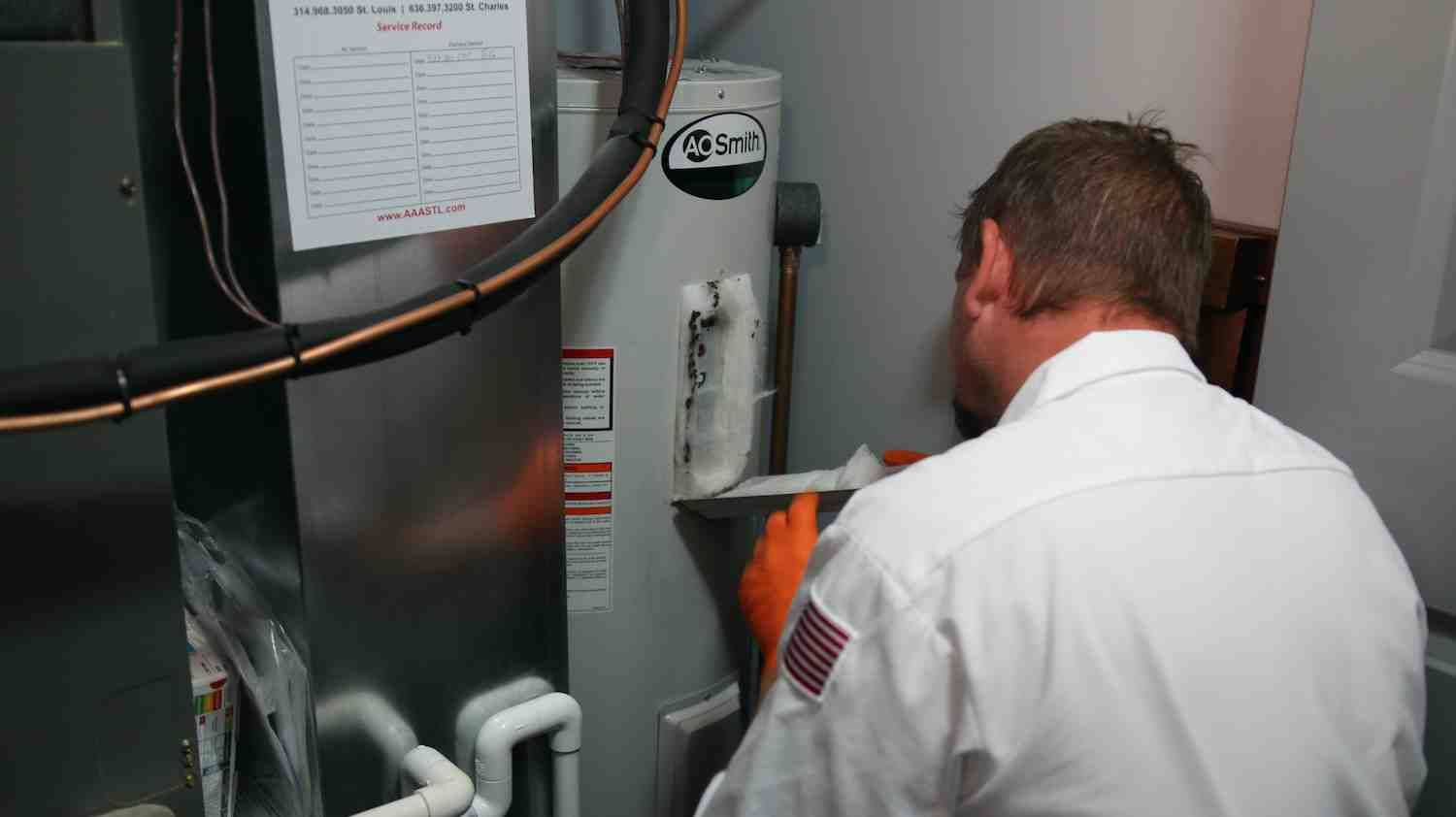
Another pressure-related issue is thermal expansion . When water heats up, it expands. In older plumbing, this water could flow back into the main supply. However, modern homes often have a closed plumbing system due to check valves or pressure-reducing valves on the main water line.
In a closed system, that expanding hot water has nowhere to go. It’s trapped inside your water heater tank, building pressure until it reaches that 150 psi limit. That’s when your TPR valve springs into action, releasing water to prevent dangerous pressure buildup.
The solution? A pressure-reducing valve can regulate incoming water pressure to a safer 50-70 psi range. An expansion tank acts like a cushion, absorbing the expanded water and preventing pressure from spiking. These are essential components in modern closed plumbing systems.
As David B. shared: “I had a water heater that was leaking. I called AAA and they had a technician out the same day. He was very professional and knowledgeable. He explained everything to me and gave me a fair price. I would definitely recommend them to anyone.” We believe in taking the time to explain what’s happening in your home and why certain solutions make sense.
Overheating and Malfunctioning Thermostats
Temperature is the other half of the TPR valve’s job. When water hits 210 degrees Fahrenheit , the valve opens to prevent it from turning into superheated steam, which could cause an explosion.
A malfunctioning thermostat is the most common cause of overheating. It should maintain water at a safe temperature, typically around 120 degrees Fahrenheit —hot enough for showers and dishes, but not a scalding risk.
When a thermostat goes haywire, it might fail to shut off the heating elements or gas burner. The water just keeps heating. By the time it reaches 210°F, your TPR valve is your home’s last line of defense, releasing that dangerously hot water before something catastrophic happens.
Water at 140°F can cause serious burns in just a few seconds. If you notice your household water is unusually hot, or if the TPR valve is periodically releasing large amounts of very hot water, a faulty thermostat is likely to blame.
Diagnosing a malfunctioning thermostat requires specialized tools. Our trained technicians can quickly identify if your thermostat is working properly and recommend the right repair or replacement to keep your family safe.
A Worn, Damaged, or Debris-Filled Valve
Sometimes the valve itself is the problem. Over time, valves can wear out, corrode, or get clogged with debris.
Sediment buildup is common. Minerals from your water accumulate inside the valve, preventing it from seating properly. This causes a persistent drip even when pressure and temperature are normal.
Corrosion also takes its toll, especially on older valves. The internal components degrade, the seal becomes compromised, and water finds its way through. We also occasionally find valves that are physically damaged or the wrong size. A valve rated for 30 psi—common on boilers—will leak constantly on a water heater because normal system pressure exceeds its rating.
Attempting to clear debris from a valve can seem like a solution, but if the valve is old, corroded, or consistently leaking, replacement is the only safe option. We never take chances with safety devices.
If water is seeping from where the valve connects to the tank, that’s a different problem. It usually means the tank has failed at that connection point, and you’ll likely need a new water heater.
As John S. told us: “Our water heater went out and we called AAA. They were able to get a new one installed the same day. The technician was very professional and did a great job. We are very happy with the service we received.” We understand that water heater problems can’t wait, and our team works quickly to get your home back to normal.
For more technical details about various types of valve leaks, you can review this technical bulletin on leaking valves.
Your Guide to Resolving Leaks and Preventing Future Problems
Finding a pressure relief valve leak can be alarming, but knowing what to do makes all the difference. Most leaks are manageable with the right approach. Let’s walk through the immediate steps, preventative maintenance, and when to call a professional.
Immediate Steps for a Leaking Valve
The moment you spot water dripping from your TPR valve, you need to act thoughtfully to protect your home and family.
First, shut off the power source. For an electric water heater, flip the corresponding breaker in your electrical panel. For a gas water heater, turn the control dial at the base of the unit to “Off.” This stops the water from continuing to heat.
Next, turn off the cold water supply feeding into your water heater. You’ll find this shut-off valve on the pipe leading into the top of your tank. Turn it clockwise until it stops to prevent more water from entering the tank.
Now, contain the water. Place a bucket under the discharge pipe of the TPR valve to catch any dripping water. If it’s a steady leak, you’ll need to empty the bucket periodically.
While it’s tempting to try a DIY fix, we strongly recommend calling a professional. Extensive DIY repairs on this critical safety device are risky. An improperly installed or faulty TPR valve can lead to dangerous pressure buildup in your tank—a gamble no homeowner should take.
If you do need a replacement, verifying the correct valve rating is absolutely essential. Your TPR valve should have a label showing its pressure rating (typically 150 psi) and temperature rating (210°F). These numbers must match or exceed your water heater’s specifications. A visual inspection by one of our trained technicians can determine if the valve is compromised or if there’s a deeper system issue.
The Importance of Professional Maintenance to Prevent Pressure Relief Valve Leaks
Preventing pressure relief valve leaks is far easier and less expensive than dealing with the aftermath. Regular professional maintenance is your best defense against unexpected leaks and the problems they signal.
Annual water heater flushing is key. Sediment and mineral deposits settle in your tank, causing hot spots that can trigger the TPR valve. Annual flushing by our technicians removes these minerals, keeping your system running efficiently.
Professional valve testing goes beyond a simple DIY check. Our technicians perform thorough inspections to catch early warning signs like corrosion or wear patterns, spotting issues before they become major problems.
Monitoring and managing water pressure is another crucial preventative measure. We can test your home’s water pressure and, when needed, install a pressure-reducing valve or expansion tank to keep everything operating within safe parameters. This single upgrade often eliminates recurring valve leaks.
A powered anode rod is a popular maintenance-free alternative to traditional anode rods. It uses a small electrical current to stop corrosion inside your water heater tank, which helps minimize sediment buildup and can extend the life of your water heater and its components.
You might wonder: Do tankless water heaters have a pressure relief valve? Since tankless units don’t store water, they don’t have TPR valves like conventional water heaters. However, they do have their own safety mechanisms that require professional maintenance.
Mary H. captures the value of staying ahead of problems: “We have been using AAA for years and have always been happy with their service. They are always on time, professional, and do a great job. We would highly recommend them to anyone.” Our Service Club membership provides regular maintenance visits, exclusive discounts, and priority scheduling—helping you catch small issues before they turn into costly repairs.
When to Call the Experts for Pressure Relief Valve Leaks
Sometimes it’s obvious you need professional help, but other times the signs are subtle. Knowing when to call can save you from water damage, wasted energy, and safety hazards.
Call AAA Home Services if you notice any of these warning signs:
- A brand new valve is leaking – This tells us the valve wasn’t the problem. Something in your system needs professional diagnosis.
- The leak is constant or a steady drip – This signals an ongoing safety concern and wastes energy and hot water.
- You hear popping or rumbling from the tank – These sounds usually indicate significant sediment buildup, which contributes to overheating.
- Your water is extremely hot – This means your thermostat is malfunctioning and your tank is overheating, a serious safety issue.
- The leak persists or worsens over time – If the leak continues after you first noticed it, it’s time for our expertise.
As one customer, Susan P., shared: “The technician was very knowledgeable and explained everything he was doing. He was also very friendly and professional. I would definitely use AAA again.”
With over 50 years of experience in the Greater St. Louis, St. Charles, and Warren County areas, AAA Home Services has seen every type of pressure relief valve leak . Our award-winning team doesn’t just patch the problem—we diagnose the root cause to ensure your water heater operates safely and efficiently. We believe in fair, honest pricing and explaining what’s happening with your system.
Don’t let a leaking pressure relief valve disrupt your peace of mind. Schedule your water heater repair service with AAA Home Services today, and let our experienced technicians get your system back to working safely and reliably.
The post New Relief Valve Leaking? Uncover the Mystery of Constant Drips appeared first on AAA Home Services.