

Stop the Drip: A Step-by-Step Guide to Fixing Your Leaky Water Heater
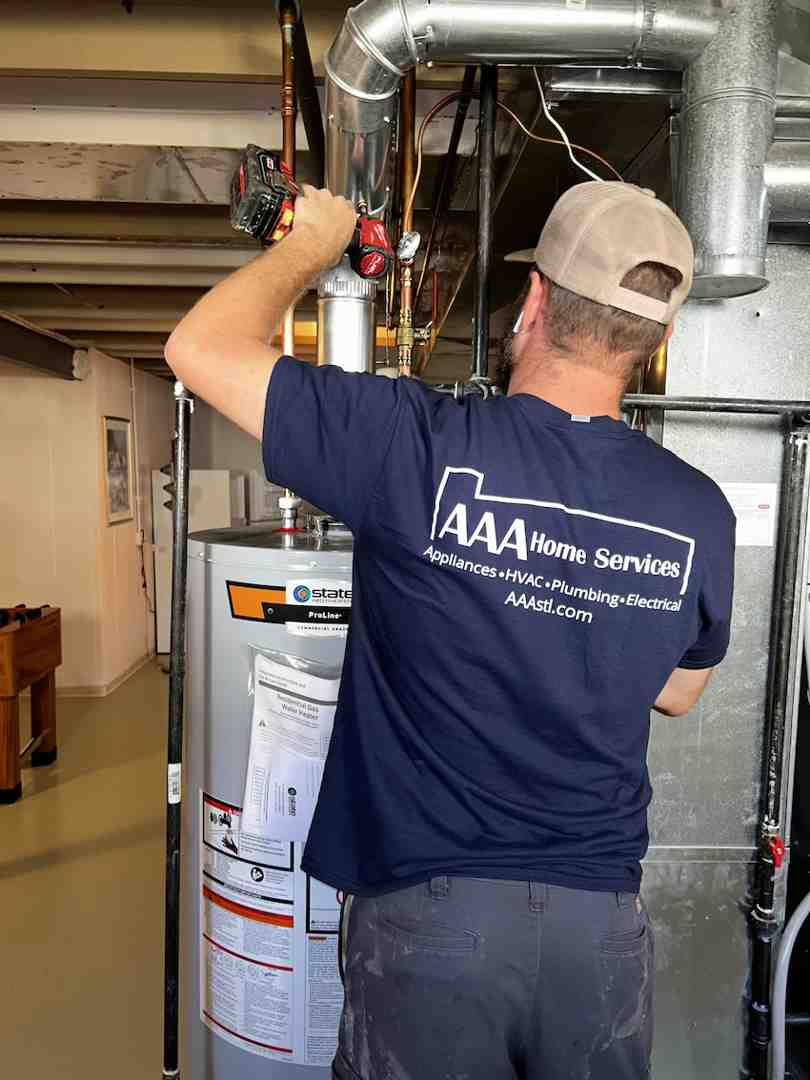
What to Do When You Find a Leaking Water Heater
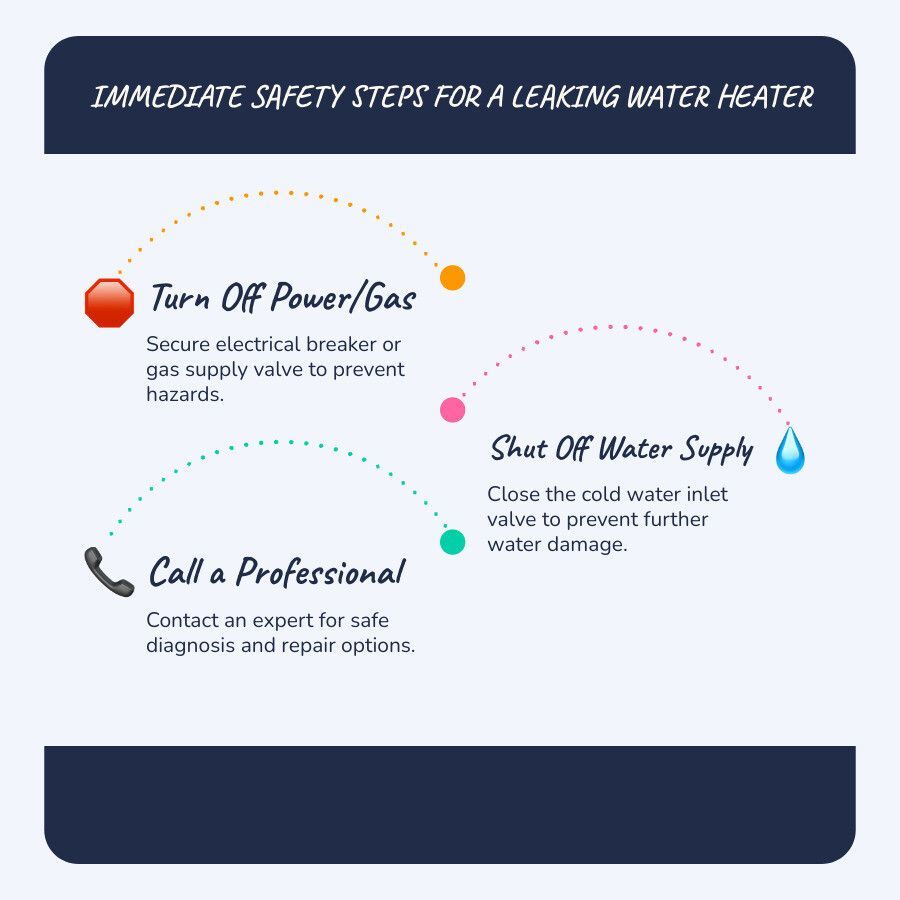
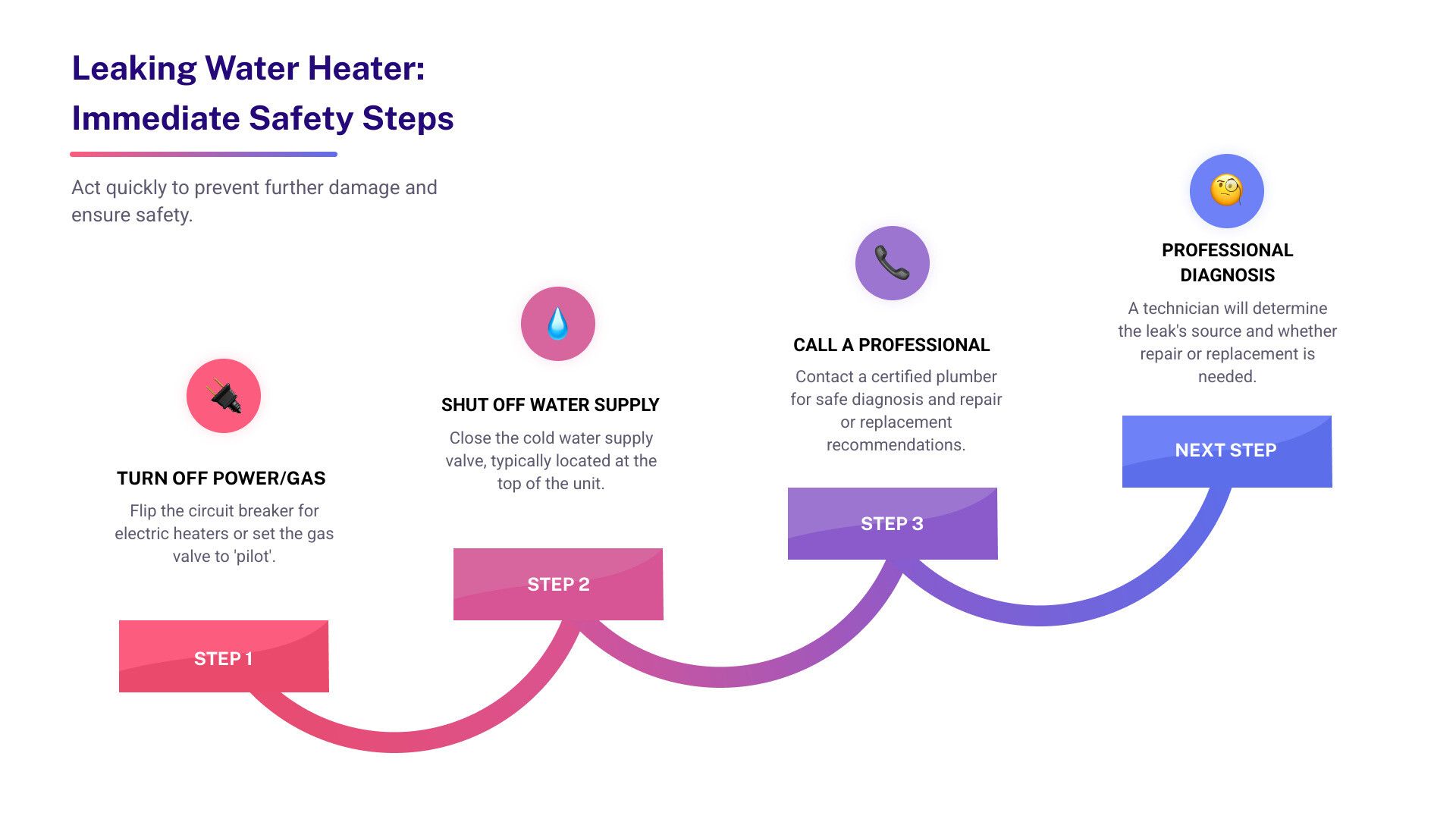
Finding a puddle around your water heater or hearing a constant drip are telltale signs of a leak. Knowing how to repair a leaking hot water heater starts with these three immediate safety steps, followed by a professional diagnosis.
- Turn off the power (flip the circuit breaker for electric heaters) or gas (set to “pilot” for gas heaters).
- Shut off the cold water supply valve at the top of the unit.
- Call a professional plumber to diagnose the leak and recommend repair or replacement.
A water heater leak can cause significant property damage, encourage mold growth, and pose safety hazards. The location and cause of the leak determine whether you need a simple part replacement or a new unit entirely.
Many leaks are from repairable parts like drain valves or loose connections. However, tank corrosion or a unit over 10-12 years old often means it’s time for replacement. A trained professional is needed to safely diagnose the issue.
I’m Dan Walsh, and at AAA Home Services, we’ve helped countless St. Louis area homeowners determine if a repair or replacement is the smarter choice. Our technicians diagnose the exact source of your leak and explain your options clearly, so you can make an informed decision.
How to repair a leaking hot water heater further reading:
How to Repair a Leaking Hot Water Heater: A Professional’s Diagnostic Process
When you find your hot water heater is leaking, understanding the professional diagnostic process can provide peace of mind. At AAA Home Services, we prioritize safety, identify the leak’s origin, and help you decide if repair or replacement is the best path forward.
Immediate Safety Steps & Initial Assessment
The moment you spot a leak, safety is the priority. Water mixing with electricity or gas creates serious hazards. Before any assessment, the unit must be safely powered down and isolated.
- For electric water heaters , flip the corresponding circuit breaker to the “off” position to eliminate shock risk.
- For gas water heaters , turn the gas supply valve to “pilot” or “off” to prevent dangerous gas leaks.
Next, find the cold water inlet pipe at the top of your water heater and turn the shut-off valve clockwise until it stops. This prevents more water from entering the tank and worsening the leak. While you can handle these initial safety measures, a trained plumber from AAA Home Services should perform a thorough Plumbing assessment to find the true cause of the leak.
Identifying the Source of the Leak
Once the area is safe, the detective work begins. Water can travel, so the puddle’s location isn’t always the source. Our technicians inspect various components, as each leak location tells a different story.
-
Leaks at the top often point to loose connections, corroded pipes, or a faulty Temperature and Pressure (T&P) relief valve. A constant drip from the T&P valve could mean a failed valve or excessive system pressure. We also check dielectric fittings, which prevent corrosion that leads to leaks, as noted in scientific research on Dielectric Fittings.
-
Leaks from the side might indicate a problem with the heating element gaskets on electric models or a side-mounted T&P valve.
-
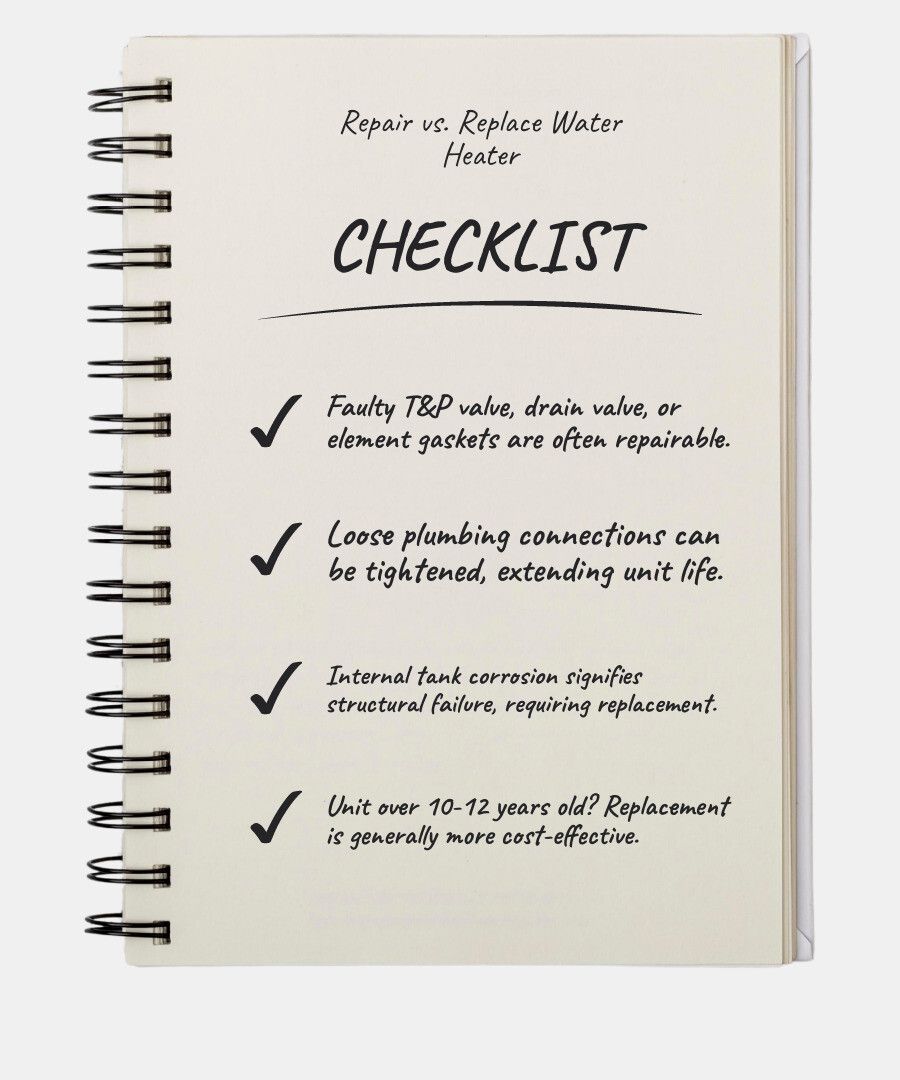
Bottom leaks are a major concern. A leak from the drain valve is usually a simple repair. However, water seeping from the tank body itself indicates internal corrosion and likely means the unit needs replacement.
We also check for Leaky Pipes connected to the unit. Sometimes, the issue is just condensation, which our professionals can distinguish from a true leak.
Common Causes and What They Mean
Understanding why your water heater is leaking is key to finding the right solution.
-
Sediment buildup , common in the St. Louis area, can settle in the tank, forcing the unit to work harder and causing overheating that can crack the tank’s lining. This is why regular Water Heater Maintenance Understanding the Importance is so critical.
-
Internal corrosion occurs when the tank’s protective lining cracks. A sacrificial anode rod is designed to corrode instead of the tank, but if it’s not replaced, the tank itself will rust and leak.
-
High water pressure (above 50-60 psi) stresses the tank and its components, often causing the T&P valve to leak.
-
Loose fittings and faulty parts , like drain valves or T&P valves, are common and usually straightforward to fix.
-
The age of your unit is a major factor. Tank water heaters typically last 8 to 12 years . A leak in an older unit, especially a Broken Water Heater, often signals it has reached the end of its life.
How to Repair a Leaking Hot Water Heater: Repair vs. Replacement
After diagnosing the cause, we help you decide between repair and replacement, balancing cost, age, and damage.
Repair is often the best choice for leaks from replaceable components. If the leak is from the drain valve, T&P relief valve, or loose plumbing connections, a repair is usually cost-effective, especially on a younger unit.
Replacement is necessary when the tank itself has failed. If water is leaking from the tank body due to internal corrosion, a repair is not a safe or practical option. The tank’s integrity is compromised, and it must be replaced.
Age is a critical factor. For a water heater over 10 years old, the cost of a major repair often makes replacement a smarter long-term investment. As one customer shared:
“Can’t say enough of how great Dan and Tim were in getting us a water heater replaced within a matter of hours. The customer service was so impressive, from the initial call to the final installation. AAA will be my one and only source for any home appliance or home service needs from here on out.” – James S., Chesterfield
Our team provides an honest assessment of your options, explaining the pros and cons of repair versus installing New Water Heaters. We can also discuss if a traditional or tankless model is right for you, which you can learn about in our guide on Choosing a Traditional vs. Tankless Water Heater.
When to Call a Professional and How to Prevent Future Leaks
While you can handle initial safety steps, diagnosing and repairing a leaking water heater requires professional expertise. Afterward, preventative care can keep your system running smoothly.
How to Repair a Leaking Hot Water Heater: Why Professional Help is Crucial
When it comes to how to repair a leaking hot water heater , calling a trained professional is essential for safety and peace of mind.
- Safety: Water heaters involve high-voltage electricity, gas lines, and scalding, pressurized water. A mistake can lead to shocks, gas leaks, or severe burns. Our Certified Plumber s are trained to handle these hazards safely.
- Accurate Diagnosis: An experienced technician can quickly distinguish a minor issue from a critical failure, saving you from paying for the wrong fix.
- Complexity and Warranty: Repairs often require draining the tank and using specialized tools. A DIY attempt could also void your manufacturer’s warranty.
At AAA Home Services, we prioritize service for leaks and provide honest assessments about whether repair or replacement makes the most sense for your situation.
Preventative Maintenance to Avoid Leaks
Once your water heater is working properly again, professional maintenance is the best way to prevent future leaks and extend its lifespan. A typical maintenance visit includes:
- Annual Flushing: The technician drains the tank to remove sediment buildup, which is especially important with the hard water common in the St. Louis area.
- Anode Rod Inspection: The technician inspects the sacrificial rod that protects your tank from rust and will recommend replacement if it’s corroded to prevent tank failure.
- T&P Valve Testing: The technician tests this critical safety valve to ensure it isn’t stuck and can release pressure if needed.
- Visual Inspection: The technician examines the unit for any signs of rust, moisture, or corrosion to catch small problems early.
Cheryl R. from Cottleville knows the value of working with a company you trust: “AAA Plumbing and Home services is the one to call for all home services. Jeremy was professional, neat and efficient! I trust AAA for all of my home services and will freely recommend their home services to all of my family and friends.”
Our team at AAA Home Services is here to help with both repairs and routine maintenance across the Greater St. Louis, St. Charles, and Warren County areas. If you see a leak, perform the initial safety steps, then give us a call.
Ready to schedule service or maintenance? Contact AAA Home Services today:
The post Stop the Drip: A Step-by-Step Guide to Fixing Your Leaky Water Heater appeared first on AAA Home Services.